
Med info
Dry Eye Treatment | What Are the Best Ways to Get Rid of It?

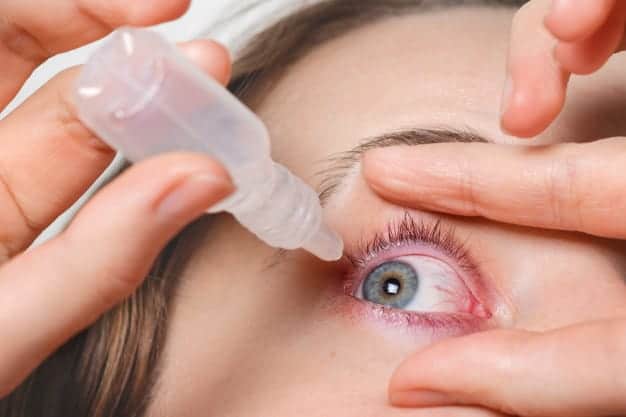
Dry eye occurs when your eyes don’t produce enough tears, or when the tears they do produce are of poor quality and can’t keep the eyes properly lubricated and nourished throughout the day. Tears are essential for protecting the outer surface of the eye and for maintaining clear, sharp vision. Dry eye can be a temporary issue, or it can become a chronic condition. When it’s chronic, that means you may struggle with symptoms for long periods of time. Symptoms may come and go, vary in intensity, improve at certain times, and worsen in specific environments or situations.
No one wants to spend the rest of their life dealing with burning, pain, and a constant sensation of “sand” or a foreign body in the eyes. That’s why it’s important to choose the right dry eye treatment for your specific case.
In some people, dryness is temporary and triggered by environmental factors, resolving once the trigger is removed—for example, exposure to dry air, spending long hours in a hot climate, or wearing contact lenses for extended periods. Chronic dry eye, on the other hand, is usually linked to eye allergies, eye diseases, or skin conditions affecting the eyelids and the area around the eyes. In general, the eyes become dry either because there are not enough tears being produced, or because the tears evaporate too quickly.
Fortunately, there are several ways to treat dry eye. Your eye specialist will help you choose the most appropriate option to reduce your dry eye symptoms.
Causes of Dry Eye
Tears keep the surface of the eye moist, wash away debris, and protect against infections. They also help clear out dust and foreign particles that may enter the eye. Dry eye develops when there is an imbalance between tear production, drainage, and evaporation—so the quantity or quality of the tears is not sufficient to maintain healthy eyes.
Certain factors make some people more likely to develop dry eye and more likely to need treatment, including:
Symptoms of Dry Eye
Before you visit a doctor to seek a solution and treatment for dry eye, you need to recognize the symptoms you may be experiencing, such as:
Dry Eye Treatment – What Options Are Available?
Dry eye symptoms can usually be managed and reduced, but at this time there is no complete cure for chronic dry eye. However, there is a wide range of promising research and newer technologies that offer better solutions for managing this condition.
Lubricating the Eyes with Artificial Tears, Gels, or Ointments
Artificial tears are considered the first-line treatment for dry eye and are often the best eye drops for symptom relief and lubrication. They help ease the discomfort but do not address the underlying cause. They are also not always sufficient in cases of severe dry eye.
Eye doctors often recommend using lubricating drops before symptoms start—such as before you feel burning—in order to maintain moisture. Preservative‑free formulations are usually preferred, especially for frequent use.
If artificial tears are no longer enough to keep the eyes comfortable, your doctor may prescribe lubricating gels or ointments. These are thicker than drops and stay on the eye surface for a longer time, providing extended relief. However, they can blur your vision temporarily, so they are usually applied at bedtime.
In general, you should avoid using “redness‑relief” drops for dry eye. These work by constricting blood vessels and can lead to irritation and potential damage to the eye surface if used long‑term.
Prescription Eye Drops for Dry Eye
If your dryness is due to inflammation of the cornea or eyelids, your doctor may prescribe medications that treat inflammation and modulate the immune response. Two prescription drops that have been approved by the U.S. Food and Drug Administration (FDA) for dry eye disease are:
– Cyclosporine eye drops
– Lifitegrast eye drops (brand name “Xiidra”)
These medications help inhibit inflammatory cells and improve signs and symptoms of dry eye disease.
When eyelid inflammation (blepharitis) is present, antibiotics may be prescribed, either as topical drops/ointments or oral medications. Inflammation can block the meibomian glands in the eyelids from releasing their oily secretions, causing the watery part of the tear film to evaporate too quickly. Antibiotic therapy can help restore healthy oil secretion, not just treat the infection itself.
In some cases where reduced tear production is the main issue, medications with cholinergic activity (tear‑stimulating agents) may be prescribed to increase natural tear secretion.
Ocular Inserts for Continuous Tear Supplementation
In severe dry eye, when drops alone are not sufficient, your doctor may recommend tiny inserts placed between the lower eyelid and the eyeball. These inserts are about the size of a small grain of rice and are placed once daily. They slowly release lubricating agents, such as hydroxypropyl cellulose or similar cellulose‑based materials used in many artificial tears, throughout the day. This helps maintain a stable, moist tear film on the eye surface for many hours.
Devices to Stimulate the Meibomian Glands in the Eyelids
This option is ideal when dry eye is mainly due to blockage of the meibomian glands, which are responsible for producing the oily layer of the tear film that slows down tear evaporation.
These in‑office devices (such as the LipiFlow system and similar technologies) apply controlled warmth and gentle pressure to the eyelids, usually over a treatment course that may extend up to 12 months depending on the protocol. The goal is to liquefy and clear out the blocked oils, clean the glands, and restore normal oil secretion.
If this treatment is appropriate for you, you may need sessions every couple of weeks at the beginning. Many patients report significant improvement or complete resolution of symptoms after completing the recommended course. In some cases, especially when gland blockage is related to a chronic systemic disease, periodic maintenance sessions may be needed.
Using Special Contact Lenses
Scleral lenses are a specific type of large‑diameter contact lens designed to maintain a fluid reservoir over the cornea and keep the eye surface continuously bathed in moisture. They are typically used for patients with moderate to severe chronic dry eye who have not responded adequately to medications and other conservative treatments.
These lenses vault over the cornea and rest on the white part of the eye (the sclera), trapping a layer of sterile fluid between the lens and the cornea, which provides constant hydration and protection.
Surgical Interventions
If all other options fail to provide sufficient relief in chronic dry eye, your doctor may suggest minor surgical procedures aimed at reducing tear drainage, so that tears stay longer on the eye surface and vision stays clear and comfortable.
One of the most common procedures is punctal occlusion—blocking the tear drainage openings (puncta) in the eyelids. This can be done temporarily by inserting tiny silicone plugs that can be easily removed, or permanently in more severe cases, depending on your condition and your doctor’s judgment.
To achieve the best results and get rid of the discomfort associated with dry eye, you will also need to make some lifestyle changes and follow certain self‑care tips that support eye health and reduce dryness, such as:
There are many factors that determine the most suitable treatment strategy for your dry eye. You may need to adjust your treatment plan over time or combine several approaches. Chronic medical conditions also influence how your dry eye is managed.

Most patients simply want relief from symptoms and to feel comfortable again. Work closely with your eye doctor and follow their recommendations so you can effectively control dry eye and improve your quality of life.
Schedule an appointment with us at the earliest opportunity and start enjoying clearer, more comfortable vision.