
Med info
Strabismus Surgery: What It Is and What You Need to Know

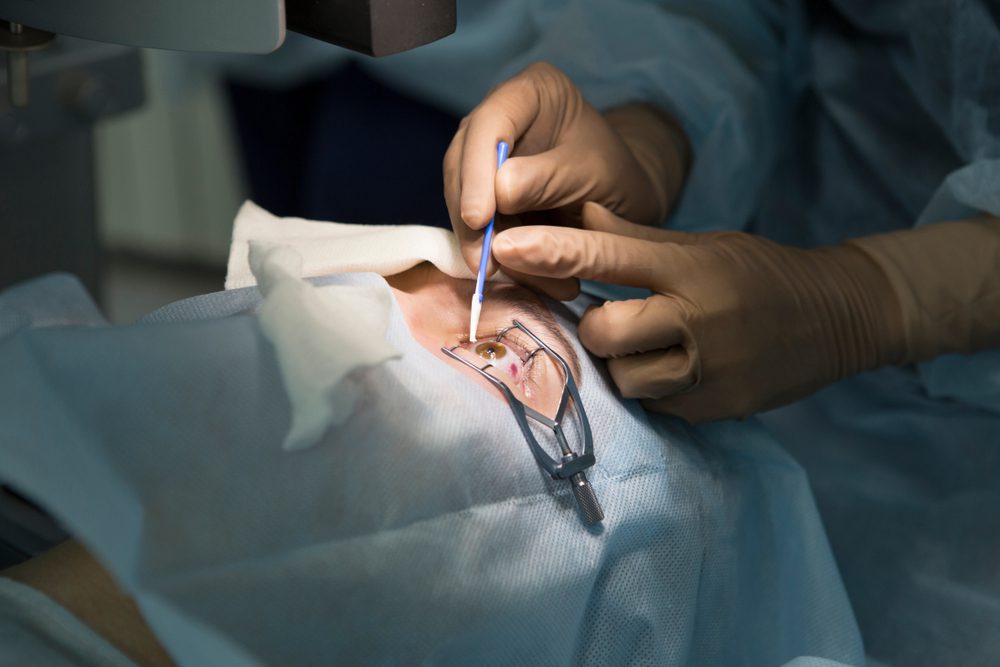
To understand how strabismus surgery is performed, it helps to know that there are six extraocular muscles that control each eye’s movements. These muscles must work in perfect coordination between both eyes so that vision is directed toward a single point and remains stable. When the eyes are misaligned, each eye sends a different image to the brain. This confuses the visual processing pathway and causes double vision. Over time, the brain may start to suppress the image coming from the deviated eye, which can lead to amblyopia (lazy eye), a condition that may become permanent and irreversible.
Eye deviation, or strabismus, is a medical condition in which the eyes do not move together in the same direction, losing alignment in both position and level of vision. Strabismus is more common in children, but adults can develop it as well. Strabismus surgery aims to control the position of the eyeball, align the visual axes, and direct them forward. Ophthalmologists recommend this procedure in moderate to severe cases where other treatments have failed.
When the eye muscles become too tight, they may pull one or both eyes inward (esotropia), outward (exotropia), or upward or downward, instead of straight ahead. Misalignment may also be caused by weakness in one or more of the six extraocular muscles, sometimes due to damage to the nerves that supply them, or following a stroke or head trauma. Fortunately, there are several surgical techniques that can correct and realign the eyes. How is strabismus surgery actually done? What are its benefits and risks? These and more details are explained below.
What Is Strabismus Surgery?
Mild eye misalignment is usually treated first with prescription glasses or contact lenses. When these options are no longer sufficient, surgery becomes necessary. In strabismus surgery, the ophthalmologist identifies the muscle or muscles responsible for the deviation and weakens them by reducing their pulling force. This is typically done by detaching the muscle from its original insertion and reattaching it further back on the eye using sutures (muscle recession).
If the deviation is mainly due to weakness of one muscle, the surgeon may instead weaken its opposing (antagonist) muscle in the other direction to restore balance (for example, by recession or partial cutting), creating more symmetrical overall movement. Some muscles can also be strengthened, particularly in cases of esotropia, by shortening the muscle or moving its insertion closer to the front of the eye on the side near the ear (muscle resection). This provides additional power and support and improves alignment. Laser can sometimes be used to assist in cutting the targeted eye muscle, but final positioning and suturing are still done manually.
This type of surgery is performed in a hospital or a specialized eye surgery center such as Batal Specialized Complex. It is usually done under general anesthesia. After the patient is fully asleep, the area around the eye is cleaned and sterilized, and the eyelids are gently held open to provide full control and visibility of the eyeball.
Key benefits of strabismus surgery include:
– Straightening the eyes and improving cosmetic appearance
– Enhancing binocular vision and depth perception when possible
– Reducing or eliminating double vision in many cases
– Improving eye contact, communication, and self-confidence
Proper preparation is essential to ensure that the patient is medically fit for the procedure. This includes all necessary eye measurements and general health checks. Strabismus surgery is usually classified as day surgery: the patient typically goes home the same day after waking up fully from anesthesia.
Is Adjustable Strabismus Surgery Right for You?
After repositioning the eye muscles, the surgeon secures them in their new location with sutures to fine-tune alignment. In an adjustable suture technique, these stitches can be loosened or tightened after surgery to optimize the final result. This approach is generally used in adults and tends to give better outcomes when strabismus develops later in life after a period of normal alignment. It may be performed in selected children but is usually reserved for more severe cases with a significant risk of amblyopia. Children younger than 10 years old often need further surgery as they grow.
The operated eye is usually covered for about 24 hours. The next day, the ophthalmologist examines eye alignment. Based on the findings, the surgeon may decide to slightly loosen or tighten the sutures. This is done under topical anesthesia using numbing eye drops. The adjustment can feel uncomfortable but is important to achieve the best possible straight-ahead alignment and stable vision. The sutures are not routinely removed; they remain in place permanently, and in many cases they are made of absorbable material that dissolves over time.
What Is the Success Rate of Strabismus Surgery?
Accurate measurements of the angle of deviation in both eyes are essential before surgery and must be repeated afterward to evaluate results. The ophthalmologist must be very precise, as the success rate of strabismus surgery generally ranges between 60% and 80%. This means that about 7 out of 10 patients experience a significant improvement in eye alignment, while approximately 3 out of 10 may not achieve full correction and may require additional procedures.
Although some people view strabismus surgery as cosmetic only, it is often medically important. Misaligned eyes can negatively affect communication, learning, and social interaction, and can lead to serious visual consequences, such as:
– Loss or reduction of stereopsis (the ability to perceive three-dimensional depth)
– Dependence on one eye only, if the brain suppresses input from the deviated eye
Full assessment of the outcome of strabismus surgery is usually made about one month after surgery in cases of esotropia and about six months in cases of exotropia. Once the eye muscles are repositioned and heal in their new location, they typically do not return to their previous insertion sites, even years after surgery, although some degree of drift or recurrence is still possible.
What Are the Risks of Strabismus Surgery?
Many patients experience some degree of temporary side effects after this type of eye surgery, such as redness, mild pain, or foreign-body sensation. However, serious complications are rare and are estimated to occur in only about 2–3 cases per 1,000 operations. Possible complications include, for example:
– Under-correction or over-correction of the deviation
– Persistent or new-onset double vision
– Infection or significant inflammation
– Scarring that affects eye movement
– Very rarely, damage to deeper eye structures or serious vision loss
Strabismus can sometimes be managed by non-surgical methods such as glasses, prisms, botulinum toxin (Botox) injections, or structured eye exercises and vision therapy to improve alignment. You should discuss all available options with your ophthalmologist and choose the most appropriate plan based on the type, severity, and stability of the strabismus.
How Should You Care for Your Eye After Surgery?
Your doctor will give you specific post-operative instructions before you go home. These usually include:
– Using prescribed eye drops or ointments to prevent infection and reduce inflammation
– Avoiding rubbing or pressing on the eye
– Keeping water, soap, and dust out of the eye for a specified period
– Limiting strenuous physical activities and contact sports until the doctor allows them
– Attending all scheduled follow-up visits to monitor healing and alignment
If you develop worsening pain, sudden vision changes, severe redness, or discharge, you should contact your eye doctor immediately.

If you have strabismus and are considering surgery to correct the problem and improve your appearance and vision, we recommend visiting our clinics to consult an ophthalmologist and openly discuss any concerns you have about the risks or recovery. Surgery is one of the treatment options available to you, but it may not be the best choice in every case or may be postponed or replaced by other methods. The only person qualified to evaluate your condition properly and recommend the most appropriate treatment is your eye specialist.
Book your appointment now.