
Med info
Eye Twitching: Everything You Need to Know About Eyelid Twitching


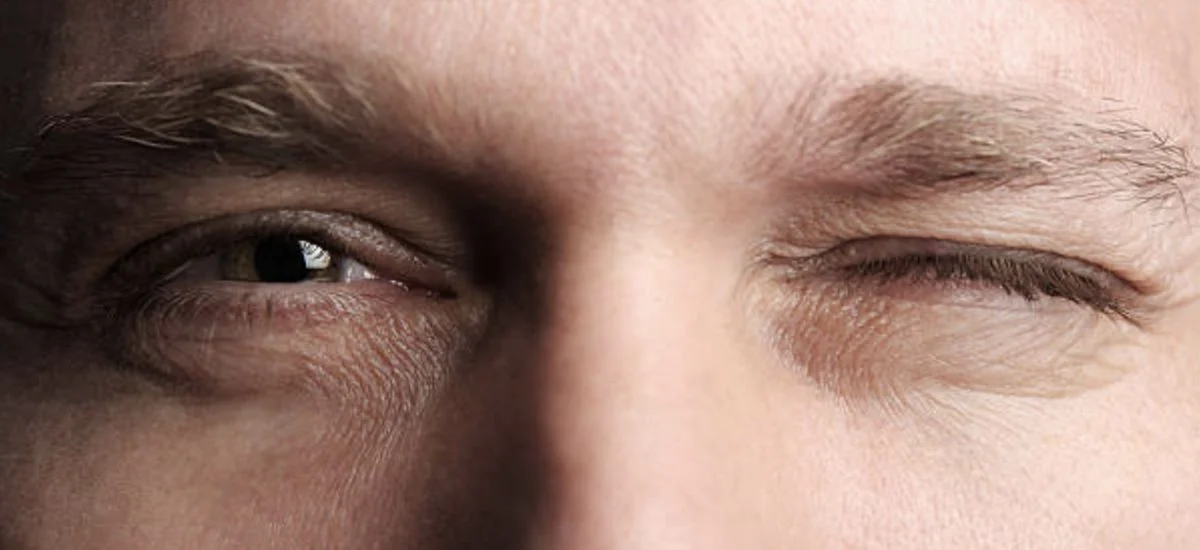
Eyelid twitching is an involuntary movement of the eyelid that is harmless and painless. It consists of a series of rapid, uncontrolled contractions or spasms of one or more of the four eyelids (right and left, upper and lower). In general, there is no real difference between the causes of twitching in the right eye and twitching in the left eye.
Eye twitching may occur along with other symptoms such as irritated or red eyelids and nose twitching. Known triggers include fatigue, stress, anxiety, excessive caffeine intake, or irritation caused by smoke, dust, or a foreign body in the eye. Allergies and infections can also cause irritation that leads to eyelid twitching.
In most cases, the twitch goes away on its own with rest or after removing the irritating factor. If you have persistent eyelid twitching, contact an ophthalmologist (eye doctor) to determine the underlying cause and get appropriate treatment.
Eye twitching is not usually an emergency unless it is associated with a stroke. Stroke symptoms can include facial or limb weakness, especially on one side of the body; sudden confusion; trouble seeing or sudden changes in vision; or a sudden, severe headache. Seek emergency medical care right away if your eyelid twitching continues for several days and does not resolve within a week, if the twitching forces your eye completely closed or involves other parts of your face, if you develop facial paralysis or partial facial weakness, if your upper eyelid droops, or if you notice discharge, redness, and swelling in or around the eye.
What Other Symptoms Can Occur With Eye Twitching?
Eye twitching can appear together with other symptoms. Symptoms that affect the eye often involve other body systems as well, including:
[هنا توضع قائمة الأعراض التفصيلية إذا كانت متوفرة في النص الأصلي]
Neurological Symptoms That Occur With Twitching
Eye twitching can also be associated with neurological symptoms such as:
[هنا توضع قائمة الأعراض العصبية التفصيلية إذا كانت متوفرة في النص الأصلي]
If you experience serious, potentially life‑threatening symptoms, you should seek emergency medical care immediately, especially if you develop any of the following red‑flag symptoms:
[هنا توضع قائمة الأعراض المهددة للحياة إذا كانت متوفرة في النص الأصلي]
What Are the Types of Eye Twitching?
Involuntary eyelid spasms generally fall into one of three different categories, which range from mild to severe and have different treatment approaches:
[هنا توضع أنواع رفة العين الثلاثة إذا كانت متوفرة في النص الأصلي]
The Most Common Causes of Right or Left Eye Twitching
Eye twitching is often caused by mild, temporary conditions, including:
[هنا توضع قائمة الأسباب البسيطة إذا كانت متوفرة في النص الأصلي]
Eye twitching can also be triggered by other eye conditions, such as:
[هنا توضع الحالات العينية الأخرى إذا كانت متوفرة في النص الأصلي]
Neurological Causes of Eye Twitching
Persistent eyelid twitching, or twitching that actually forces the eyelid to close completely, can be a sign of a neurological disorder, including:
[هنا توضع قائمة الاضطرابات العصبية إذا كانت متوفرة في النص الأصلي]
How Does Stress Cause Eye Twitching?
Stress is one of the most common causes of temporary eyelid twitching. Doctors often recommend reducing stress and anxiety as a key way to manage eye twitching. If your stress is related to work, long hours on a computer or smartphone may dry out your eyes and trigger twitching. Look for ways to relax, improve your sleep quality, and cut back on stimulants such as caffeine.
Why Do Pregnant Women Experience Eye Twitching?
Some pregnant women notice eye twitching among the many symptoms of pregnancy. As with other patients, this is usually due to stress, fatigue, or exhaustion. Pregnancy is a physically and emotionally demanding time, and sleep often becomes more difficult in the third trimester. In most cases, eyelid twitching is not a cause for concern during pregnancy and can be managed by lowering stress levels and trying to get more rest.
However, if you develop weakness or paralysis around the eye, this can point to a more serious condition known as Bell’s palsy. Although the exact cause of Bell’s palsy is unknown, pregnant women are at higher risk of developing it. Symptoms include an inability to control facial muscles, loss of sensation, and an inability to close the eye on the affected side of the face. Bell’s palsy usually improves over time, but if you develop facial paralysis (during pregnancy or otherwise), contact your doctor immediately to rule out more serious neurological conditions.
How Is Eye Twitching Treated?
The most effective treatment for eye twitching is reducing stress and anxiety. Getting enough sleep helps prevent fatigue in the muscles around the eye. To manage eyelid twitching and relieve symptoms, doctors typically recommend:
[هنا توضع قائمة طرق العلاج التفصيلية إذا كانت متوفرة في النص الأصلي]
Some prescription medications can also cause eyelid twitching. If you are taking one or more prescription drugs and start to experience eye twitching, talk to your doctor or pharmacist about whether your medication might be responsible, and discuss possible alternative treatments if needed.
For severe spasms caused by nerve damage or compression, surgery may be necessary to treat the underlying condition. To diagnose your problem, your doctor will ask you several questions about your eye twitching, including:
[هنا توضع الأسئلة التشخيصية إذا كانت متوفرة في النص الأصلي]
Your doctor can then advise you on different treatment options if required.
What Are the Possible Complications of Eye Twitching?
Once the underlying cause of eye twitching has been identified, it is important to follow the treatment plan to reduce the risk of potential complications, which may include:
[هنا توضع قائمة المضاعفات المحتملة إذا كانت متوفرة في النص الأصلي]

If you have any of these symptoms in addition to eye twitching, talk to your doctor. They will work to address any underlying conditions, review your individual risk factors, find an effective treatment, and help prevent further complications.