Med info
Understanding Normal Eyesight and What the Normal Vision Measurements Mean

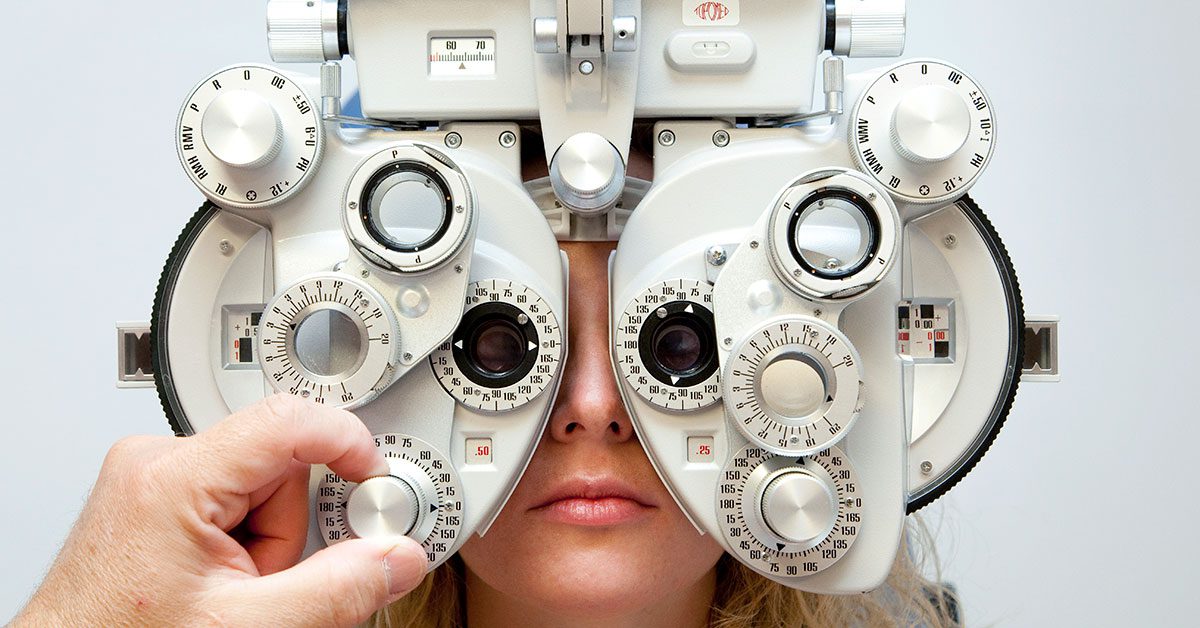
Have you ever looked into what “normal vision” really means on an eye exam? Keep reading this article to get the most out of the information about normal visual acuity measurements.
In general, having 20/20 vision means a person can read a specific line of letters on a standard eye chart from a distance of 20 feet. In many countries, 20/20 is widely considered “normal” eyesight in terms of clarity alone. A person who has 20/20 vision is usually able to handle most, if not all, basic daily tasks that depend on good vision.
The most common reason for reduced visual acuity is a **refractive error**—in other words, the way light is bent (refracted) as it enters the eyeball. Causes of refractive errors include:
– Decreased flexibility of the lens with age (presbyopia)
– Irregular eye shape (myopia/nearsightedness and hyperopia/farsightedness)
– Abnormal curvature of the cornea (astigmatism)
If you feel your vision isn’t as sharp as it used to be, or if you are over 40, you should see an eye doctor (ophthalmologist or optometrist) to have your eyes examined, check your visual acuity, and find out where you stand compared to normal vision. Many age‑related eye problems start to appear in your 40s, so it’s best to be prepared. Certain diseases, such as diabetes, can also lead to serious vision problems.
What Is Visual Acuity?
Normal Vision Measurements: Is There Anything Better Than 20/20?
It’s easy to assume that 20/20 vision is the best you can have, but that’s not actually true.
20/20 simply means your vision is considered **“normal”** for distance and that you have what’s commonly referred to as normal visual acuity. Some people, especially after proper optical correction (with glasses or contact lenses), can achieve better than 20/20 vision, such as:
– 20/15
– 20/10
These numbers indicate that your distance vision is sharper than average.
(Recommended reading: Types of Vision Correction Surgery | Learn About the Most Important Options Available)
How Is Normal Vision Measured?
Visual acuity is most commonly measured using a **Snellen eye chart**. These charts are used to assess how clearly you can see at a distance, which is where the term “20/20 vision” comes from. Measurement is done as follows:
– You stand or sit at a fixed distance from the chart (often 20 feet or 6 meters).
– You are asked to read lines of letters that get progressively smaller.
– The smallest line you can read accurately determines your visual acuity, expressed as a fraction such as 20/20, 20/40, or 20/15.
The top number (20) represents the testing distance (20 feet), and the bottom number represents the distance at which a person with normal vision would be able to read the same line. For example, if your vision is 20/40, it means you can see at 20 feet what a person with normal vision can see at 40 feet.

(Read also: How Can Nearsightedness Be Treated and What Are the Latest Available Techniques?)
Types of Eye Charts Used to Determine Normal Vision Measurements
There are several types of eye charts that eye care professionals can use. The most commonly used is the **Snellen eye chart**, which you often see in clinics and in eye‑related posters or advertisements.
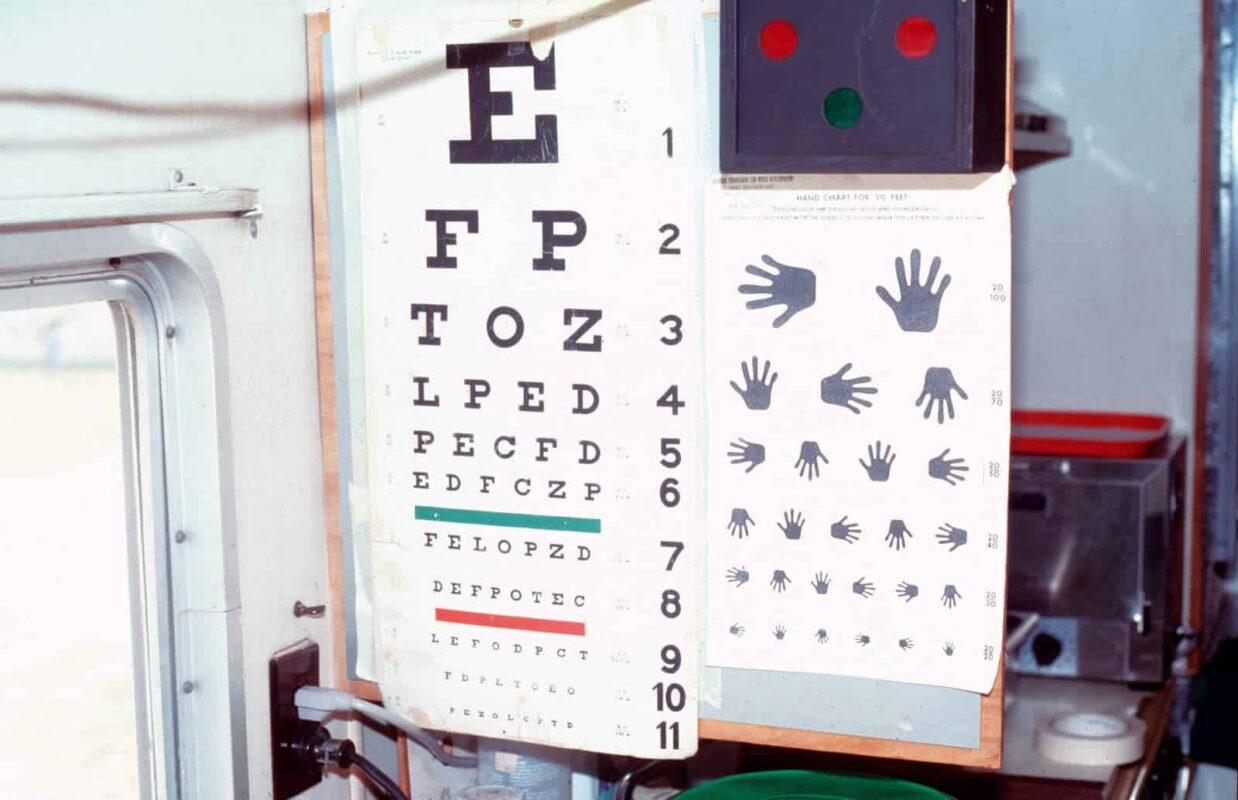
– The top line usually has a single large letter “E”.
– Below it are rows of letters that become smaller line by line.
This chart was developed by the Dutch ophthalmologist **Dr. Herman Snellen** in 1862, to meet the need for a more standardized way to measure visual acuity. Since then, it has become the classic tool for assessing distance vision in clinics around the world.
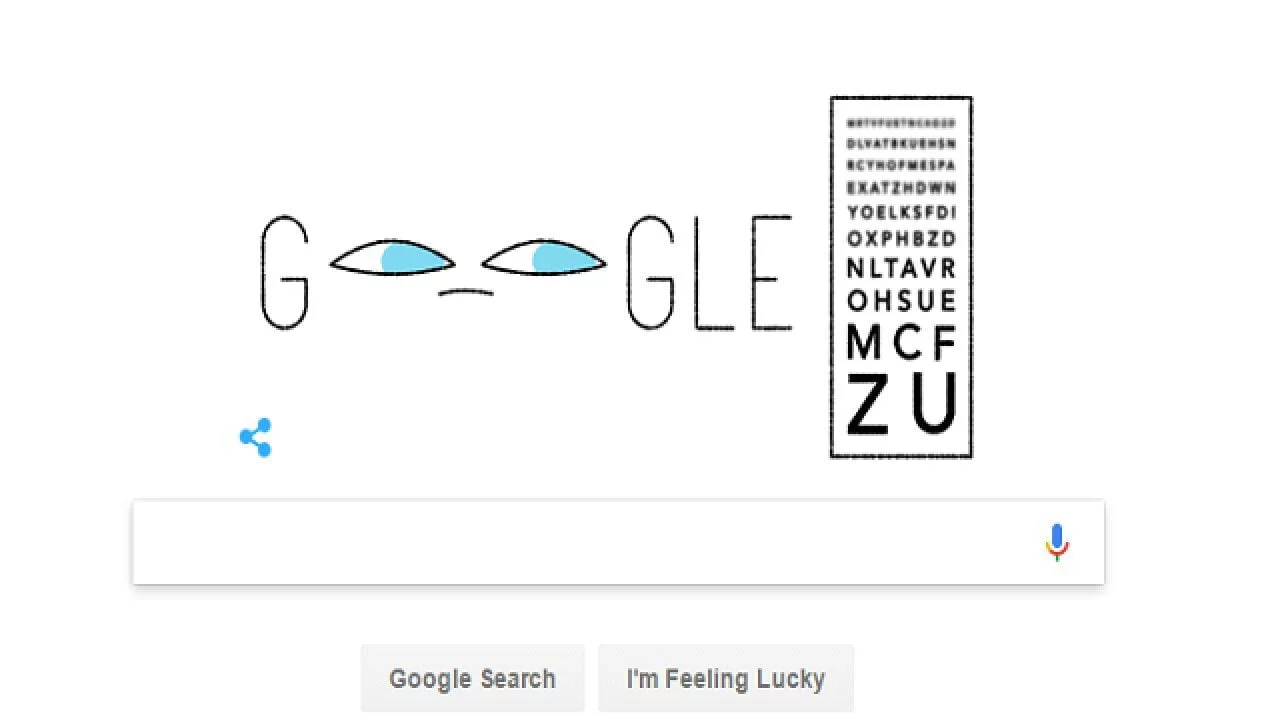
Caring about your family’s eye health means committing to regular check‑ups with an eye doctor, taking vision health seriously, and following professional advice and instructions. To enjoy strong, problem‑free vision, visit our clinics and benefit from the best specialized eye care centers in Jeddah.