
Med info
Eye Pressure | Causes, Symptoms, Treatment Methods, and the Best Eye Drops

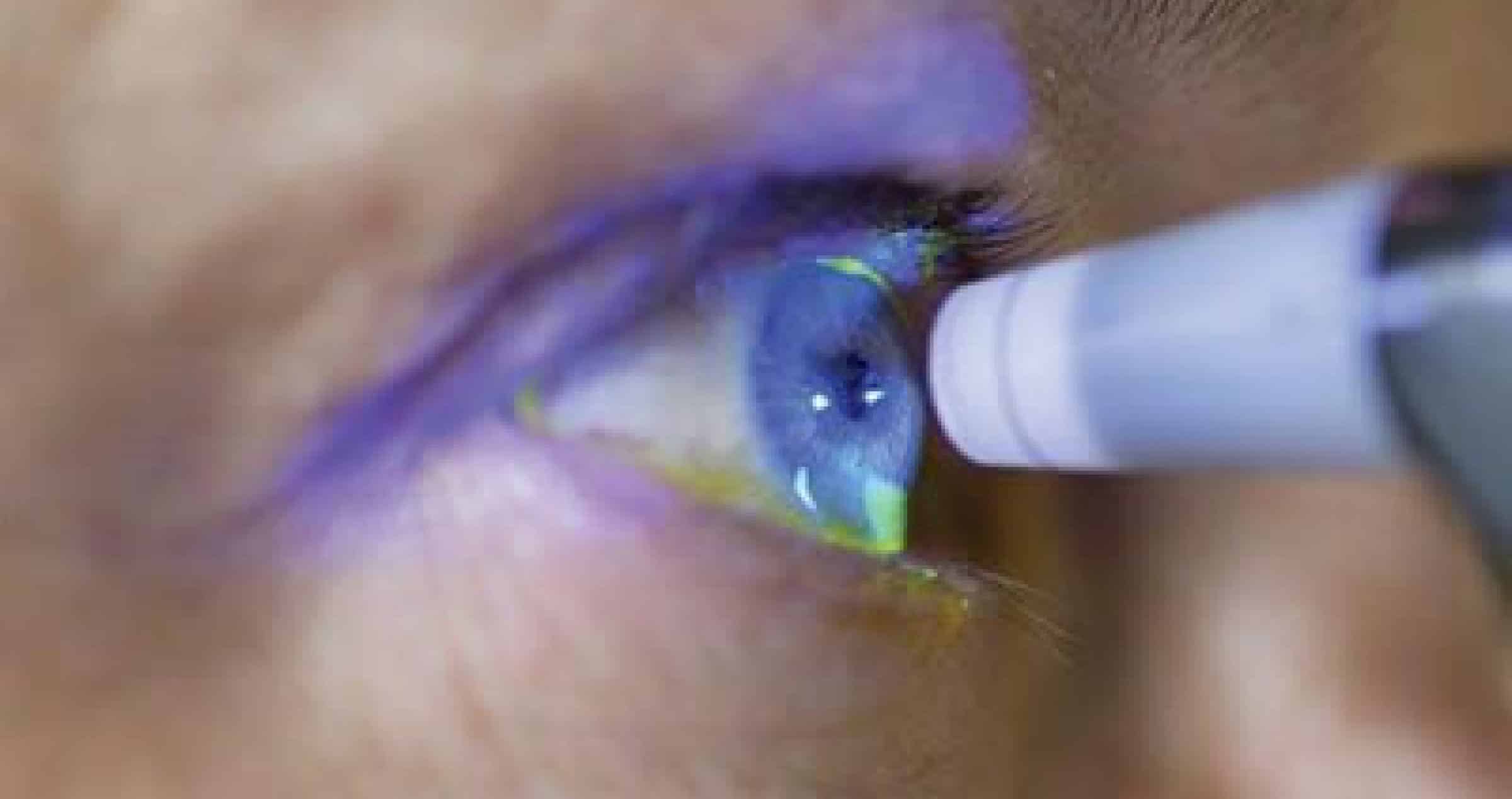
The term “eye pressure” refers to the pressure of the fluid inside the eye, known as the aqueous humor. Regular measurement of intraocular pressure (IOP) is essential for eye health and is used as a key parameter in diagnosing eye diseases. IOP is the measurement of the pressure exerted by the fluid inside the eye, which can help diagnose existing eye disorders and provides important insights into overall eye health. Aqueous humor constantly drains out of the eye and is replaced by new fluid as needed, creating a balance that regulates eye pressure.
IOP is not a fixed number; it fluctuates from one person to another. It is not possible to compare your IOP directly with someone else’s. Routine eye exams are crucial for maintaining healthy vision and should include a comprehensive eye exam with tonometry, the diagnostic test used to measure IOP. Some individual variation is normal, but significant changes can also signal a progressive eye disease. Abnormally high or low intraocular pressure may indicate a serious eye problem.
High intraocular pressure can be an early warning sign of progressive glaucoma and possible blindness. Abnormally low pressure can be associated with progressive retinal detachment. In addition, a difference in eye pressure between the two eyes can be a sign of uveitis (inflammation of the uveal tract) or retinal detachment.
How Is Eye Pressure Measured?
Eye pressure is usually measured during routine or emergency eye examinations as follows:
The most widely used test is called tonometry, and Goldmann applanation tonometry has long been considered the gold standard for measuring intraocular pressure. In this test, a small device gently presses against the surface of the eye. Other methods include non-contact (air-puff) tonometry, which is generally considered less accurate. In this test, a brief puff of air is applied to the eye using a device that slightly flattens the cornea. A healthy IOP range is typically between 10 and 21 mmHg. Pressure above or below this range can cause visual changes.
More recently, the U.S. Food and Drug Administration (FDA) has approved the Diaton tonometer to measure IOP through the eyelid. Diaton is a pen-like device with a stainless-steel tip that allows the clinician to touch the eyelid in the area above the cornea. This device is especially important for patients who cannot open their eyes or who have had prior eye surgery.
Eye Pressure and Glaucoma
Glaucoma is a group of chronic, progressive eye diseases that can cause vision loss and blindness by damaging the optic nerve at the back of the eye. It is a leading cause of blindness in people over the age of 60. It is estimated that more than 3 million people are affected by glaucoma, with over 120,000 cases of blindness attributed to it.
There are three main types of glaucoma, including:
(Types are typically open-angle glaucoma, angle-closure glaucoma, and normal-tension glaucoma, though the text does not list them explicitly.)
While there is no single, definitive cause of glaucoma, there is a strong association between elevated eye pressure and glaucoma. Over time, increased intraocular pressure can cause the retinal nerve fibers to die, leading to reduced vision or permanent vision loss and blindness if glaucoma is left untreated. Unfortunately, there is currently no way to prevent glaucoma entirely or cure it. However, prescription eye drops and other treatments can lower eye pressure and slow the progression of the disease.
Treatment of Eye Pressure
Both medical and non-medical options are available to help lower eye pressure. All treatment options should be determined by an ophthalmologist after a comprehensive eye exam and review of your medical history. Medications used to lower intraocular pressure can have side effects and may interact with other drugs. For this reason, it is important to take all medications exactly as prescribed and to discuss all current medications, vitamins, and supplements with your eye doctor.
The most commonly used medications to lower eye pressure are:
(These typically include prostaglandin analogs, beta-blockers, alpha agonists, carbonic anhydrase inhibitors, and combination drops, which are detailed below.)
If eye drops are not effective enough, the ophthalmologist may prescribe oral medications that lower eye pressure by reducing the amount of fluid produced in the eye. These drugs are usually carbonic anhydrase inhibitors, such as acetazolamide and methazolamide. Glaucoma surgery is also a common option for such patients. Surgical procedures can help reduce IOP, although they do not guarantee it will never rise again.
Eye surgery is not a decision to be taken lightly; it should be considered only after careful evaluation and an open discussion with a qualified eye surgeon. Non-pharmacologic (non-drug) options alone will not lower eye pressure sufficiently, but they may serve as complementary approaches. Currently, these complementary options are not FDA-approved as primary treatments for ocular hypertension and should only be used after consulting your ophthalmologist. They must not replace prescribed medical therapies. Such options may include certain lifestyle changes, nutritional support, or alternative therapies, always under medical supervision.
See also: Glaucoma (Ocular Hypertension) | Symptoms, Causes, and Treatment Methods
The Best Eye Drops for Glaucoma
Glaucoma is among the most common eye problems in adults. Primary open-angle glaucoma is particularly widespread. In contrast, acute angle-closure glaucoma typically presents with a sudden change in vision, often in one eye or in the peripheral field, and progresses much more rapidly. Eye drops are the most widely used treatment option among glaucoma medications.
Glaucoma Eye Drops and Their Active Ingredients
Xalatan (Latanoprost)
Xalatan is a prostaglandin analog eye drop that helps control intraocular pressure. Prostaglandin analogs increase the outflow of aqueous humor from the eye, thereby lowering eye pressure. Xalatan is also known to be more effective and better tolerated than some of its generic counterparts in many patients.
Timolol
Beta-blockers such as timolol are among the most widely used glaucoma eye drops. These drops reduce the overall production of aqueous humor in the eye, which helps prevent and lower elevated eye pressure. Timolol is available in preservative-free formulations, which can be beneficial for patients with sensitive eyes or those requiring long-term therapy.
Alphagan-P (Brimonidine)
Alphagan-P is often considered an excellent option for glaucoma patients who are sensitive to preservatives. It reduces aqueous humor production while at the same time increasing uveoscleral outflow. Alphagan-P is particularly suitable for patients with open-angle glaucoma or ocular hypertension.
Trusopt (Dorzolamide)
Trusopt is a carbonic anhydrase inhibitor (CAI) due to its active ingredient dorzolamide. It works by reducing the production of aqueous humor, significantly lowering intraocular pressure. Trusopt eye drops are available in preservative-free single-dose containers or in multi-dose bottles. Trusopt is also popular because many patients experience relatively few side effects compared with some other medications.
Propine (Dipivefrin) – Allergan
Propine is an epinephrine prodrug that has been approved by the FDA. Epinephrine-based medications increase the outflow of aqueous humor from the eye while also reducing its production to some extent. This dual mechanism helps in lowering intraocular pressure in certain glaucoma patients.
Cosopt (Dorzolamide/Timolol)
Cosopt is a combination glaucoma eye drop that contains two active medications: dorzolamide, a carbonic anhydrase inhibitor (CAI), and timolol, a beta-blocker. Dorzolamide reduces fluid production, while timolol further decreases intraocular pressure by reducing aqueous humor formation. Cosopt is also available in preservative-free formulations, which can be advantageous for patients who are sensitive to preservatives.
Combigan (Brimonidine/Timolol)
Combigan is another combination medication used in glaucoma treatment. It combines timolol, a beta-blocker, with brimonidine, an alpha-2 adrenergic agonist. Combigan is usually supplied in a bottle designed for about 90 days of use. It is generally well tolerated and is considered to have relatively few side effects in many patients.
Glaucoma eye drops are typically categorized based on their active ingredients, including alpha agonists, prostaglandin analogs, beta-blockers, carbonic anhydrase inhibitors (CAIs), and epinephrine-based agents.
Read also:
– My Experience with Glaucoma and the Best Eye Drops for Treatment

– Eye Headache | Everything You Need to Know About Causes, Symptoms, Treatment, and Prevention Methods