
Med info
Causes of Eye Twitching and People’s Experiences With It


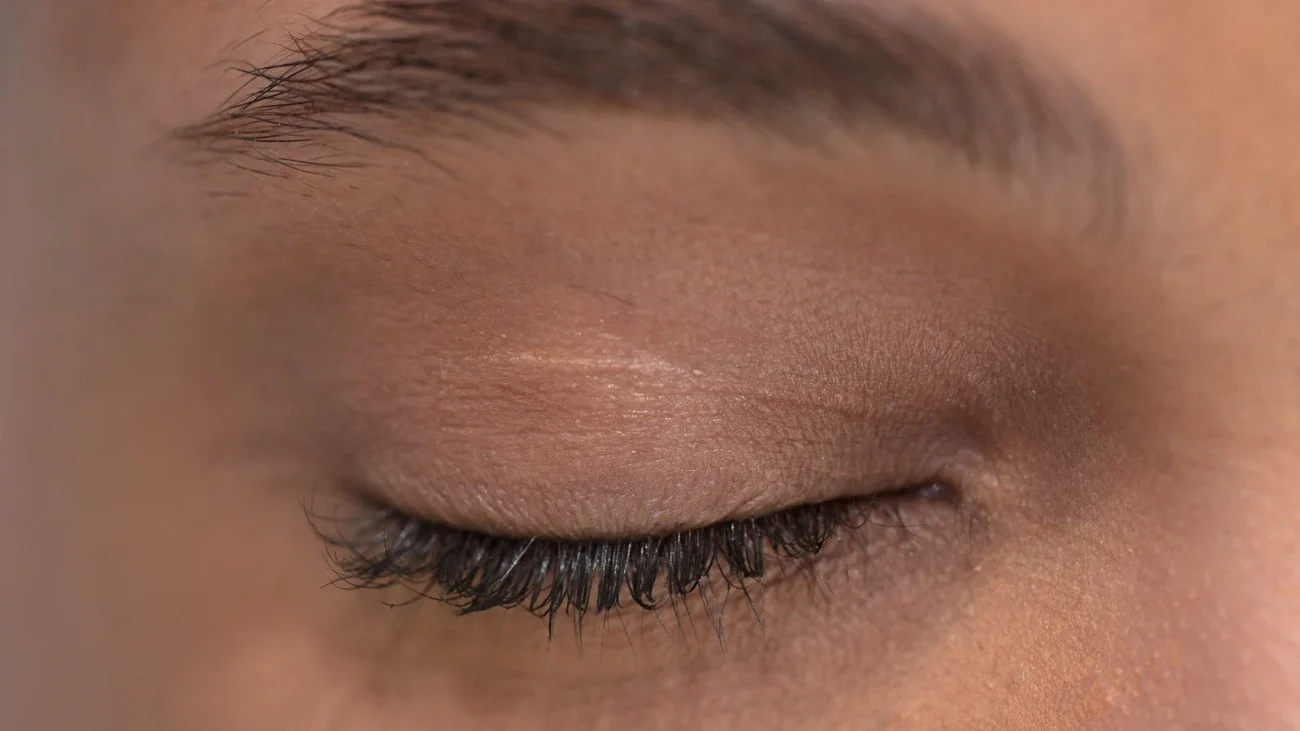
Eye twitching is a repeated, involuntary spasm of the eyelid muscles (the primary cause of eyelid twitching). It usually affects the upper eyelid, but it can involve both the upper and lower lids. Most people experience these spasms as very mild, brief twitches. However, there is a different condition called blepharospasm, where the spasms occur many times and may last for a minute or two at a time, and in these episodes the person may feel unable to keep their eyes open.
Eye twitching episodes are unpredictable. They may come and go over several days, then stop completely for weeks or even months. These spasms are painless and generally harmless, but they can be annoying. In very few cases, eyelid spasms can be a sign of an underlying chronic movement disorder, especially if the twitching occurs together with other muscle spasms or uncontrollable movements.
Also read: Eye Pressure | Causes, Symptoms, Treatment Options, and the Best Eye Drops for It
What Is Eye Twitching?
The medical term for simple eyelid twitching is “ocular myokymia.” These are involuntary contractions that you cannot control. Most episodes last only a few minutes, but sometimes they can continue for several days or longer. When your eyelid twitches, you may feel as if everyone around you can see it, but in reality most eyelid twitches are very subtle and not easily noticeable to others.
Causes of Eye Twitching
Eyelid twitching can start or get worse due to several triggers, including:
– Eye strain
– General physical fatigue
– Stress and anxiety
– Excess caffeine intake
– Lack of sleep
– Dry eyes
– Irritation of the eye surface or eyelids
If the spasms become persistent and chronic, you may have a condition called “blepharospasm.” This is a long‑term, involuntary movement disorder that typically affects both eyes. The exact cause is not fully understood, but certain factors can make the spasms more severe, such as:
– Bright light or glare
– Stress and emotional tension
– Fatigue and lack of sleep
– Eye surface irritation
Sometimes environmental and weather conditions can irritate the eyes, leading to twitching. Examples include dust in the air, wind, sandstorms, air pollution, strong sunlight, and bright artificial lights.
Blepharospasm is more common in women than in men, and it tends to worsen over time. In advanced cases, it may lead to:
– Difficulty keeping the eyes open
– Functional blindness (not from loss of vision itself, but because the lids keep closing)
– Trouble with daily tasks such as reading, driving, or using a computer
Complications of Eyelid Spasms
In very rare situations, eye twitching can be a sign of a brain or nervous system disorder. When eyelid spasms are due to a more serious underlying condition, they are usually accompanied by other symptoms. If you suspect that there is an internal eye problem or a neurological issue causing your twitching, see an ophthalmologist immediately.
When Should You See an Eye Doctor?
You should see an eye doctor right away if:
– The eyelid twitching becomes constant or lasts for a long period
– You notice sudden changes in the appearance or movement of one side of your face, including your eyelids
– Your eyelids are clamping shut so tightly that you cannot keep your eyes open
These can be warning signs of a serious condition in some cases.
If you feel something is wrong with your eyes, it is best to visit an ophthalmologist to have a complete eye examination and make sure your eye health and vision are stable. Book your appointment now.
If the twitching does not improve or go away on its own, this may indicate a specific problem in the nervous system that is affecting the eyelids. If you experience these symptoms, you should consult an eye specialist immediately. You may also need to see an ophthalmologist if you have chronic eyelid twitching along with any of the following:
– Red, swollen, or irritated eyes
– Discharge from the eye
– Drooping of the upper eyelid
– Twitching that involves other parts of the face
– Difficulty opening the eye
Also read: Glaucoma (Blue Water in the Eye) | Symptoms, Causes, and Treatment Options
How Is Eye Twitching Treated?
Twitching of the left or right eye usually goes away on its own within a few days to a few weeks, without any treatment. If it does not disappear, you can try addressing the possible causes. Eye strain, general fatigue, and high caffeine intake are among the most common triggers.
To help reduce eye twitching, you can try:
– Getting enough restful sleep each night
– Cutting down on caffeinated drinks such as coffee, tea, and energy drinks
– Reducing stress with relaxation techniques
– Using lubricating eye drops if you have dry eyes
– Taking breaks from screens and close‑up work
In more severe or persistent cases, your doctor may consider:
– Botulinum toxin (Botox) injections into the eyelid muscles to relax them
– Treating underlying eye surface problems such as dry eye or blepharitis
– Adjusting medications that may be contributing to the twitching
Your doctor may recommend surgery to remove small portions of the muscles and nerves of the eyelids (myectomy) in very severe cases. This procedure is usually reserved for advanced blepharospasm that has not responded to other treatments.
Home Remedies for Eye Twitching
Stress
Stress is one of the most common causes of eye twitching. Techniques such as yoga, breathing exercises, and simply making time to relax can help reduce stress levels and lessen twitching episodes.
Fatigue
Lack of sleep—whether due to stress or other reasons—can trigger eyelid twitching. Sticking to a regular sleep schedule and ensuring you get enough hours of quality sleep often helps reduce symptoms.
Eye Strain
Digital eye strain from excessive use of smartphones, tablets, and computers is also a frequent cause of eyelid twitching. Follow the 20‑20‑20 rule when using screens: every 20 minutes, look away from the screen and focus on something at least 20 feet away for 20 seconds or more.
Also read: Understanding Normal Vision Measurements and What “Normal” Eye Power Means
Caffeine
High caffeine intake can provoke or worsen eye twitching. Try to cut back on coffee, tea, cola, and energy drinks to see if your symptoms improve.
Dry Eyes
People who spend long hours on computers, take certain antidepressants or antihistamines, wear contact lenses frequently, or drink a lot of caffeine or alcohol are more likely to develop chronic dry eye. If you often feel dryness, burning, or a gritty sensation in your eyes followed by eye twitching, you should see an ophthalmologist for further evaluation and treatment, such as artificial tears or other dry eye therapies.
Nutritional Problems
Some reports suggest that a deficiency in certain nutrients, such as magnesium, may contribute to eyelid twitching. Your regular diet may not always provide all the nutrients needed for optimal eye health. In such cases, your doctor may recommend dietary changes or prescribe supplements to support eye function and help prevent future problems.
Allergies
If you have eye allergies and tend to rub your eyes, this can release histamine into the tissues, conjunctiva, and eyelids, which may trigger or worsen eye twitching. It is best to consult your eye doctor for safe allergy treatments, such as antihistamine eye drops, and to avoid rubbing your eyes to prevent further irritation or damage.

Eye twitching is a common condition that many people experience repeatedly. If you are one of them, you can book an appointment with the specialists at Al Batal Specialized Medical Complex to receive comprehensive eye care from some of the best ophthalmologists in Jeddah.
Also read: Eye Headache | Causes, Symptoms, Treatment, and How to Prevent It