
Med info
Color Blindness Test: Everything You Need to Know

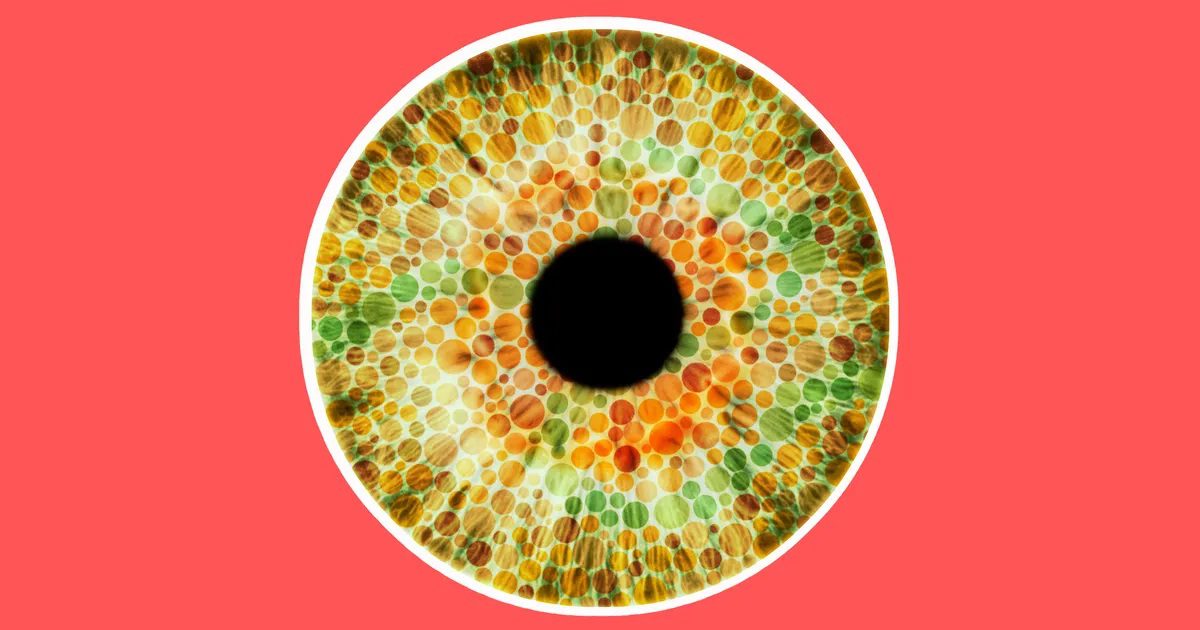
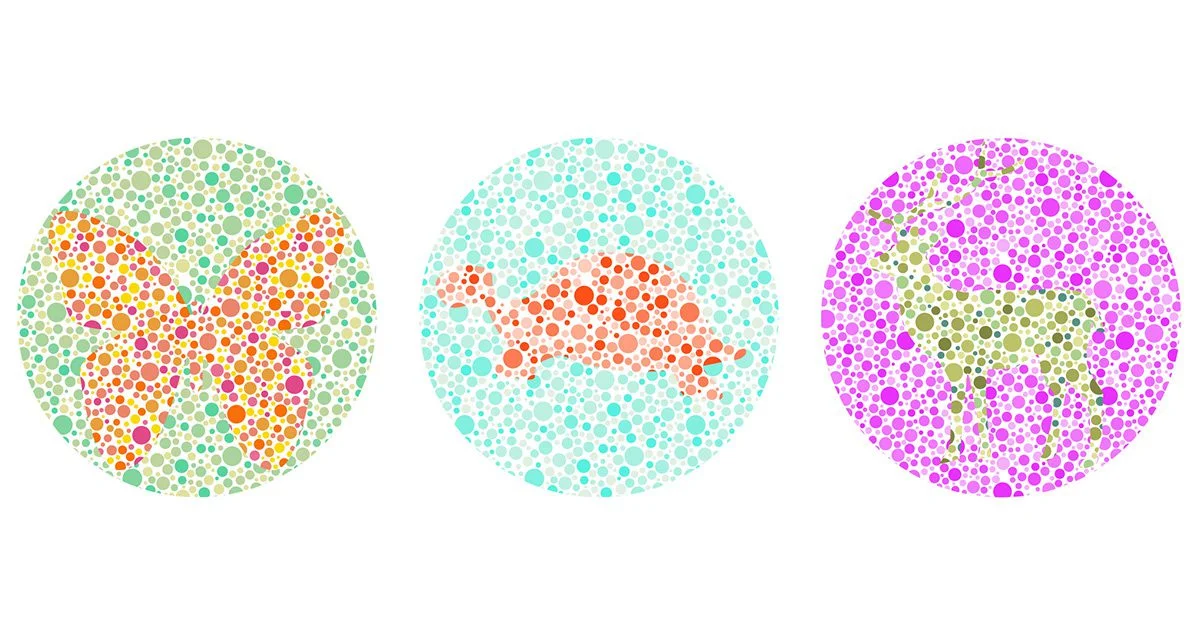
The color blindness test, also known as the Ishihara color test, measures your ability to distinguish between different colors. It is based on showing a series of images, where each image contains a number, symbol, or shape made up of colored dots that differ in shade from the surrounding background. This helps determine the degree of color vision deficiency a person may have.
If you do not pass this test, you may have reduced color vision or some form of color blindness, although complete color blindness is very rare.
In other words:
Color blindness is a condition in which a person perceives colors differently from someone with normal vision. It can mean that you are unable to clearly see the full range of colors, or that it is difficult to tell certain colors apart. It may be inherited, or it may result from damage to the eye, the optic nerve, or the brain.
This is linked to how the human eye captures light and converts it into images in the brain. All of this takes place in a part of the eye called the retina.
The human retina is a layer made up of a complex network of light-sensitive cells known as rods and cones. Rods are responsible for sensitivity to light and allow us to see in shades of gray, while cones are responsible for color vision.
The term “color blindness” is somewhat inaccurate, because it does not necessarily mean that a person sees the world only in black and white.
Read also: Nystagmus: Causes, Symptoms, Treatment, and Everything You Need to Know
Different Classifications of Color Blindness
Contrary to popular belief, color blindness does not always mean a person is completely unable to see color. In fact, there are several different types of color blindness, each affecting the ability to distinguish and differentiate colors to varying degrees.
Red-Green Color Blindness
This is the most common type of color blindness. It makes it difficult to tell the difference between red and green.
There are four types of red-green color blindness, and they affect how people perceive combinations of red and green.
Blue-Yellow Color Blindness
This type is less common. It makes it hard to distinguish between blue and green, and between yellow and red.
There are two subtypes within this group.
Complete Color Blindness
The rarest type of color blindness is complete color blindness, in which a person is unable to perceive any colors at all.
This is also known as achromatopsia or monochromacy. People with this condition are usually very sensitive to light and often have difficulty seeing clearly.
Read also: Amblyopia Treatment in Adults: Types, Causes, Symptoms of Lazy Eye
What Are the Different Types of Color Vision Tests?
There are several types of tests used to evaluate color vision, including:
– Screening tests such as the Ishihara color plates
– More detailed tests that measure the exact degree of color vision deficiency and how well you can distinguish between different color shades
(Your eye doctor chooses the test based on your situation and the level of detail needed.)
Causes of Color Blindness
The most common form of color blindness is the inability to distinguish between shades of red and green. Reduced color vision or color blindness can be caused by:
– Inherited changes in the cone cells (color-sensitive photoreceptors) in the retina
– Diseases that affect the optic nerve, such as glaucoma
– Conditions that damage the retina, the light-sensitive layer lining the back of the eye
Certain eye and systemic diseases can cause color vision deficiency, including (examples):
– Glaucoma
– Age-related macular degeneration (AMD)
– Diabetic retinopathy
– Optic neuritis and other optic nerve diseases
Color vision may improve if the underlying condition is diagnosed and treated.
Symptoms of Color Blindness
Color blindness is not a painful condition and generally should not prevent you from living a normal life.
However, some people with color blindness experience practical difficulties, such as:
– Not noticing when their skin is sunburned
– Not being able to tell whether a banana is ripe enough to eat
– Difficulty matching clothes or reading color-coded charts, maps, or warning signs
How Do You Prepare for a Color Blindness Test?
If you wear glasses or contact lenses, you should keep them on during the test.
Your eye doctor will ask:
– Whether you take any medications or supplements
– Whether you have any medical conditions
– Whether anyone in your family has color vision problems
This information helps determine whether your color vision issue is inherited or acquired.
What Happens During a Color Vision Test?
An eye doctor (ophthalmologist or optometrist) usually performs the test. You will sit in a well-lit room and cover one eye. Using your uncovered eye, you will look at a series of test plates (cards).
Each plate is made up of colored dots forming a number or symbol. If you can identify the number or symbol, you say it aloud to the doctor.
If you have normal color vision, the numbers, shapes, and symbols should stand out clearly from the background dots. If you have color vision deficiency, you may not see the symbols at all, or you may find it hard to distinguish them.
After testing one eye, you cover the other and repeat the test with the second eye. The doctor may also ask you to compare the intensity of a particular color between your two eyes.
It is possible to have a normal result on standard color tests and still have a subtle reduction in color intensity in one eye.
What Do the Results Mean?
The color vision test can help detect many types of color vision problems, including:
– Red-green color blindness
– Blue-yellow color blindness
– More rare or complex color vision deficiencies
There is currently no treatment that directly cures inherited color blindness. However, if your color vision problem is caused by a disease such as diabetes or glaucoma, treating the underlying condition may improve your color vision.
Deuteranopia: How to Tell If You Have Red-Green Color Blindness
Red-green color blindness is the most common type of color vision deficiency. Deuteranopia is one form of this group. In everyday language, many people loosely refer to red‑green color blindness as “color weakness.”
It is usually a congenital condition that you are born with. If you have this type of color blindness, you may find it difficult to see differences between shades of red, green, and yellow.
Many people are unaware they have a problem until a family member points it out or it is discovered during an eye exam.
What Is Deuteranopia?
A person with “normal” color vision can see all three primary color channels—red, green, and blue—accurately. This is called trichromatic vision.
In total, it is estimated that the human eye can distinguish about 10 million different color variations.
Deuteranopia is a type of red‑green color blindness characterized by the inability to distinguish adequately between green and red hues because of missing or nonfunctioning green cones.
Protanopia is another type of red‑green color deficiency involving the red cones.
What Causes Deuteranopia?
Your ability to see color depends on three main genes:
OPN1LW, OPN1MW, and OPN1SW.
These genes provide instructions for making visual pigments in the cone cells of the retina at the back of the eye.
Light-sensitive retinal cells are divided into:
– Rods:
– Responsible for vision in dim light
– Do not detect color; they provide black-and-white or gray-scale vision
– Cones:
– Work best in bright light
– Responsible for color vision (red, green, and blue channels)
Both cones and rods transmit signals to the brain, where they are processed into the images we see. Cones give us color vision in good lighting, while rods are used mainly at night or in low-light conditions.
Inherited Causes
Most red‑green color blindness is caused by inherited genetic mutations.
Color blindness occurs when one or more of the three cone types (L, M, S—long, medium, and short wavelength) are absent or not functioning properly.
Red‑green color vision deficiency results from defects in:
– OPN1LW (the gene for the red-sensitive cone pigment)
– OPN1MW (the gene for the green-sensitive cone pigment)
Deuteranopia specifically refers to defects or absence of the green cone pigment, while protanopia is due to defects in the red cone pigment.
Research, including a 2018 study of 825 university students, suggests that red‑green color vision deficiency is more common in males.
According to the UK National Health Service (NHS), red‑green color vision deficiency affects about:
– 1 in 12 men
– 1 in 200 women
Acquired Causes
Acquired deuteranopia is less common but can occur. Possible causes include:
– Eye diseases that affect the retina or optic nerve
– Damage from trauma or surgery
– Certain medications or toxic exposures
– Age-related changes in the eye
In such cases, color vision changes may appear later in life rather than from birth.
What Are the Symptoms of Deuteranopia?
If you have deuteranopia, you may confuse red and green pigments and not realize that you are mixing these colors until someone points it out, or until you take a color vision test.
Sometimes the symptoms are so mild that you remain unaware of the problem until a routine eye exam.
Symptoms of red‑green color blindness may include:
– Difficulty distinguishing red from green
– Trouble recognizing colors that contain red or green components, such as orange and brown
– Colors appearing duller or more similar than they actually are
Red‑green color blindness can be subdivided into milder “anomalous” forms:
– Protanomaly: reduced sensitivity to red
– Deuteranomaly: reduced sensitivity to green
With protanomaly, you may confuse colors such as:
– Red with dark green or brown
– Red with black in low light
– Some shades of orange with green or brown
With deuteranomaly, you may confuse:
– Green with red
– Green with brown
– Some shades of yellow with light red or orange
– Certain blues with purplish tones
How Is Color Blindness Diagnosed?
You can do an initial screening for color blindness at home, either on paper or on a computer screen, using a color vision test such as the Ishihara test.
These tests usually consist of colored dot patterns forming numbers in the center. If you cannot read the numbers correctly, you may have a color vision deficiency such as deuteranopia.
However, even if you use home or online tests, you still need to see an eye doctor for a definitive diagnosis.
In the clinic, the doctor performs a formal color vision test, typically with standardized plates containing different colored dots and symbols. You are asked to identify the numbers or patterns in each circle to determine the presence and type of color blindness.
Color Discrimination Testing
In more detailed tests (such as arrangement or hue-discrimination tests), you may be asked to arrange colored caps or tiles in order according to shade. These tests:
– Measure how accurately you can distinguish small differences between colors
– Help classify the type and severity of color vision deficiency
What Is the Treatment for Deuteranopia?
Currently, there is no cure for inherited deuteranopia. However, certain corrective lenses or glasses may help reduce the impact of red‑green color blindness.
These aids usually come as specially tinted lenses designed to:
– Enhance contrast between red and green
– Make certain colors easier to differentiate
Because red‑green color blindness is largely genetic, you are likely to have ongoing difficulty seeing specific colors unless you use such aids.
Inherited red‑green color blindness is not a progressive condition, meaning:
– If your color deficiency is mild or severe, it generally stays at the same level throughout life
– It does not usually worsen over time
(“صور عمى الألوان” – color blindness images – are often used in educational materials to show how colors appear to people with various types of color blindness.)
What Are the Types of Color Blindness?
There are three main categories of color blindness:
1. **Red-Green Color Blindness**
– Difficulty distinguishing between red and green shades
2. **Blue-Yellow Color Blindness (Tritan Defect)**
– Difficulty distinguishing between blue and green
– Difficulty distinguishing between yellow and red
3. **Achromatopsia (Complete Color Blindness)**
– The rarest form
– The person cannot perceive any colors at all
– The world appears in shades of gray, black, and white
Inherited Color Blindness
Inherited color blindness is the most common form. It is caused by genetic changes passed down in families.
If a close family member has color blindness, your risk is higher.
Acquired Color Blindness
Acquired color blindness develops later in life and can affect both men and women equally.
It can be caused by diseases that damage the:
– Optic nerve
– Retina
Because of this, any sudden or progressive change in color vision should be reported to your doctor. It may be a sign of a more serious underlying condition that needs prompt evaluation.
Medications
Some medications can cause changes in color vision. These include, for example:
– Certain antipsychotic drugs such as chlorpromazine and thioridazine
– The antibiotic ethambutol (used to treat tuberculosis), which can damage the optic nerve and lead to difficulty seeing certain colors
Your doctor may adjust or change your medication if drug-induced color vision changes are suspected.
When it comes to eye care, choosing the right ophthalmologist is just as important as choosing any other medical specialist. Because vision problems can directly affect your quality of life, it is essential to select an experienced eye doctor you trust, who listens to your concerns and understands your needs.
There is more than one type of eye care professional, and the right choice depends on your visual and medical requirements.

Ready for a comprehensive eye exam and treatment using advanced technologies and equipment?
Contact us to schedule your appointment.