
Med info
Signs of a Successful Retinal Detachment Surgery

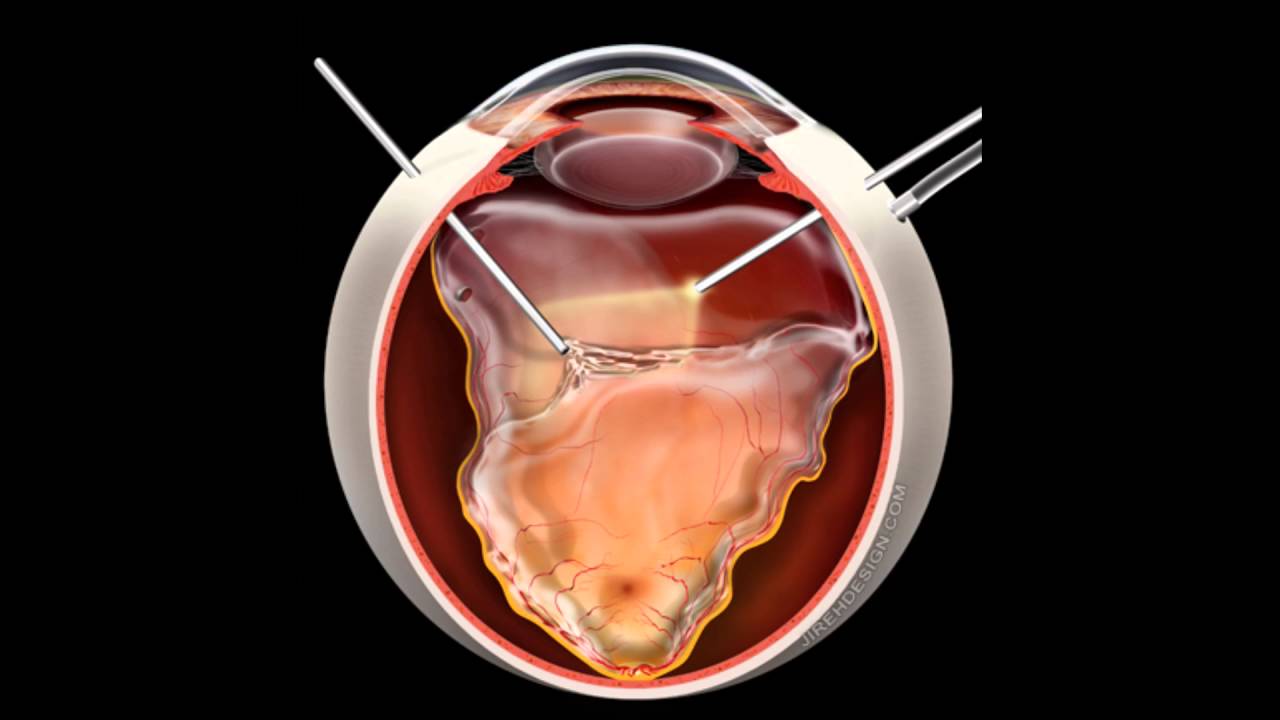
Retinal detachment surgery is performed to return the retina to its normal position and to improve vision. When the procedure is successful, the patient generally makes a full recovery over about 3 to 6 months. This improvement is confirmed through regular follow‑up eye exams with an ophthalmologist.
Retinal detachment is an emergency that must be treated as quickly as possible. It usually occurs when a tear forms in the retina, allowing fluid to seep behind it. This causes the retina to separate from the underlying tissue, cutting off its blood supply and depriving it of oxygen and nutrients. As a result, vision becomes impaired.
Read also: When Does Vision Improve After Retinal Detachment Surgery?
Retinal Detachment Surgery Success Rate
Retinal detachment surgery is one of the main treatment options, so the success rate is usually a major concern for patients. In about 90% of cases, the detached retina can be successfully reattached with a single surgical procedure.
However, the primary goal is not only to reattach the retina, but also to improve vision. Even if the surgery is technically successful, vision often does not return to exactly the same level it was before the detachment, although it should be significantly better than right after the detachment.
The most common reason for surgical failure is the formation of scar tissue (known medically as proliferative vitreoretinopathy, or PVR), which can pull on the retina and cause it to detach again. The likelihood of needing a second operation is relatively low, and the highest risk of problems occurs during the first three months after surgery. During this period, your ophthalmologist will monitor your eye closely to detect any complications early.
Read also: Common Questions After My Retinal Detachment Experience
Signs of a Successful Retinal Detachment Surgery
When retinal detachment surgery goes well, the signs of success are usually very encouraging, but they appear gradually over the recovery period. Because this is a highly delicate and complex operation, ophthalmologists strongly emphasize the importance of proper rest and carefully following postoperative instructions.
Signs that the surgery is succeeding typically begin to appear within the first three months or so. Based on your symptoms and eye exam findings, your doctor can determine whether the surgery has achieved its goals or whether you might need an additional procedure.
Below are some of the key signs that retinal detachment surgery has been successful:
Postoperative Tips After Retinal Detachment Surgery
The initial rest period after surgery usually lasts at least about two weeks. During this time, your ophthalmologist will stress how important it is to follow postoperative instructions to support healing and reduce the risk of complications. These instructions may include activity restrictions, positioning of the head (especially if gas or silicone oil was used), and using prescribed eye drops exactly as directed.
Everyday activities can generally be resumed gradually, such as reading, riding in a car, browsing the internet, watching television, and other light tasks, as long as they do not strain the eye and are allowed by your doctor.
Read also: Keratoconus Treatment | What Techniques Are Available?
Frequently Asked Questions
Can I shower or wash my face after surgery?
This depends on your specific case and your doctor’s advice. In general, you should avoid getting water directly into the operated eye. Wash your face gently, keeping water and soap away from the eye as much as possible.
What are the possible complications of retinal detachment surgery?
As with any surgical procedure, complications can occur. These may include issues such as infection, increased intraocular pressure, cataract formation, bleeding, recurrent detachment due to scar tissue, or changes in vision. Your ophthalmologist will discuss the potential risks relevant to your particular condition.
When does vision improve after retinal detachment surgery?
The speed and degree of visual recovery depend partly on the type of material used inside the eye (such as gas bubble or silicone oil) and on how long the retina was detached before surgery. Vision generally improves gradually, and full recovery can take around six months.
Headache After Retinal Detachment Surgery
Headache related to retinal problems is often described as a migraine‑type headache. It may begin within about an hour of losing part of your vision and can last for some time. The pain may worsen with movement, physical activity, or climbing stairs. Women tend to be affected by retinal migraine more often than men. Other associated symptoms can include dizziness and nausea or vomiting.
Summary
Recognizing the signs of a successful retinal detachment surgery offers reassurance to patients, especially with the advances in ophthalmology and modern surgical technologies. When surgery is successful, the symptoms that the patient experienced before the procedure gradually improve or resolve, and no significant postoperative complications appear during the recovery period.

Carefully following your doctor’s instructions—regarding medications, activity restrictions, and follow‑up visits—is essential for giving the retina the best chance to heal properly, helping you return safely to the daily activities you enjoy.
Read also: Who Is the Best Ophthalmologist in Jeddah? – Batal Specialized Center