
Med info
How to Find the Right Neuro‑Ophthalmologist

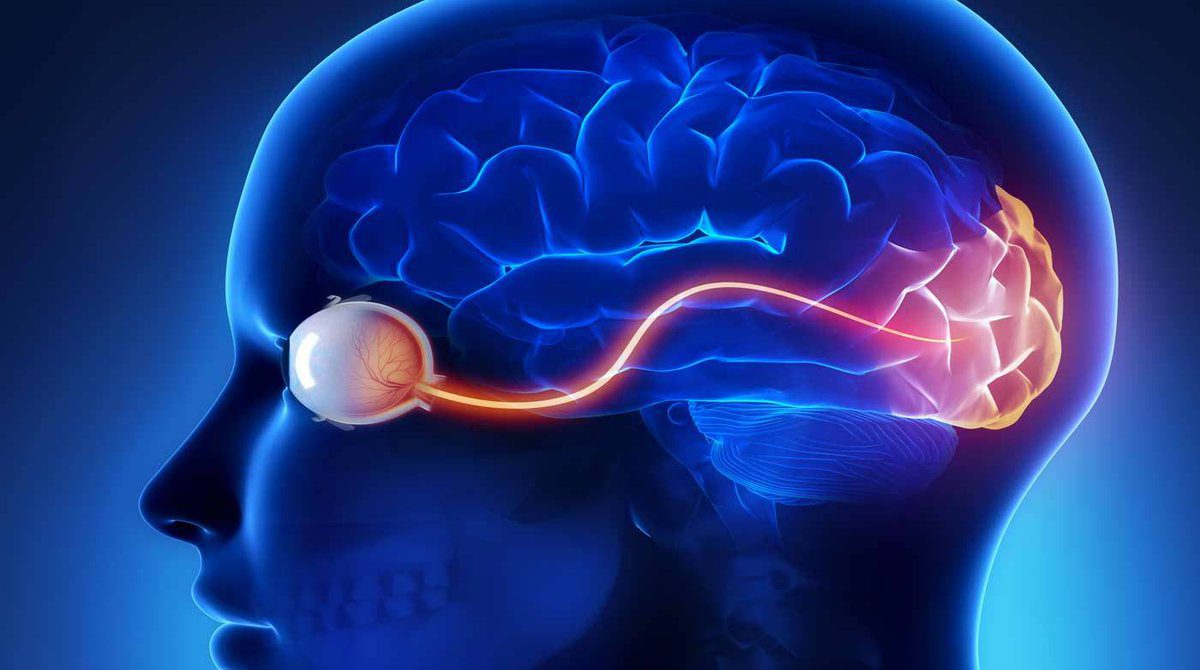
Having good vision makes it much easier to handle your daily tasks, but vision problems are very common. More than 150 million people use some form of corrective eyewear. Over half of adults older than 75 develop cataracts, glaucoma affects more than two million people over the age of 40, over 4 million people live with visual impairment, and more than 1.3 million meet the criteria for legal blindness.
For most eye concerns or routine eye exams, you can see an optometrist or a general ophthalmologist. Ophthalmologists are medical doctors who specialize in diagnosing and treating eye diseases. They receive more extensive training than optometrists, so they can manage a wider range of conditions. Some ophthalmologists focus on very specific areas related to vision, including neuro‑ophthalmology, which deals with vision problems caused by neurological conditions.
For example, papilledema is a serious medical condition in which the optic nerve at the back of the eye becomes swollen because of increased pressure inside or around the brain. This raised intracranial pressure leads to optic nerve swelling, causing visual disturbances, headaches, and vomiting. Medications are used to lower the pressure inside the skull, and sometimes brain surgery is needed if the increased pressure is due to a tumor. In such situations, the expertise of a neuro‑ophthalmologist is crucial.
Optic neuritis is another condition, where inflammation near the optic nerve interferes with its function. Symptoms can include pain with eye movement and temporary vision loss. Treatment typically involves antibiotics (if an infection is suspected) and corticosteroids to fight infection or suppress immune‑mediated damage. Here again, a neuro‑ophthalmologist plays a key role in diagnosis and management.
See also: Glaucoma surgery
Who Is a Neuro‑Ophthalmologist?
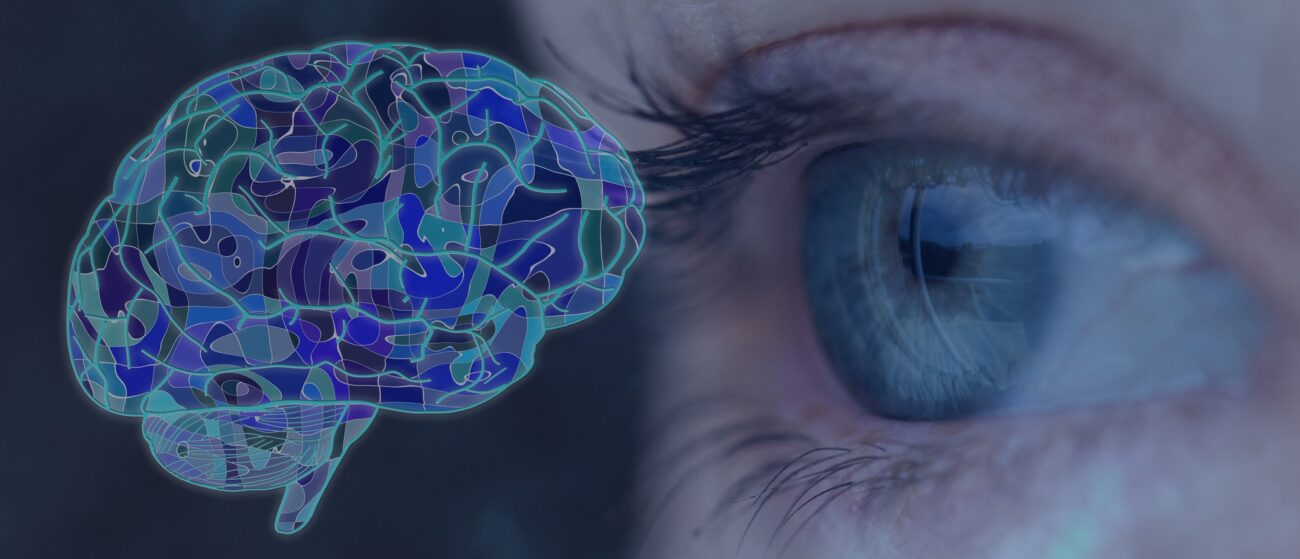
Neuro‑ophthalmology is a subspecialty that combines both neurology and ophthalmology. A neuro‑ophthalmologist is an ophthalmologist (and sometimes also a neurologist) who specializes in vision problems related to the nervous system. These include visual issues caused by injuries or diseases of the brain, such as trauma, stroke, or infections. In some cases, these problems are mild and not immediately dangerous, but in others they can lead to serious complications, including permanent vision loss.
A neuro‑ophthalmologist can diagnose and treat neurological and systemic diseases that affect your vision and eye movements. Tests they may order include electroretinography (ERG), optical coherence tomography (OCT), and multifocal ERG recordings. The treatment plan depends on your specific condition and may include:
[content continues here based on the original article]
See also: The difference between a specialist and a consultant in ophthalmology
What Neuro‑Ophthalmic Diseases Does a Neuro‑Ophthalmologist Treat?
[content continues here based on the original article]
How Are Neuro‑Ophthalmic Disorders Diagnosed?
You Notice a Loss of Visual Acuity
[content continues here based on the original article]
You Have Trouble Moving Your Eyes
Problems that prevent your eyes from moving properly include cranial nerve palsies and myasthenia gravis. These conditions can make it difficult to see clearly. You should see a neuro‑ophthalmologist if your eyes suddenly start to jerk or oscillate, as this can be a sign of nystagmus, a condition that may cause problems with vision, depth perception, balance, and coordination.
See also: Color blindness | Test yourself with images and learn about causes and treatment options
You Have Tumors Pressing on the Visual Pathways
Even if you haven’t noticed any changes in your vision, if you’ve been diagnosed with a pituitary tumor (or another type of tumor inside the skull) that is pressing on your optic nerves, you should see a neuro‑ophthalmologist to make sure you are not developing vision loss.
You Have Increased Pressure in Your Head
[content continues here based on the original article]
What Are the Treatment Options for Neuro‑Ophthalmic Disorders?
[content continues here based on the original article]
See also: Eye pressure | Causes, symptoms, treatment options, and the best eye drops for managing it