
Med info
How to Treat Retinal Damage

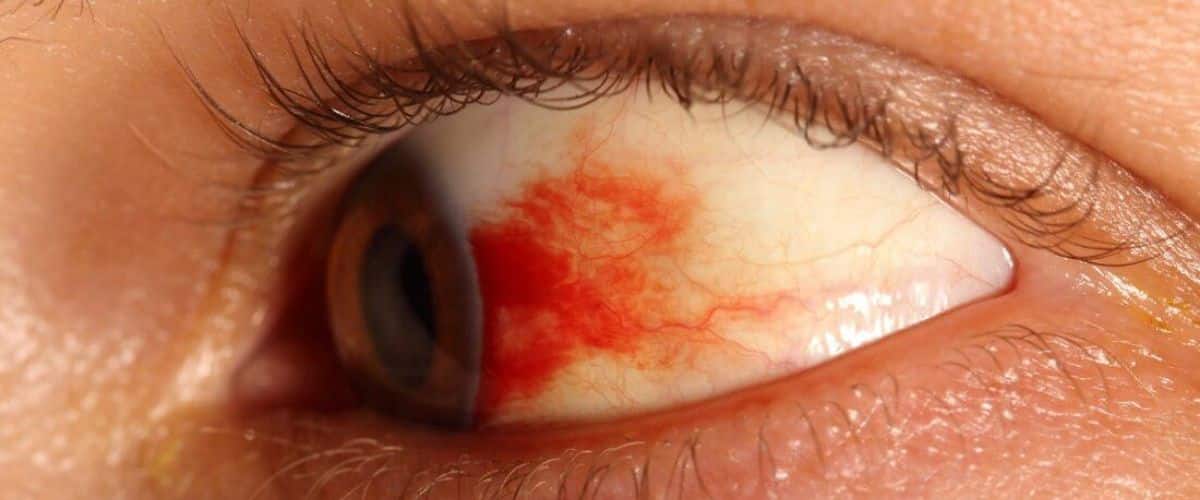
The complexity of the retina has puzzled scientists for centuries, until Aristotle challenged the prevailing belief that the eye emits rays and suggested instead that it receives them. Thanks to modern medical advances, nearly 100 million people worldwide living with retinal diseases now have treatment options that would have been unimaginable just a decade ago.
The retina is a thin layer of light‑sensitive cells located at the back of the eye. Light entering the eye is focused onto the retina, which detects this light and sends visual information to the brain through the optic nerve. When the retina is damaged, vision becomes blurred or distorted.
Read also: Treatment of Keratoconus | What Techniques Are Available?
Macular Retina (Macula)
This is the part of the retina responsible for sharp, detailed central vision. The conditions that affect it include the following:
Symptoms
Central vision becomes impaired, causing lines to look wavy or images to appear distorted in size. In some cases, the neurosensory retina detaches from the underlying tissue. In advanced macular degeneration, the macula may bleed and leak fluid, yellow deposits (drusen) can form, and vision becomes increasingly blurry.
Treatment of Macular Diseases
In the early stages, macular disease can often be slowed by dietary changes. Studies show that foods rich in antioxidants help slow degenerative processes. Oily (fatty) fish and leafy green vegetables are especially beneficial, as are lifestyle changes such as quitting smoking.
Because laser therapy can damage healthy tissue, photodynamic therapy and intravitreal injections are now among the most commonly used treatments. However, macular edema can still be effectively treated with laser photocoagulation in selected cases.
Chorioretinal Layer (Choroid and Retina)
This layer is rich in blood vessels and is responsible for supplying nutrients to the rest of the retina. Conditions affecting this layer include the following:
Read also: Eye Twitching | Everything You Need to Know About Eyelid Twitching
Symptoms
People with these types of disorders may experience floaters, blurred vision, or even vision loss.
Treatments for Chorioretinal Disorders
Oily fish, dark leafy greens, kale, organ meats, and appropriate nutritional supplements can support overall eye health. Topical or local steroids, medications, retinal reattachment surgery, and laser photocoagulation are among the most common medical treatments.
Natural Retinal Healing
While many retinal disorders cannot be cured with nutrition alone, diet can support medical care and help prevent complications. Every retinal layer depends on nutrients such as lutein, zeaxanthin, omega‑3 fatty acids, and vitamins C, E, and A for maintaining healthy eyes.
Not long ago, retinal damage was considered an almost inevitable part of aging, like gray hair and wrinkles. Today, treatment options range from high‑tech electronic retinal implants to relatively simple laser surgeries. In the future, it may even become possible to replace malfunctioning retinal cells, halting the progression toward blindness. With the broad range of tools now available, many patients with retinal damage can address their vision problems almost as easily as covering gray hair.
Causes of Retinal Damage
There are many possible causes of retinal damage. The most common include:
Read also: Symptoms and Treatment of Diabetic Retinopathy
Symptoms of Retinal Damage
Key symptoms of retinal damage, which may worsen as the condition progresses, include:
Methods of Treating Retinal Damage
The main goals of treating retinal damage are to stop or slow the progression of the disease and to improve vision when possible. Early detection is crucial for prompt and effective treatment of retinal damage. Treatment options may include:
Read also: When Does Vision Improve After Retinal Detachment Surgery?
Preventing Retinal Damage

Early diagnosis can prevent long‑term complications such as permanent vision loss. Cataract surgery is considered one of the major risk factors that needs careful follow‑up. Likewise, strict control of blood glucose levels in people with diabetes is essential in helping to prevent retinal damage. Many cases occur suddenly after trauma, such as a blow to the eye (for example, in boxing) or intense activities like bungee jumping, so routine eye examinations with an ophthalmologist are strongly recommended.
Read also: Causes of Eye Twitching and Your Experiences With Eyelid Twitching