Med info
My Experience with Lens Implant Surgery

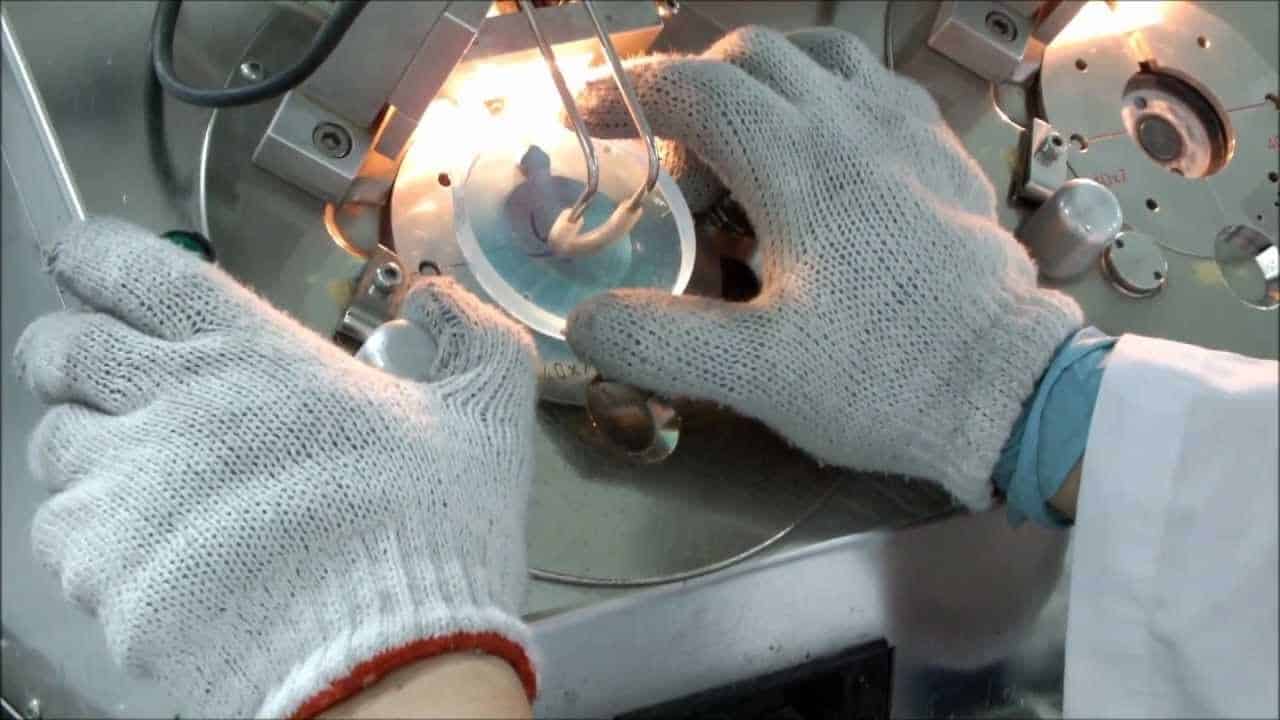
The intraocular lens (IOL) is an artificial lens implanted in the eye as part of the treatment for cataracts or nearsightedness (myopia). The most common type of IOL is the pseudophakic IOL, which is implanted during cataract surgery after removing the eye’s natural cloudy lens (commonly known as a cataract). A pseudophakic IOL performs the same light‑focusing function as the eye’s natural crystalline lens.
The second type of IOL is better known as a phakic intraocular lens (PIOL). This lens is placed in front of the eye’s natural lens and is used in refractive surgery to change the eye’s focusing power as a treatment for myopia.
Read also: Is it true that lenses are used to treat farsightedness?
What Is Lens Implant Surgery?
Cataract surgery involves removing the eye’s natural cloudy lens. The best treatment is to insert an artificial lens into the eye, known as an intraocular lens implant (IOL). Surgeons usually refer to it simply as an IOL.
If an IOL is not used, the eye’s focus must be corrected with very strong eyeglass lenses or contact lenses. Both options have drawbacks: cataract glasses tend to be thick, heavy, and limit the field of vision, while contact lenses require ongoing care, insertion, and removal. Once an intraocular lens is implanted, the patient can basically forget it’s there, and vision is often restored to nearly normal.
There are several different types of IOLs:
IOL Design Types
An intraocular lens implant consists of two main parts. The central part is the optic, which is the actual focusing element of the lens. It is a thin, round disc, usually 5–7 mm in diameter. This central part is called the “optic.”
Most IOL designs have two supporting extensions that project from the optic in opposite directions. These extensions are called haptics. A few lenses on the market have more than two haptics. The entire lens can be made from a single piece of plastic, in which case it is called a one‑piece IOL. Alternatively, the optic and the haptics can be manufactured separately and then joined together; if the lens has a central optic with two attached haptics, it is called a three‑piece IOL.
Different IOL designs vary in shape. The haptics may be simple C‑ or J‑shaped loops, or more complex, angulated configurations. In one design, known as a plate‑haptic lens, the central optic is supported by two paddle‑shaped extensions, giving the whole lens a rectangular shape.
Read also: Medical contact lenses and top tips for using them
IOL Materials
Intraocular lenses are made from medical‑grade plastics. These materials must be chemically stable and inert inside the eye. They should not cause irritation or any chemically induced damage to ocular tissues. In other words, they must be safe, reliable, and designed to last a lifetime.
The first plastic used to make IOLs was Perspex (polymethyl methacrylate, PMMA), a rigid material also used for traditional hard contact lenses. Millions of PMMA IOLs have been implanted. One company developed a method to bind a substance called heparin to the surface of lenses made from this material to improve their biocompatibility.
Lens Implant Procedure
Lens implants are most commonly placed using a procedure called clear lens extraction and replacement. In this surgery, the natural crystalline lens is removed and replaced with an IOL in a process very similar to modern cataract surgery. Both procedures involve lens removal and replacement, are usually done under local anesthesia, and take about 30 minutes.
The surgeon makes a small incision in the eye through which the artificial lens is inserted. Most people recover from CLEAR surgery within about 1–7 days. During this period, patients should avoid strenuous exercise or any activity that significantly raises blood pressure. They also need to see their ophthalmologist regularly for several months to monitor the implanted IOLs.
How Long Does a Lens Implant Last?
Intraocular lenses are designed to last longer than a human lifetime. Unlike the eye’s natural lens, they do not break down and almost never need to be replaced. Complete healing typically takes about 8 to 12 weeks.
Read also: Prescription lenses: everything you need to know about medical lenses
Which Is Better: LASIK or Lens Implant Surgery?
Lens implant surgery is generally more expensive than LASIK, mainly because the lens procedure takes longer to perform. However, the total time spent in the hospital or surgical center is similar for both surgeries due to paperwork, preparation, and transfer to the operating room. LASIK is usually performed on both eyes in the same session, while some surgeons prefer to perform lens implant surgery on different days for each eye.
For patients with a low to moderate refractive error and no associated eye disease, LASIK is usually the better option. Phakic IOLs are often the best choice for patients with stable keratoconus, for those who have had previous corneal surgery, and for patients with early cataracts.
Is Lens Implant Surgery Safe?
Lens replacement is considered one of the safest medical procedures performed today. Millions of these surgeries are done worldwide each year. As with any surgery, there are potential complications, but they are rare and usually manageable with additional treatment.
Can an Implanted Lens Be Replaced?

There are risks associated with exchanging an implanted lens, as with any other eye surgery. Because of these risks, doctors often consider other effective alternatives to lens‑exchange surgery when possible, such as laser vision correction or adding a secondary (“piggyback”) lens in selected cases.
Risks of Intraocular Lenses (IOLs)
Read also: Cataract surgery: post‑operative instructions and lens implantation guidance