
Med info
Surface Laser Eye Surgery (PRK): Everything You Need to Know

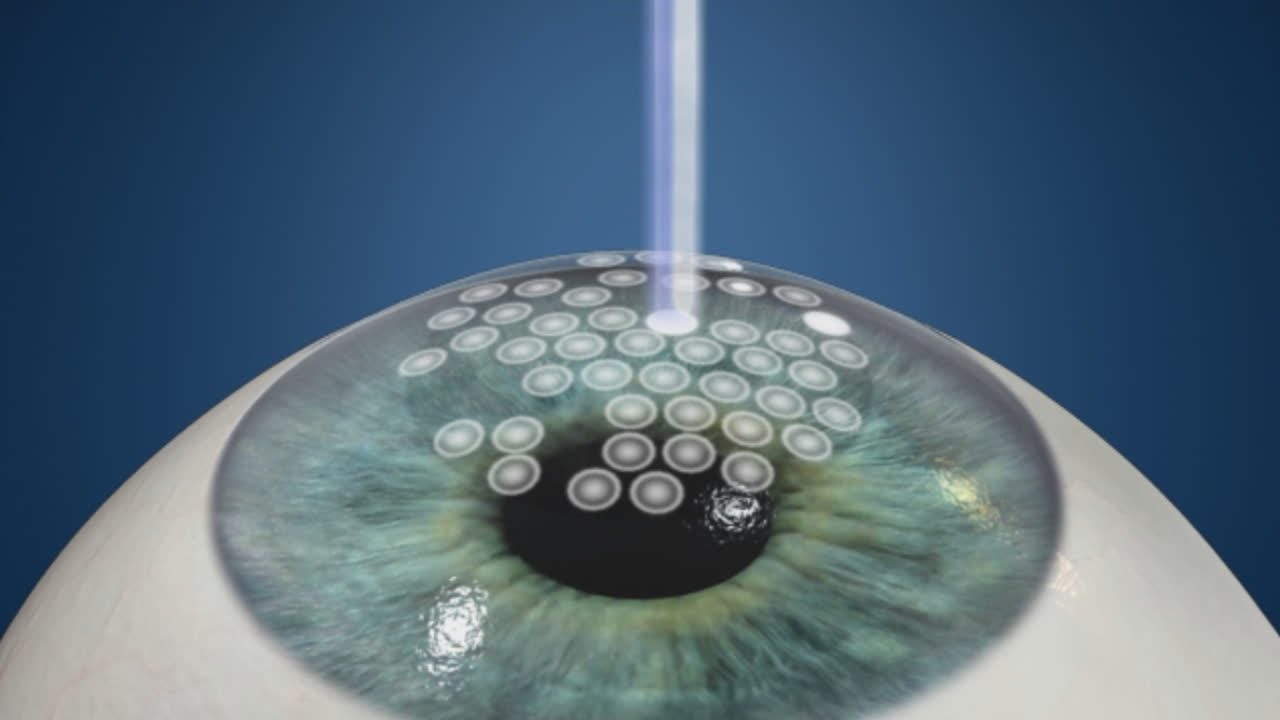
Photorefractive keratectomy (PRK), commonly called surface laser eye surgery, is a popular type of laser vision correction. It is often recommended for patients who are not good candidates for other laser procedures such as LASIK.
How PRK Surface Laser Surgery Is Performed
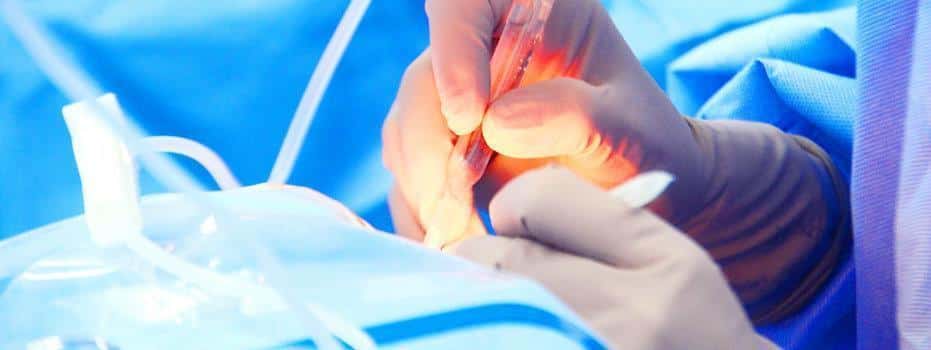
Unlike LASIK, PRK does not involve creating a corneal flap. Instead, the laser is used to reshape the inner corneal layers (the stroma) to correct the refractive error, and this is usually combined with laser removal of the cornea’s outer surface layer (the epithelium).
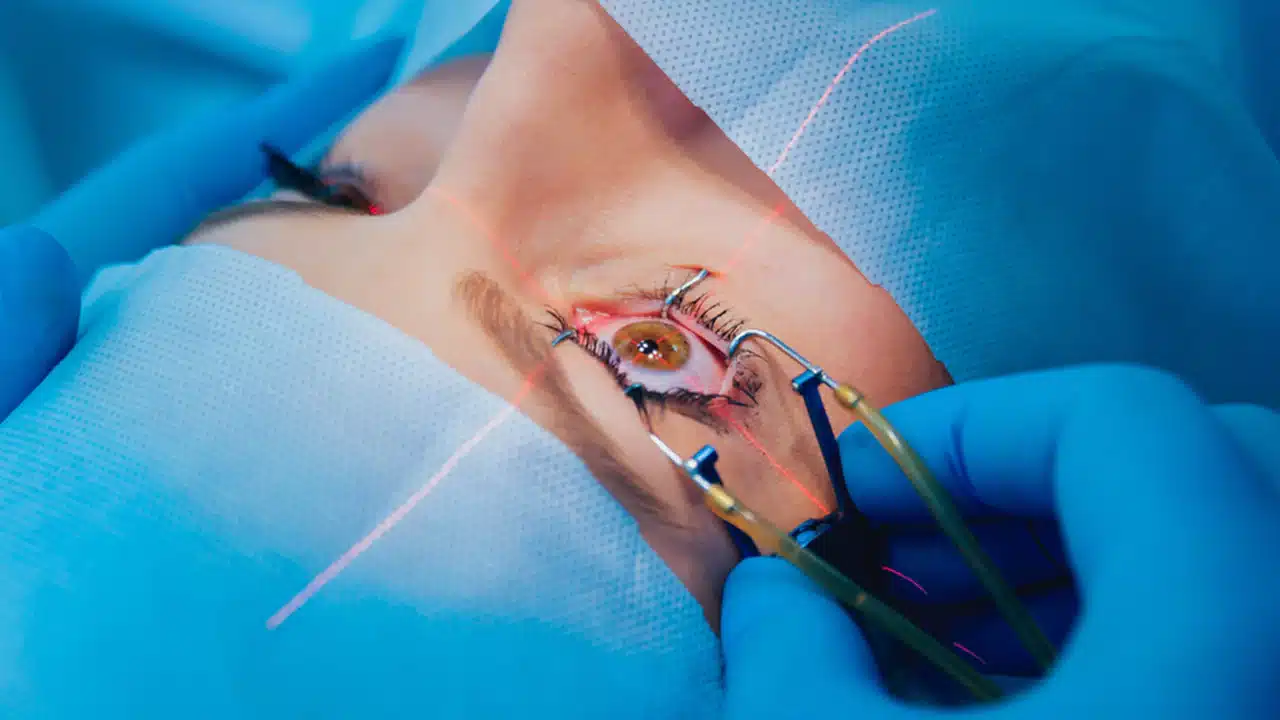
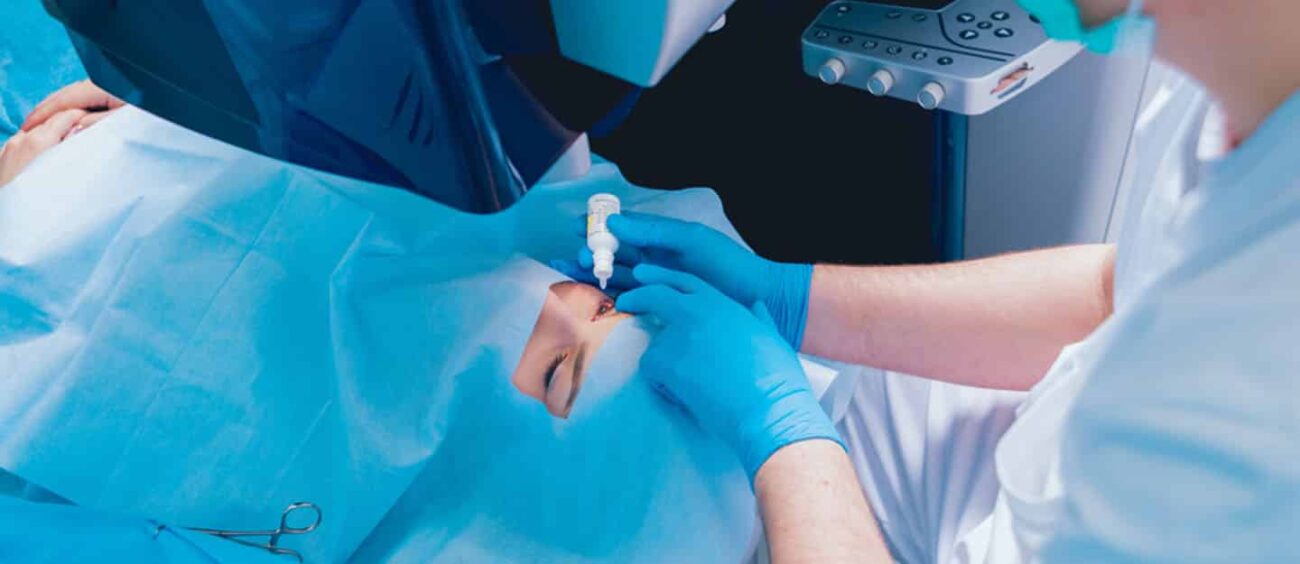
A bandage contact lens is then placed on the eye and usually kept in place for about 4–7 days. During the procedure, a special eyelid speculum is used to keep the eyes open. PRK is similar to LASIK in many ways, except that in PRK the outer surface layer of the cornea is removed manually, usually with the aid of specially prepared alcohol.
Is PRK Painful?
PRK itself is not considered a painful procedure. Numbing eye drops are placed in both eyes before treatment so the patient does not feel pain during the surgery. However, after the procedure, the eyes can feel painful or uncomfortable for 2–3 days while the surface layer of the cornea heals. During this period, the patient is given pain relievers and eye drops to help control discomfort.
What Can PRK Surface Laser Surgery Correct or Treat?
PRK can be used to treat:
– Myopia (nearsightedness)
– Hyperopia (farsightedness)
– Presbyopia (age‑related difficulty focusing at near, in selected cases)
– Astigmatism
This is why it is often referred to as surface laser vision correction. However, very high prescriptions of myopia, hyperopia, or astigmatism are often better managed with implantable contact lenses (ICL) or refractive lens exchange (RLE), especially for patients over the age of 50.
Who Is a Good Candidate for PRK?
Several factors determine whether someone is suitable for PRK. Patients with thin corneas are often better candidates for PRK than for LASIK. It may also be preferable for people whose eyes are at higher risk of trauma, such as athletes, police officers, and wrestlers, because:
– LASIK involves a corneal flap that can, in rare cases, be displaced by significant trauma
– PRK does not create a flap, so this particular risk is avoided
Other general criteria for PRK candidacy include:
– Age 18 or older
– A stable glasses or contact lens prescription
– A healthy cornea
– Overall good eye health
To determine the best treatment option, it is important to have a full eye assessment. At Al Batal Specialty Complex in Jeddah, the Eye Center team can evaluate your eyes and advise you on the safest and most effective choice.
Who Is Not a Good Candidate for PRK?
Surface laser eye surgery may not be suitable if the patient has:
– Certain corneal diseases (such as keratoconus or corneal dystrophies)
– Significant corneal scarring
– Active eye infections or severe dry eye disease
– Autoimmune disorders or conditions that impair healing
– Very unstable or rapidly changing refractive error
– Unrealistic expectations about the outcomes
If any of these conditions are present, an alternative procedure such as an implantable contact lens may be more appropriate. A comprehensive eye examination is essential to determine this.
Complications of PRK Surface Laser Surgery
Most people heal very well after PRK. However, recovery is typically slower than after LASIK. It is common to experience some pain or discomfort as the corneal surface heals in the first few days. This is usually managed with pain medication and lubricating drops.
Vision usually begins to stabilize, and becomes similar to LASIK outcomes, about one week after surgery, although full stabilization may take longer. Some temporary side effects can occur, including:
– Blurred or fluctuating vision during the early healing period
– Light sensitivity (photophobia)
– Dry eye symptoms
– Glare, halos, or starbursts around lights at night
– A foreign body sensation or mild burning
– Mild haze on the cornea in some cases during healing
Although these side effects can sound worrying, they typically improve and disappear in most patients without any lasting impact. To greatly reduce the risk and severity of complications, it is important to have surgery at a center that uses modern laser technology and follows strict safety protocols—such as the Eye Center at Al Batal Specialty Complex in Jeddah. Following post‑operative instructions carefully is also critical for optimal healing.
Will My Vision Reach 20/20 After PRK?
The majority of patients achieve 20/20 (6/6) unaided vision after PRK. However, individual results can vary. Some patients—especially those who had very high refractive errors before surgery—may still need a light prescription for glasses for certain tasks, such as night driving or prolonged reading.
When Can I Use My Phone After PRK?
During the first 24 hours after PRK, you should avoid staring at digital screens for long periods, including smartphones, tablets, and computers. Since your eyes are still healing, it is better not to spend hours on social media or messaging. Instead, limit phone use to short periods spread throughout the day, paying attention to how your eyes feel and resting them frequently.
How to Prepare for PRK Surface Laser Eye Surgery
To achieve the best possible results, it is essential to follow your surgeon’s instructions. Preparation may include:
– Stopping contact lens wear for a period before the pre‑operative exam (depending on lens type)
– Undergoing detailed corneal scans and eye measurements
– Informing your doctor about any medications or health conditions
– Using any prescribed pre‑operative eye drops as directed
– Arranging for someone to drive you home after the procedure
– Avoiding eye makeup, perfumes, or lotions on the day of surgery
Your surgeon at the Eye Center in Al Batal Specialty Complex will provide tailored pre‑operative instructions based on your eyes and medical history.
Precautions After PRK Surface Laser Eye Surgery
After PRK, you will receive detailed post‑operative care instructions. General precautions usually include:
– Using all prescribed eye drops regularly (antibiotic, steroid, and lubricating drops)
– Not rubbing your eyes, especially while the bandage contact lens is in place
– Wearing protective eye shields at night as advised
– Avoiding swimming pools, hot tubs, and direct water in the eyes for a certain period
– Wearing sunglasses outdoors to reduce light sensitivity and protect from UV exposure
– Avoiding eye makeup, dusty environments, or heavy exercise for the time recommended by your surgeon
– Attending all scheduled follow‑up visits to monitor healing and visual outcomes
Your surgeon will let you know when your vision has stabilized and when it is safe to resume all normal activities.
Benefits of PRK Laser Eye Surgery
PRK offers several important advantages:
– No corneal flap is created, eliminating flap‑related risks
– Often safer than LASIK for patients with thin corneas
– A good option for people at higher risk of eye trauma (such as contact sports)
– Long‑term visual outcomes that are comparable to LASIK in many cases
– Permanent reduction or elimination of dependence on glasses or contact lenses for most patients
To learn more about the best laser eye surgeons and the most suitable procedure for your case, you can visit the Eye Center at Al Batal Specialty Complex in Jeddah.

Whatever visual symptoms, refractive errors, or eye problems you may have, they require careful evaluation and appropriate treatment by a skilled, experienced ophthalmologist using effective medical technology to achieve the best possible outcome. Whatever eye condition you are dealing with, you can book an appointment at Al Batal Specialty Complex to undergo a thorough eye examination and begin addressing your eye problems, no matter how complex they may be.