
Med info
Treatment for Gum Recession and Exposed Teeth

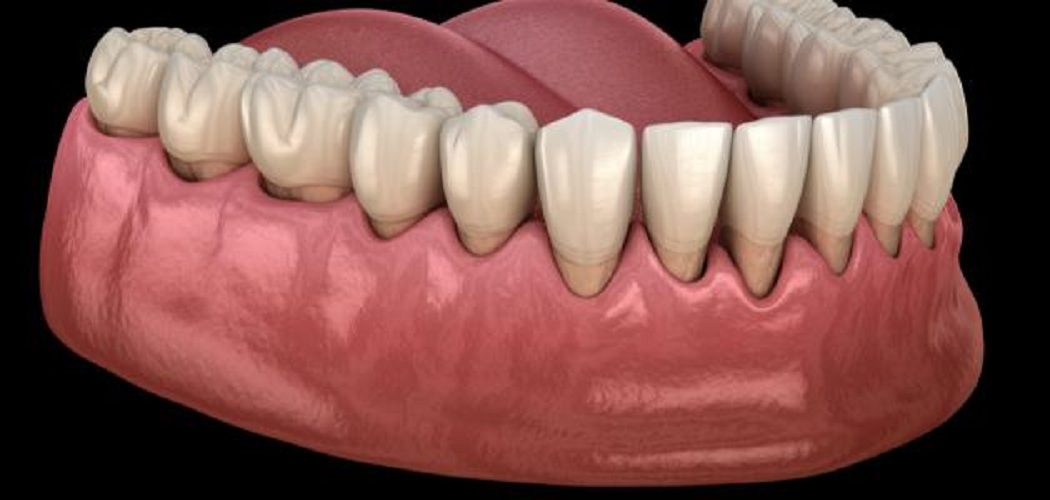
The gums are a layer of pink tissue in the mouth that protect the roots of the teeth and cover the alveolar bone, which is the bone that anchors the teeth in the jaw. Just like the skin acts as a barrier on the body, the gums form a critical protective barrier that helps prevent infections from entering the body. Healthy gums protect the more sensitive structures in the mouth from bacteria and stop foreign particles from entering the bloodstream. Diseased gums, however, may allow harmful particles to pass through.
Read also: Best Dental Clinics in Jeddah
What Is Gum Recession?
Gum recession occurs when the gum tissue starts to shrink and the gumline pulls away from the tooth. As this happens, small gaps form between the gumline and the teeth, creating a pathway for bacteria to accumulate and cause damage. Once gum recession has occurred, the gums cannot naturally heal or grow back on their own. The best way to deal with gum recession is to prevent it before it starts.
Causes and Risk Factors for Gum Recession
Gums can recede for many reasons, and it is not always due to gum disease. For example, teeth grinding (bruxism) can contribute to gum recession. Even when the gums are not infected, swelling (edema) behind the gums can cause them to enlarge. This may be due to an infection or a disturbance in the oral microbiome.
There are tiny blood vessels in the gums that are very similar in size and fragility to the delicate blood vessels in the kidneys. For this reason, both the kidneys and the gums are vulnerable to damage in people with high blood pressure.
Conditions that impair blood flow to these small blood vessels can affect gum health.
Secondary causes of gum recession also include overbrushing (brushing too hard or using a hard-bristled toothbrush) and certain foods that gradually damage gum tissue over time.
Read also: Best Dentist in Jeddah
Signs and Symptoms of Gum Recession
The very early stages of gum recession are often not visible to the naked eye. However, you may start to notice sudden symptoms early in the process. If the underlying problem is not addressed at these early stages, visible gum recession may eventually appear.
Ultimately, accurate diagnosis depends on proper measurement. Dental professionals measure the height of the teeth in millimeters and assess the ratio of attached gum tissue to unattached (movable) tissue. Your dentist should carefully check for any signs of recession, which is especially important in older patients who are more likely to develop gum recession. It is essential not to skip dental appointments as you age, and to visit the Dental Center at Al-Batal Specialized Complex in Jeddah for comprehensive care.
Treatment of Gum Recession
The most effective way to manage gum inflammation (gingivitis) or gum recession is to prevent it from occurring in the first place. Unfortunately, a certain degree of gum recession is common with aging. However, recession may start earlier or worsen more quickly in the presence of factors such as:
– Poor oral hygiene
– Smoking or tobacco use
– Uncontrolled diabetes or systemic diseases
– Teeth grinding or clenching
– Aggressive toothbrushing
– Untreated gum disease (periodontitis)
Below are some practical, actionable steps you can take to help prevent gum recession:
– Follow a proper daily toothbrushing technique
– Floss regularly to clean between the teeth and under the gumline
– Maintain a balanced diet that supports gum health
– Avoid tobacco products
– Manage systemic conditions such as diabetes and high blood pressure
Basic daily steps for brushing your teeth correctly include:
– Using a soft-bristled toothbrush
– Holding the brush at a 45-degree angle to the gumline
– Using gentle, short strokes rather than harsh scrubbing
– Brushing for two minutes, twice a day
– Replacing your toothbrush every 3–4 months or sooner if bristles are frayed
Gum disease can be prevented by:
– Professional dental cleanings at regular intervals
– Removing plaque and tartar before they cause deep inflammation
– Controlling risk factors such as smoking and poor diet
– Using interdental brushes or floss to maintain cleanliness between teeth
Avoid the risks associated with conventional mouthwashes that are high in alcohol or harsh antiseptics by using natural or alcohol-free alternatives when appropriate.
Because the oral microbiome is very delicate, you should not aim to kill all the bacteria in your mouth on a regular basis. A healthy balance of beneficial bacteria is necessary to help prevent cavities and gum disease.
Methods that can help reduce harmful bacteria and support healing of gum damage caused by gingivitis include:
– Professional scaling and root planing (deep cleaning)
– Antibacterial or antiseptic mouth rinses as prescribed by the dentist
– Improved home oral hygiene (brushing, flossing, interdental cleaning)
– Using toothpaste formulated for gum health and sensitivity
– In some cases, laser therapy or other in-office treatments
5. Avoid foods that harm the gums:
Sharp or hard foods can easily injure the gums, and foods high in acid or sugar can also damage gum tissue over time. Some foods to limit in order to help prevent gum recession include:
– Hard chips and crackers that can cut the gums
– Very sour candies and acidic drinks (such as soda and energy drinks)
– Sticky sweets that cling to the teeth and gums
– Excessive citrus fruit or juices that erode enamel and irritate tissue
Some foods are generally healthy but may cause gum problems if eaten in excess. Consume the following in moderation:
– Dried fruits that stick to teeth and gums
– Highly acidic fruits (such as lemons and grapefruits)
– Very hard nuts or seeds that can traumatize the gums if bitten incorrectly
6. Regular dental checkups
Visiting the dentist every six months is beneficial for several reasons. Regular checkups and cleanings help maintain gum and tooth health, and also keep communication open between you and your dentist about your oral hygiene habits and any early signs of disease.
Your dentist may recommend several approaches to protect sensitive gum tissue and prevent further damage, such as:
– Switching to a soft-bristled brush and gentle brushing technique
– Using a bite guard (night guard) if you grind or clench your teeth
– Professional deep cleaning if there are signs of gum disease
– Fluoride treatments or desensitizing agents for exposed roots

– In advanced cases, referral for periodontal treatment or gum grafting
Make oral hygiene a priority, and consider visiting the Dental Center at Al-Batal Specialized Complex in Jeddah, where you will find highly experienced dentists and advanced diagnostic and treatment services in the field of dentistry.