Med info
Types of Dental Fillings

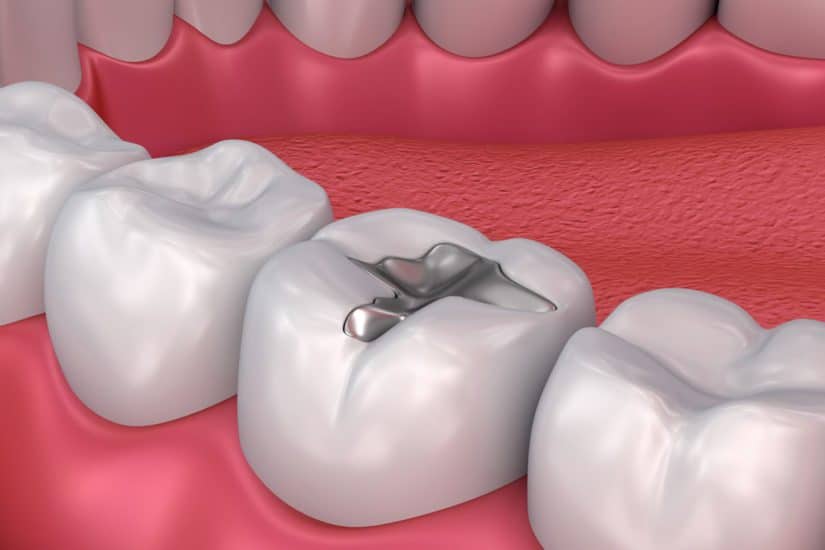
To treat tooth decay, a dentist removes the decayed portion of the tooth, then fills the resulting space with a dental filling. Fillings are also used to repair cracked or broken teeth. But what are the different types of dental fillings in detail? This guide walks you through everything you need to know.
Read also: Types of Dental Implants and Their Prices
What Are the Steps Involved in a Dental Filling?
First, your dentist will numb the area around the affected tooth with a local anesthetic. Then, they will use a dental drill, air abrasion device, or laser to remove the decayed part of the tooth. The choice of instrument depends on the dentist’s training, comfort level, investment in specific equipment, as well as the location and extent of the decay.
Next, the dentist will examine and test the area during the decay removal process to make sure all the decay has been eliminated. Once the decay is completely removed, the dentist prepares the cavity for the filling by cleaning out any bacteria and debris. If the decay is close to the tooth’s root, the dentist may place a liner first to protect the nerve.
What Types of Filling Materials Are Available?
Today, several materials are available for dental fillings. Teeth can be filled with gold, porcelain, silver amalgam (a mixture of mercury with silver, tin, zinc, and copper), or tooth-colored materials such as composite resin and glass ionomer.
The choice of filling material depends on several factors: the location and size of the cavity, the cost of the material, the patient’s insurance coverage, and the dentist’s recommendations regarding what will work best for your specific case.
Cast Gold Fillings
Advantages:
Disadvantages:
Silver Amalgam Fillings
Advantages:
Disadvantages:
Tooth-Colored Composite Fillings
Advantages:
Disadvantages:
Indirect Fillings
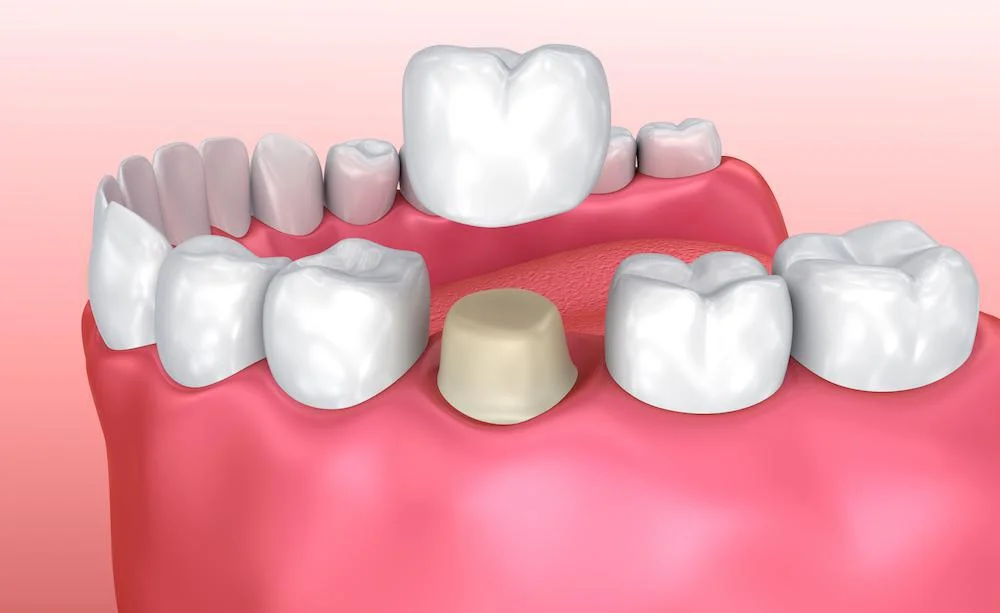
Indirect fillings are similar to composite or tooth-colored fillings, but they are fabricated in a dental laboratory and require two visits before they are placed. Indirect fillings are used when there is not enough healthy tooth structure remaining to support a traditional filling, yet the tooth is not damaged enough to require a full dental crown.
During the first visit, the dentist removes the decay or any old filling material, then takes an impression to capture the shape of the tooth being restored and the surrounding teeth. This impression is sent to a dental laboratory, where the indirect filling is fabricated. A temporary filling is placed to protect the tooth while the restoration is being made. On the second visit, the temporary filling is removed and the dentist checks the fit of the new restoration before cementing it in place.
There are two main types of indirect fillings: inlays and onlays.
Indirect fillings are more durable and can last much longer than conventional fillings—up to 30 years in many cases. They can be made from tooth-colored composite resin, porcelain, or gold. Although they do remove some tooth structure, they generally weaken the tooth much less than traditional fillings.
Temporary Fillings
Temporary fillings are used in the following situations:
How Should You Care for Dental Fillings?
To maintain your fillings, you should follow good oral hygiene practices and see your dentist regularly for checkups and professional cleanings. Brush with a fluoride toothpaste and floss at least once a day.

You are also welcome to visit the Dental Center at Al Batal Specialized Complex in Jeddah, where you’ll find comprehensive diagnostic and treatment services in all fields of dentistry.
Read also: Best Dental Clinics in Jeddah