Med info
Dental Filling Prices in Jeddah and Types of Dental Fillings

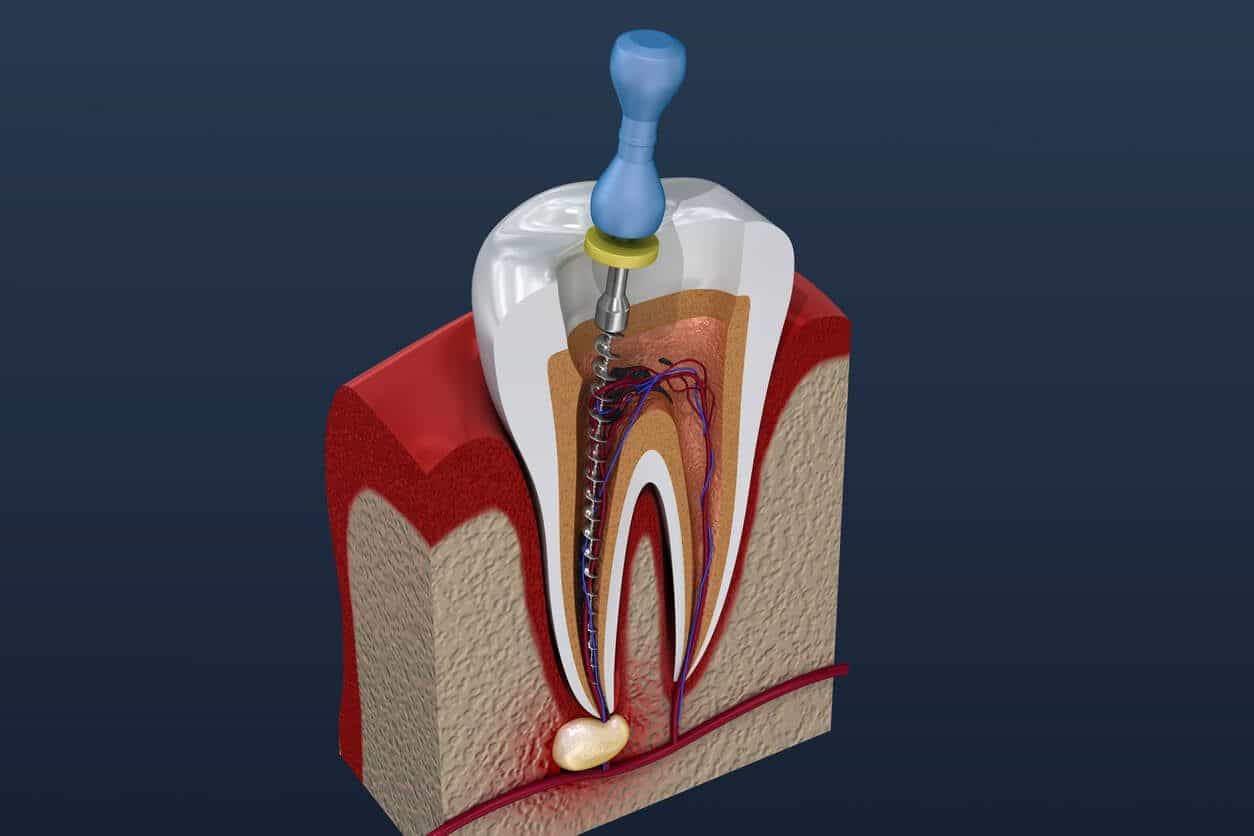
Composite fillings are usually more expensive than traditional (amalgam) fillings because they require a more complex technique, higher‑cost materials, and additional in‑office equipment. However, many people who previously received traditional fillings later return to their dentist to have them replaced with composite fillings.
Read also: Types of Braces with Pictures and Their Prices
The Cost of Dental Fillings
The cost of dental fillings depends on a variety of factors, including:
Traditional amalgam fillings are expected to last around 12 years, while composite fillings typically last from five to seven years, depending on how well you care for your oral hygiene and how regularly you visit your dental clinic.
On average, traditional amalgam fillings cost roughly between 110 and 200 USD per filling, whereas tooth‑colored resin‑based composite fillings—which are priced according to how many tooth surfaces are being restored—generally range from about 135 to 240 USD per filling.
Important Information About Dental Fillings
A dental filling is a type of restorative treatment used to repair minor tooth fractures, dental caries (tooth decay), or damaged tooth surfaces. Filling materials—which can include composite resin, amalgam, porcelain, and sometimes silver‑colored alloys—are used to rebuild and smooth the tooth’s surface to improve chewing and biting function.
Loss of enamel is a common feature of tooth decay and can cause tooth sensitivity in many cases. Depending on how extensive the decay or damage is, the affected tooth may require additional or alternative procedures, such as:
Read also: Types of Dental Fillings
Consultation and Treatment Planning for Dental Fillings
The dentist examines the suspected tooth using a dental explorer and also takes X‑rays to accurately determine the location and extent of the cavity and decay. The dentist then decides on the most appropriate filling options based on medical history, cavity location, cosmetic needs, bite force, durability requirements, cost, and the number of visits needed.
These options may include direct composite bonding, amalgam (silver) fillings, gold restorations, or CAD/CAM chairside restorations. Depending on which option is best, the dentist may be able to complete the filling in a single visit.
How Dental Fillings Are Placed
The dentist begins the filling procedure by preparing the tooth and surrounding area to restore the damaged part. Decayed or compromised tooth structure is removed using a dental handpiece or laser, and the cavity is cleaned to eliminate bacteria and debris before the final restoration is placed.
For composite fillings, the first step is to isolate the tooth. Isolation is crucial because moisture can interfere with the bonding process. The bonding procedure involves applying various adhesive agents, followed by the composite resin, which is then hardened using a special curing light.
Recovery and Care After Dental Fillings
It is recommended to brush your teeth twice a day with a fluoride toothpaste and to use dental floss or another interdental cleaner once daily. You should also keep up with regular appointments with your dentist and dental hygienist for routine checkups and professional cleanings.
Depending on your risk of tooth decay, your dentist may suggest dental sealants applied to the molars to help prevent plaque buildup and cavities. Using a fluoride mouthwash can also provide extra protection. Since diet and nutrition significantly affect oral health, it is important to maintain a balanced diet and limit sugary foods and drinks.

Types of Dental Fillings
Today’s dental fillings vary in appearance, strength, longevity, and cost. In most cases, your dentist will help you select the most suitable filling material based on the size and location of the cavity. Here is a quick overview of the main types of dental fillings:
Silver Fillings (Amalgam)
These are among the most common types of dental fillings. They are made from a mixture of metals, including silver, copper, tin, mercury, and zinc. Amalgam is a relatively durable material that can withstand chewing pressure for more than 10 years, and it is also very affordable, making it an ideal choice for many patients.
The main drawback of silver amalgam fillings is their color, which makes them easily noticeable when you talk or smile.
Composite Resin (Tooth‑Colored Fillings)
Composite resin is a white or tooth‑colored material that can be closely matched to the natural shade of your teeth, providing a more aesthetic, natural look. These fillings are commonly used to repair chipped, cracked, or slightly broken teeth.
The disadvantages of composite fillings are that they are generally less durable than silver amalgam and may not last as long when used on adult back teeth that bear heavy chewing forces. They are also more expensive because they require more chair time and a more technique‑sensitive placement.
Glass Ionomer Fillings
Glass ionomer fillings are made from acrylic and a specific type of glass. They do not last as long as many other materials, as they can be relatively weak. They are usually reserved for small fillings near the gumline, in areas that are not exposed to heavy biting forces, or used as temporary fillings. Their cost is generally similar to that of composite fillings.
Porcelain Fillings (Ceramic Restorations)
Porcelain (ceramic) fillings can be made to match the color of your natural teeth and are highly resistant to wear and staining. The main downside is their higher cost, but their strength and long lifespan often justify the investment.
Gold Fillings
The biggest advantage of gold fillings is their exceptional strength and durability. However, the most obvious drawback is the cost: gold restorations can be up to 10 times more expensive than traditional fillings and typically require multiple dental visits to complete.
Read also: My Experience with Immediate Dental Implants
When it comes to choosing the best material for dental fillings, the only person who can properly guide you is your dentist. For this reason, we invite you to visit the Dental Center at Al Batal Specialized Complex in Jeddah, known for its experienced dentists, advanced medical technology, and reasonable prices.