
Med info
Pterygium (Eye Web) | Everything You Need to Know in 2026

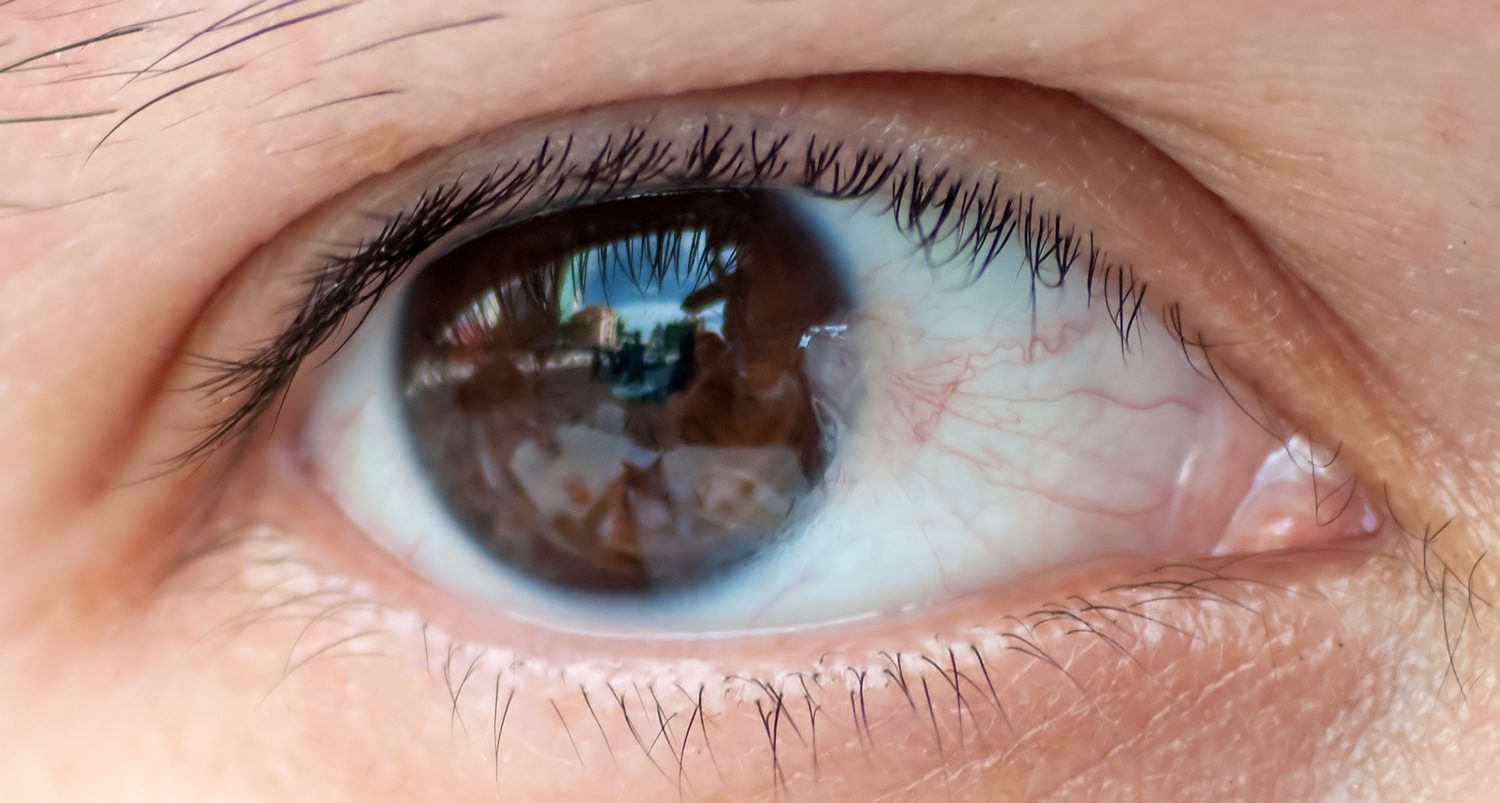
Pterygium is a growth of the conjunctiva—the mucous membrane that covers the white part of your eye—extending over the cornea, which is the clear, front window of the eye. This benign (non‑cancerous) growth often has a wedge‑shaped appearance. In many cases, a pterygium does not cause significant problems and does not require treatment, but it can be removed if it interferes with your vision.
Read also: Sterile Eye Drops… Information and Everything You Need to Know
One proposed explanation is that excessive exposure to ultraviolet (UV) radiation can trigger this growth. Pterygium is more common in people who live in warm climates and spend a lot of time outdoors in sunny or windy environments. Individuals whose eyes are regularly exposed to certain environmental elements are at higher risk of developing this condition, including:
Symptoms of Pterygium
A pterygium does not always cause symptoms. When it does, they are usually mild. Common symptoms include eye redness, blurred vision, and irritation. You may also feel a burning or itchy sensation. If the pterygium grows large enough to extend over the cornea, it can interfere with your vision. A thicker or larger pterygium can create a persistent feeling that something is in your eye (foreign body sensation). Because of the discomfort, you may find it difficult or impossible to keep wearing contact lenses.
In rare cases, a pterygium can cause significant scarring of the cornea. Corneal scarring requires treatment because it can lead to vision loss. For mild cases, treatment typically involves eye drops or ointments to control inflammation. In more advanced cases, treatment may include surgical removal of the pterygium.
Read also: Eye Stroke (Retinal Vein or Artery Occlusion) and What You Need to Know About It
How Is Pterygium Diagnosed?
Diagnosing a pterygium is usually straightforward. Your ophthalmologist can often make the diagnosis based on a physical examination using a slit lamp. This instrument allows your doctor to examine the eye under high magnification with bright illumination.
If your doctor needs additional testing, this may include:
Read also: Sterile Eye Drops… Information and Everything You Need to Know
Treatment of Pterygium
In most cases, a pterygium does not need treatment unless it affects your vision or causes significant discomfort. Your ophthalmologist may recommend periodic eye examinations to monitor the growth and check whether it is starting to interfere with your vision.
Medications for Pterygium
If the pterygium is causing marked irritation or eye redness, your doctor may prescribe eye drops or ointments containing corticosteroids to reduce inflammation.
Surgery for Pterygium
Your ophthalmologist may recommend surgery to remove the pterygium if lubricating drops and medicated ointments do not provide sufficient relief. Surgery is also indicated when the pterygium causes vision loss or astigmatism, which can result in blurred or distorted vision. You can also discuss surgical options with your doctor if you wish to have the pterygium removed for cosmetic reasons.
These operations carry certain risks. In some cases, the pterygium can grow back after surgical removal. Following surgery, your eye may feel dry (dry eye) and irritated. Your doctor can prescribe medications to relieve symptoms and help reduce the risk of recurrence.
How Can I Prevent Pterygium?
Whenever possible, try to limit exposure to environmental factors that can contribute to pterygium. You can help prevent a pterygium from developing by wearing sunglasses and a hat with a brim to protect your eyes from sunlight, wind, and dust. Your sunglasses should also provide protection against ultraviolet (UV) rays.
If you already have a pterygium, reducing your exposure to these triggers can help slow its growth:

Read also: Loxtra Eye Drops – Side Effects, Symptoms, and Everything You Need to Know
Book an appointment at the ophthalmology clinic at Batal Specialized Center in Jeddah, Saudi Arabia.