Med info
Do You Really Need Blue Light Glasses – And Why?

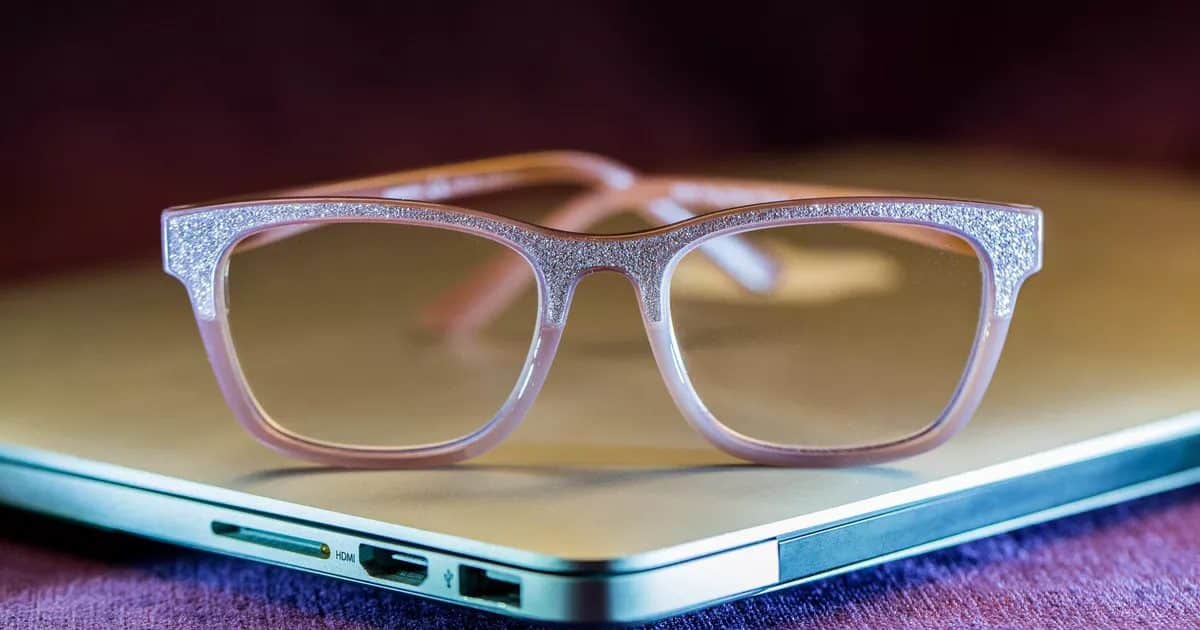
People are turning to blue light glasses more than ever as we all spend increasing amounts of time in front of digital screens—whether that’s smartphones, tablets, computers, or TVs. It’s estimated that adults spend over six hours a day on screens, while teenagers average around seven hours daily.
Beyond the musculoskeletal and physiological problems that can come from too much time on social media, reading the news, or binge‑watching shows, the blue light emitted from digital screens may also affect your eye health.
Read also: How Do I Know My Reading Glasses Prescription?
What Is Blue Light?
Blue light is everywhere. It’s a natural component of sunlight and is also emitted by fluorescent lighting and digital screens. Sunlight contains the full spectrum of visible light—red, orange, yellow, green, blue, and more.
Each color carries a different energy level. Red light, for example, has longer wavelengths and lower energy, while blue light, at the opposite end of the spectrum, has shorter wavelengths and higher energy.
Although most of your blue light exposure comes from the sun when you’re outdoors, people are now exposed to more blue light indoors than ever before because of prolonged screen time. This increased exposure has raised concerns among many eye care professionals.
Read also: Getting Rid of Reading Glasses – The Latest KAMRA™ Inlay Technique
Why Should You Consider Blue Light Glasses?
Work and social life now revolve heavily around screens, often for many hours a day. To help counteract the potential effects of excessive blue light exposure, you might want to consider wearing blue light–blocking glasses. Here are five reasons blue light glasses can be beneficial:
Better Sleep With Blue Light Lenses
Just as spending time in natural daylight helps you feel more awake, using screens before bed can have a similar “wake‑up” effect. Short‑wavelength blue light suppresses the release of melatonin—a hormone that promotes sleep and is normally released about two hours before bedtime.
Using a tablet, phone, or other screen right before bed can delay melatonin release, making it harder to fall asleep quickly. If you find it difficult to stop using your devices an hour or two before bedtime, as sleep experts recommend, wearing blue light–blocking glasses in the evening may help improve your sleep quality.
Less Eye Strain
Staring at screens all day can leave you feeling tense and may lead to eye and muscle strain. Ergonomic adjustments—like proper chair height, screen distance, and posture—can reduce musculoskeletal problems related to desk work, and blue light–filtering glasses can help relieve digital eye strain.
Blue light can make it harder for your eyes to focus on the screen, causing your eye muscles to work harder. Blue light glasses can increase contrast and visual comfort, making it easier to focus and potentially reducing eye strain.
Fewer Headaches
Bright light in general, and blue light in particular, can trigger migraine attacks and worsen headache pain. For some people, blocking blue light with specially coated lenses can help decrease the frequency of migraines and reduce headache intensity.
Lower Risk of Certain Eye Conditions
The cornea and lens of the eye are effective at blocking most harmful ultraviolet (UV) radiation from reaching the retina. However, they do not block blue light to the same extent. Over time, retinal damage may increase the risk of age‑related macular degeneration (AMD), a leading cause of vision loss and blindness.
Because blue light penetrates to the retina, prolonged exposure may contribute to retinal stress, changes similar to early macular degeneration, and a possible increased risk of cataracts. Wearing blue light–filtering glasses may help reduce this cumulative exposure.
Read also: Does Astigmatism Get Worse Over Time?
Many blue light–related issues can be reduced by simple lifestyle changes: taking regular breaks from your computer, choosing a printed book instead of TV before bed, and limiting tablet and smartphone use—especially at night. If you’re not ready to make all these changes, blue light glasses can be a helpful additional layer of protection.
Are you ready to support your eye health with blue light glasses? Do you have existing eye problems or simply want a routine checkup with top ophthalmologists? Call the Eye Center at Al Batal Specialized Complex now to schedule an appointment and get a professional eye consultation.
Book an appointment at the Eye Clinic of Al Batal Specialized Center in Jeddah, Saudi Arabia.