
Med info
Causes of Yellow Eyes: Everything You Need to Know About Yellowing of the Eyes

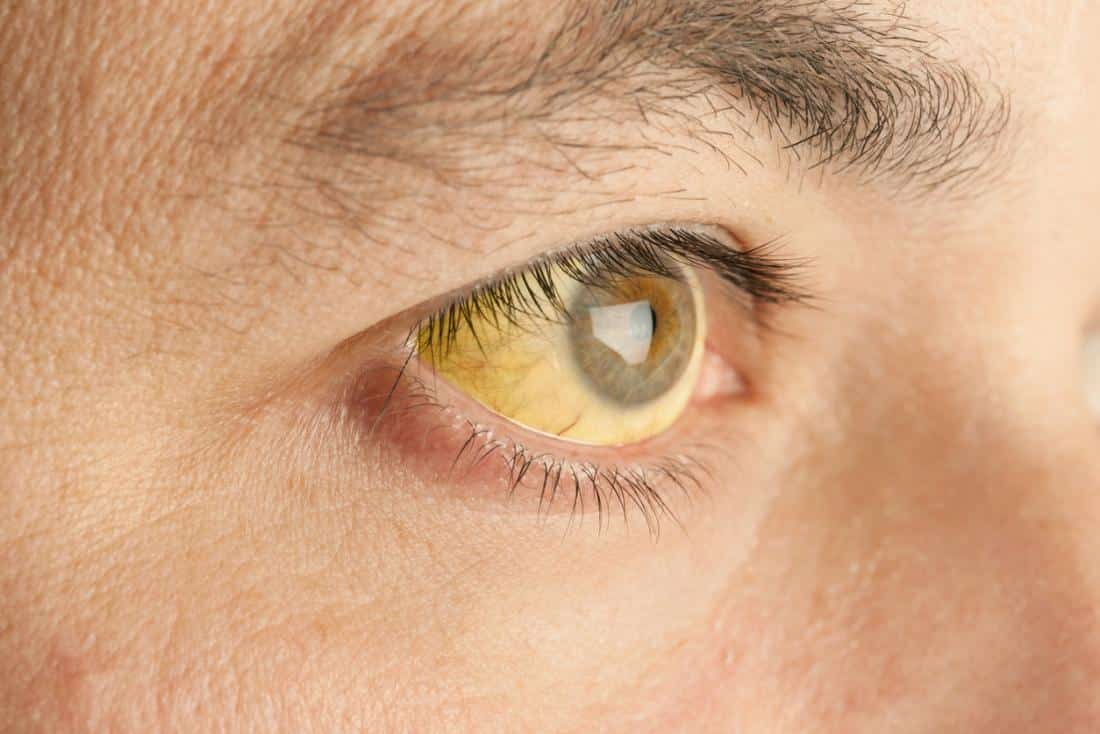
Yellowing of the eyes usually occurs when a person develops jaundice. Jaundice happens when hemoglobin (the component in red blood cells that carries oxygen) breaks down into bilirubin, which then accumulates in the skin and makes it appear yellow.
Yellow eyes may be caused by liver diseases such as acute hepatitis or liver infections. The Eye Center at Al Batal Specialized Complex in Jeddah is considered one of the leading centers in terms of luxury, design, and advanced medical and technical equipment, in addition to offering comprehensive diagnostic and therapeutic services in ophthalmology and eye surgery.
See also: Pterygium of the Eye | Everything You Need to Know About Pterygium in 2022
When Is Yellowing of the Eyes Considered Normal?
The whites of your eyes can turn yellow when your body contains an excess amount of a chemical called bilirubin. Bilirubin is a yellow pigment formed when red blood cells break down.
In many situations, this is not a problem in itself because the liver normally filters bilirubin from the bloodstream and uses it to produce bile, a digestive fluid.
When Is Yellowing of the Eyes Dangerous?
If you notice yellowing of your own eyes or the eyes of a family member, you should seek medical care at an eye clinic or a general medical facility immediately. The earlier the underlying cause is treated, the better the outcome.
If jaundice is due to an infection such as malaria or hepatitis C, you may need antibiotics, antifungal medications, or antiviral drugs, depending on the exact diagnosis.
See also: The Latest Vision Correction Techniques for Keratoconus
Mild Yellowing of the Eyes in Adults
The sclera (the white part of the eye) should normally appear bright white. If this part of your eye looks red, yellow, or otherwise discolored, you should see an ophthalmologist to determine the cause of the color change.
One form of discoloration of the front of the eye is called conjunctival icterus, the medical term for yellow eyes. Sometimes, the term scleral icterus is also used to describe yellowing of the whites of the eyes.
Yellow eyes are generally a sign of jaundice—a yellow discoloration of the skin and eyes caused by elevated levels of a pigment called bilirubin.
Jaundice can occur in newborns, children, and adults, although the underlying cause usually differs by age group. Jaundice itself is not a disease; it is a sign that the liver, gallbladder, or bile ducts are not functioning properly.
One of the liver’s essential roles is to clear bilirubin—an orange-yellow waste product formed from old or abnormally shaped red blood cells—out of the body. The onset of jaundice is often gradual and may go unnoticed at first, but it usually becomes visible initially in the whites of the eyes.
The liver is absolutely vital for human life; some patients may eventually require a liver transplant. Without a functioning liver, survival is not possible.
See also: Detailed Options for Retinal Surgery
Degrees of Yellowing in the Eyes
Different degrees of yellowing in the eyes can reflect different levels of bilirubin in the blood and may indicate various underlying conditions. Mild yellowing may be associated with benign or early-stage issues, while intense or rapidly progressing yellow discoloration often suggests more serious liver, gallbladder, or blood disorders that require urgent medical evaluation.
Complications Associated With Yellow Eyes
Yellowing of the eyes is a sign rather than a disease by itself, but if left untreated, the underlying cause can lead to complications such as liver failure, bleeding disorders, severe itching, malabsorption of nutrients, chronic fatigue, and even life-threatening conditions like advanced cirrhosis or pancreatic cancer. Prompt diagnosis and management can significantly reduce the risk of these complications.
Does Gallbladder Inflammation Cause Yellow Eyes?
Cholecystitis is inflammation and irritation of the gallbladder, a small organ located on the right side of your abdomen near the liver.
If a gallstone leaves the gallbladder and becomes lodged in the bile duct, it can block the flow of bile and cause jaundice.
One of the key symptoms of jaundice in this situation is yellowing of the skin and eyes.
My Experience With Yellow Eyes
One person reports:
When I went to see the doctor, he explained that the yellowish sclera, as I had noticed, can be a sign of jaundice. Jaundice happens when the level of bilirubin in the bloodstream goes up. It usually results from conditions that cause liver damage or impair its function.
Vaccination against hepatitis A and B does not protect against all forms of infectious hepatitis.
If the entire white part of both eyes appears yellow, jaundice is very likely, and the patient should be evaluated by an internal medicine specialist rather than just an eye doctor.
Causes of Dull or Faded Eyes
Stress and anxiety that lead to poor sleep can also affect the appearance of the eyes.
Dull, tired-looking eyes are usually not a serious problem and are often related to lifestyle factors such as spending long hours in front of screens or staying up late at night.
However, they may also be part of the natural aging process or associated with an underlying medical condition such as dry eye, anemia, or chronic illness.
Causes of Yellow Eyes
Yellowing of the eyes can occur when one or more of the following organs is not functioning properly: the liver, gallbladder, bile ducts, pancreas, or the blood system responsible for red blood cell production and breakdown.
Conditions Affecting the Liver
Cirrhosis is a common cause of impaired liver function. It can develop as a result of:
– Chronic viral hepatitis (such as hepatitis B or C)
– Long-term alcohol misuse
– Nonalcoholic fatty liver disease
– Autoimmune hepatitis
– Prolonged exposure to certain toxins or medications
Genetic Conditions
Some inherited disorders are believed to cause or accelerate cirrhosis and may lead to jaundice and yellow eyes, including:
– Hemochromatosis (iron overload)
– Wilson’s disease (copper accumulation)
– Alpha-1 antitrypsin deficiency
– Certain familial cholestatic syndromes
A person with yellow eyes may also experience one or more of the following symptoms, depending on the underlying cause and degree of yellowing:
– Fatigue and weakness
– Abdominal pain or swelling
– Loss of appetite and weight loss
– Dark urine and pale or clay-colored stools
– Itching of the skin
– Nausea or vomiting
See also: Sterile Eye Drops: Information and Everything You Need to Know
Conditions Affecting the Gallbladder
The liver produces bile, which is then collected and stored in the gallbladder. The gallbladder releases bile to help the body digest fats.
The gallbladder is connected to the liver through small tubes called bile ducts. Jaundice can occur if these bile ducts become blocked by:
– Gallstones
– Inflammation or scarring of the bile ducts
– Tumors in or near the bile ducts or pancreas
– Strictures (narrowing) of the ducts due to previous surgery or infection
Blockage of the gallbladder or bile ducts can also cause:
– Severe pain in the upper right side of the abdomen
– Fever and chills (in cases of infection)
– Dark urine and light-colored stools
– Nausea and vomiting
Conditions Affecting the Pancreas
The pancreas is an organ that produces hormones (such as insulin) and digestive enzymes.
If the pancreatic duct becomes inflamed, infected, or blocked, this can lead to jaundice. Pancreatic cancer is one of the serious conditions that may cause such a blockage.
When bilirubin builds up due to pancreatic or bile duct obstruction, it can cause:
– Dark urine
– Yellowing of the skin and eyes
– Itchy skin
– Unexplained weight loss and abdominal or back pain (in some cases)
See also: Eye Twitching – Causes, Diagnosis, and Treatment
Blood Disorders
If red blood cells are destroyed too rapidly or bilirubin is not processed and excreted properly, yellowing of the eyes can occur.
For this reason, conditions that affect the lifespan or production of red blood cells can lead to jaundice, including:
– Hemolytic anemia
– Sickle cell disease
– Thalassemia
– Certain autoimmune diseases
– Reactions to some medications or toxins
Treatment of Yellow Eyes
The treatment of yellow eyes focuses on addressing the cause of jaundice. Depending on where the problem arises, jaundice is often classified into three main categories.
Pre-hepatic Jaundice (Before the Liver)
This type of jaundice develops when the body breaks down an excessively large number of red blood cells, producing more bilirubin than the liver can handle. The excess bilirubin accumulates in the body.
In this case, the liver itself may still be structurally normal; the main issue is the high rate of red blood cell destruction.
Pre-hepatic jaundice occurs in conditions such as malaria and sickle cell anemia. Treatment focuses on the underlying disease—for example, antimalarial drugs for malaria or specific therapies for sickle cell disease and other hemolytic anemias.
Hepatic (Intrahepatic) Jaundice
This type of jaundice occurs when the liver is directly damaged or inflamed. It is often caused by infections such as viral hepatitis.
Antiviral medications can help treat viral hepatitis, reduce liver inflammation, control the infection, and thereby remove the source of jaundice and prevent further complications.
Other treatments may include lifestyle changes, avoiding alcohol and hepatotoxic drugs, and medications to manage autoimmune or metabolic liver diseases.
See also: Corneal Abrasion Treatment – How to Treat a Scratched Eye
Gallbladder and Biliary Conditions
If jaundice is caused by blocked bile ducts, gallstones, or inflammation of the gallbladder, the doctor may recommend surgical removal of the gallbladder (cholecystectomy) or procedures to open or stent the obstructed bile ducts.
In some cases, endoscopic procedures (such as ERCP) are used to remove stones or relieve obstruction without open surgery.
Symptoms of Yellow Eyes
Medical attention should be sought as soon as possible if a person notices yellowing of the eyes accompanied by any of the following symptoms, as they may indicate a serious condition. The degree of yellowing can vary depending on the cause, but you should be particularly alert if there is:
– Sudden or intense yellowing of the skin and eyes
– Severe abdominal pain, especially in the upper right side
– Persistent nausea or vomiting
– High fever and chills
– Confusion, drowsiness, or changes in consciousness
– Dark urine and very pale stools
– Unexplained weight loss
Summary
Yellowing of the eyes is most commonly caused by jaundice. Although jaundice is not always a major problem, some of its underlying causes can significantly disrupt daily life and may lead to long-term complications if untreated.
Once the root cause is identified and properly managed, the yellow discoloration of the eyes often gradually improves.
If yellowing of the eyes is noticed—especially when accompanied by other symptoms such as visual fatigue, abdominal pain, or dark urine—it is important to visit the Eye Center at Al Batal Specialized Complex in Jeddah or consult an appropriate medical specialist to obtain an accurate diagnosis and the right treatment.
See also: Loxtra Eye Drops – Side Effects, Symptoms, and Everything You Need to Know
Book an Appointment at the Eye Clinic – Al Batal Specialized Center in Jeddah, Saudi Arabia
You can schedule an appointment with the ophthalmology clinic at Al Batal Specialized Center in Jeddah to evaluate any changes in eye color, vision problems, or associated symptoms. Early assessment helps in diagnosing liver, gallbladder, blood, or eye conditions before they progress.
Common Questions About Jaundice and Yellow Eyes
What is the name of the test for bilirubin (jaundice)?
The main test is a blood test called a “bilirubin test” or “serum bilirubin level.” It may be part of a liver function test (LFT) panel.
Is jaundice in adults contagious?
No, jaundice itself is not contagious. However, some of the underlying conditions that cause jaundice—such as certain types of viral hepatitis—can be contagious.
What should a person with jaundice eat?
In general, a person with jaundice is advised to:
– Follow a balanced diet rich in fruits, vegetables, and whole grains
– Limit fatty, fried, and processed foods
– Avoid alcohol completely
– Drink adequate fluids (unless restricted by a doctor)
Diet should be tailored according to the specific liver or gallbladder condition, so it is important to follow a physician’s or dietitian’s advice.
How do I know if my bilirubin level is high?
A bilirubin level is considered significantly elevated when it rises above the normal range. Clinically, when total bilirubin exceeds about 1.2 mg/dL (or as defined by the lab) it is above normal, and noticeable jaundice often appears when levels are markedly higher, for example above 2–3 mg/dL. The exact threshold can vary between laboratories. Your doctor will interpret the result in context.
When does yellowing of the eyes go away?

Jaundice usually resolves once the underlying condition is treated and the liver and biliary system start functioning properly again.
Anyone who notices yellowing of their eyes should talk to a doctor promptly to determine the cause and start appropriate treatment.