Med info
Tooth Decay in Children: Causes, Symptoms, and Treatment

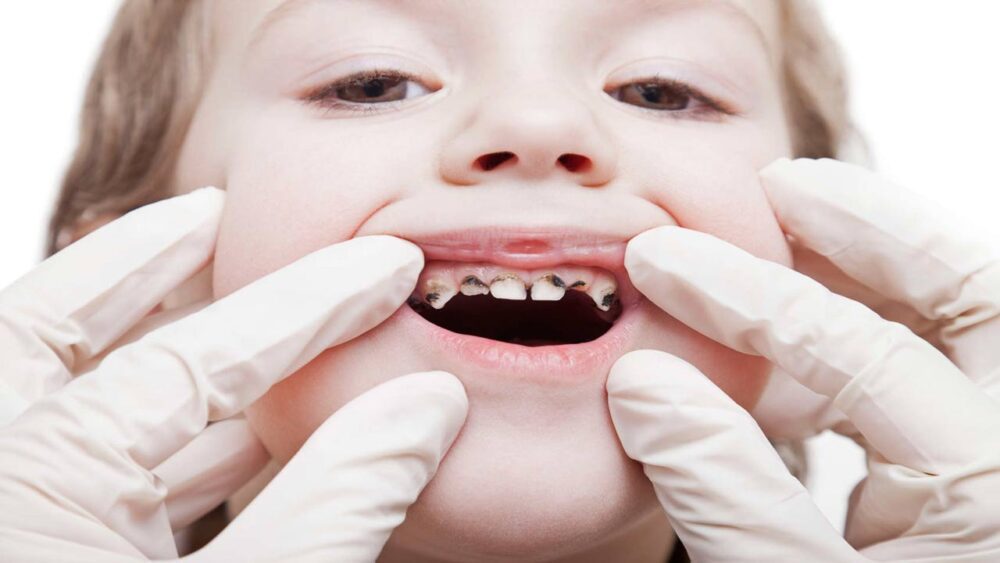
Tooth decay in children, often called cavities, is one of the most common dental problems in toddlers and young kids. Cavities are also referred to as dental caries. A cavity is a permanently damaged area in a tooth, and it can develop in your child’s primary (baby) teeth.
You might be tempted to ignore a cavity in a baby tooth, thinking your child will eventually lose that tooth anyway. However, cavities in baby teeth should never be ignored. Below is what you need to know about tooth decay in children, including the most common causes, treatment options, and prevention tips from Batal Specialized Center.
You may also like: Treating Dental Abscesses with Pictures: Causes and Symptoms
Tooth decay occurs when dental plaque builds up on the tooth’s enamel and starts to erode it, forming a hole. Plaque is a sticky film that coats the teeth and forms when bacteria in the mouth combine with food particles, acids, and saliva. Since regular brushing and flossing can prevent plaque buildup, cavities often develop when children do not brush their teeth properly.
Children should brush their teeth for at least two minutes, twice a day. However, some kids only brush once a day—or worse, forget to brush altogether. Also, children generally cannot clean their teeth effectively on their own until about age 6.
It’s important for an adult to brush the child’s teeth or closely supervise brushing until the child is old enough to do a thorough job. In addition, many children either don’t floss or don’t floss correctly.
Cavities can also develop when plaque and food particles are not removed from between the teeth. Flossing can be difficult for young children, so parents need to help with this crucial step as well.
Keep in mind that good oral hygiene also includes regular dental checkups. Just as adults should see the dentist every six months, you should schedule routine dental visits for your children by contacting us via our unified number, WhatsApp, or the contact form on our pages. Of course, poor oral hygiene isn’t the only cause of cavities; diet plays a major role too.
The risk of tooth decay is higher if your child frequently consumes sweet, sugary, or starchy foods that are high in carbohydrates (ice cream, cakes, candy, cookies, chips, etc.). Although more research is needed, some people may also be genetically more prone to cavities due to having softer tooth enamel.
You may also like: Dental Crowns and Implants
What Should You Do If Your Child Has Tooth Decay?
Tooth decay does not always cause pain, which can make it difficult to spot a cavity in your child’s mouth. Signs that may indicate a possible cavity include:
– White, brown, or black spots or lines on the teeth
– Holes or pits in the teeth
– Tooth sensitivity to hot, cold, or sweet foods and drinks
– Complaints of tooth pain or discomfort when chewing
– Bad breath that doesn’t improve with brushing
If you suspect your child has a cavity, schedule an appointment with a pediatric dentist at Batal Specialized Center. The dentist will examine your child’s teeth for signs of decay and then recommend treatment based on how advanced the cavity is.
You may also like: Types of Fixed and Removable Dental Prostheses and How to Care for Them – The Complete 2022 Guide
Treatment of Tooth Decay in Children
Dental fillings are very common in toddlers and young children who have one or more cavities. Fillings can be placed in both permanent teeth and baby teeth. During the procedure, the dentist removes the decayed portion of the tooth and then fills the space with a white composite material or a metal filling. Filling a cavity in a baby tooth helps save and preserve that tooth.
Keeping baby teeth healthy and in place is important. Losing baby teeth too early can cause permanent teeth to erupt in the wrong position. Baby teeth also play a key role in helping your child chew properly and develop clear speech. Dentists routinely perform fillings for children and even very young toddlers—sometimes as young as one or two years old.
In cases of severe tooth decay, the dentist may recommend placing a dental crown, which is often silver-colored for baby teeth. In some situations, if the tooth is badly damaged or infected, it may need to be extracted. If your child’s baby tooth is removed, the dentist will usually keep the space open with a space maintainer, which helps guide the permanent tooth into the correct position.
Getting very young children to sit still for dental procedures can be quite challenging. Some dentists use nitrous oxide (laughing gas) to help kids relax during treatment.
The dentist will still need to give a local anesthetic injection to numb the gums, but laughing gas makes the experience much easier. In some cases, the dentist may also prescribe oral sedation before the appointment to help calm the child. If your child has multiple cavities, the dentist may suggest splitting treatment over several visits.
While this means more trips to the dental office for you, it can be easier on your child, who won’t have to sit in the dental chair for a long period at once. In certain situations, your dentist might recommend performing dental treatment under general anesthesia, where your child is fully asleep. This is usually considered for very young children, those with many cavities, or children who have difficulty staying still during treatment.

You may also like: Laser Teeth Whitening: Cost and Benefits
Book an appointment at Batal Dental Clinic in Saudi Arabia.