Med info
Causes, Symptoms, and Treatment of Nasolacrimal Duct Obstruction

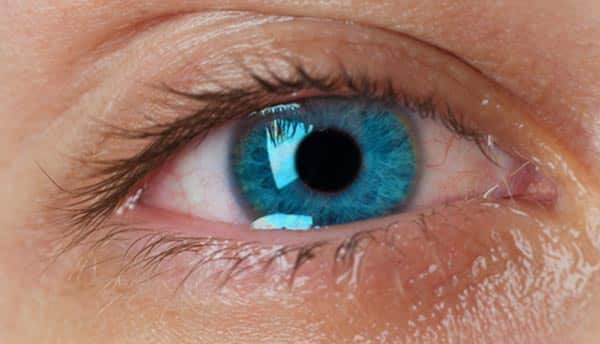
Nasolacrimal duct obstruction refers to a blockage in the tiny channels that drain tears from the inner corner of the eye into the nose. In children, the most common reason for a blocked tear duct is that the nasolacrimal duct has not had enough time to fully develop. Once the tear duct finishes developing, the problem usually resolves on its own within a few weeks or months after birth.
In some cases, a blocked tear duct in infants can be related to other eye problems. If your baby’s eye becomes red or irritated, or if the baby is rubbing the eye frequently, it is important to visit the Eye Center at Al-Batal Specialized Complex in Jeddah, where the experienced medical team can provide the most appropriate treatment options for your child’s eyes.
Read also: Can Eyelids Be Tightened Without Surgery?
Causes of Nasolacrimal Duct Obstruction in Children
Nasolacrimal duct obstruction is very common in infants. The main cause is that the tear duct is not fully developed by the time the baby is born. This can affect one eye or both eyes. Structural abnormalities of the eye or eyelids can also cause a blocked tear duct, but these cases are quite rare.
The surface of the eye is kept moist by the tear film, which is essential to protect the delicate ocular surface from damage. Tears also help wash away dust and debris from the eye. The lacrimal glands continuously produce a small amount of tears, which flow onto the eye.
When we blink, the eyelids spread the tears evenly across the eye’s surface. Excess tears drain through the small channels of the nasolacrimal duct into the nose. There are also small glands in the eyelids called Meibomian glands that secrete a thin oily layer, which helps protect and stabilize the tear film on the eye.
Read also: Everything You Need to Know About Tear Duct Obstruction in Children
What Are the Symptoms of a Blocked Tear Duct?
When the nasolacrimal duct is blocked, tears build up on the surface of the eye, causing persistent watering or tearing. It may take a week or two after birth for the lacrimal glands to start producing tears, so symptoms may not appear immediately. The symptoms often worsen when the child has a cold or in cold weather.
Sometimes after sleep, the affected eye may appear sticky or crusted, although the white part of the eye (the sclera) still looks healthy and clear. Mild redness of the eye may appear and disappear due to slight inflammation, which typically does not require treatment. However, this mild inflammation can sometimes progress to an infection of the outer surface of the eye (conjunctivitis), which will then cause the eye to look red and inflamed.
Infection can also develop in the lacrimal sac, where tears collect between the inner corner of the eye and the nose. This is known as dacryocystitis and usually causes redness, swelling, and tenderness in the area between the inner corner of the eye and the side of the nose.
In most children, a blocked nasolacrimal duct resolves spontaneously within a few weeks after birth as the duct completes its development. However, in some cases, the blockage can persist for several months or even longer.
If the blocked tear duct is causing significant discomfort for the child, or if it has not improved by around 12 months of age, the child should be evaluated at the Eye Center in Al-Batal Specialized Complex in Saudi Arabia to address the problem appropriately.
Read also: How Much Does Eyelid Lift Surgery Cost?
What Treatments Are Available for a Blocked Tear Duct?
Gentle massage of the tear duct area can help promote drainage of tears. Using a clean finger, apply light pressure to the area beside the inner corner of the child’s eye, then move the finger downward along the side of the nose. This maneuver should be repeated regularly, about 5–10 times a day, as it may help clear the blockage and allow excess tears to drain.
If the child’s eye is sticky or has crusts, it can be gently cleaned with sterile gauze. Moisten the gauze with sterile water (boiled water that has been allowed to cool) and carefully wipe away the discharge. In some cases, antibiotic eye drops may be prescribed to treat conjunctivitis. Infection of the lacrimal sac (dacryocystitis) requires treatment with oral antibiotics.

If the tear duct remains blocked at around 12 months of age, the doctor may refer the child to an ophthalmologist at the Eye Center in Al-Batal Specialized Complex in Jeddah for further evaluation and possible intervention. Booking an appointment at Al-Batal Specialized Complex is the best step to ensure proper diagnosis and treatment.
Read also: Under-Eye Bags | Causes, Symptoms, Diagnosis, and Treatment