
Med info
Lazy Eye Surgery | Can Laser Eye Surgery Fix Amblyopia?

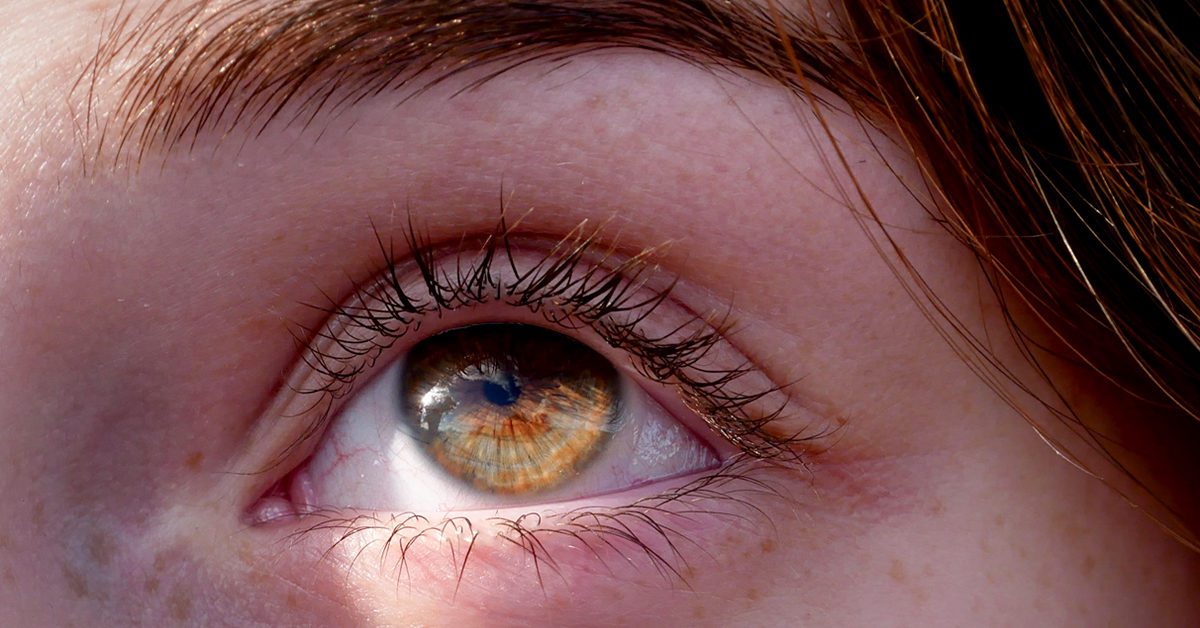
As one of the most common visual conditions, lazy eye affects around 2–3% of children in their early years. One of the key questions that often comes up is whether laser eye surgery can fix a lazy eye and restore normal vision. To answer this properly, we first need to understand exactly what we mean by “lazy eye” and how it differs from other visual conditions.
(Symptoms of lazy eye in adults)
What Is Lazy Eye Surgery?
Lazy eye (the medical term is **amblyopia**) occurs when the eye and the brain do not work together properly. The term itself can be misleading, because the problem is more neurological than purely related to the structure of the eye.
There are two main causes often associated with amblyopia:
1. **Strabismus (eye misalignment)**
This is when the eyes are not aligned properly. One eye may turn inward, outward, upward, or downward. Because the eyes are not pointing in the same direction, the brain receives two different images. To avoid double vision, the brain starts to ignore the image coming from the misaligned (weaker) eye, which over time leads to amblyopia.
2. **Refractive amblyopia (anisometropia)**
This happens when there is a significant difference in refractive error between the two eyes (for example, one eye is much more nearsighted, farsighted, or astigmatic than the other). The brain tends to favor the clearer image from the stronger eye and suppresses the blurrier image from the weaker one. Over time, this suppression can cause reduced vision in the weaker eye.
When Does Lazy Eye Develop?
As mentioned earlier, about 2–3 out of every 100 children are born with some type of visual imbalance between their eyes.
If this imbalance is left untreated, it can progress to amblyopia over time. Refractive errors or eye misalignment can often be managed in childhood using glasses, contact lenses, or eye patches to stimulate the weaker eye.
However, by around the age of seven, many of the visual pathways between the eyes and the brain have largely developed. If amblyopia has not been treated effectively before this age, it may be too late to fully reverse it, and the lazy eye often persists into adulthood.
(Causes of lazy eye)
Can Laser Eye Surgery Correct a Lazy Eye?
Once these brain–eye pathways are established, amblyopia generally cannot be reversed by any treatment, including laser eye surgery. That is because the visual deficit stems from how the brain processes signals from the eye, not just from the optical focus of the eye itself. No amount of corneal reshaping will change how the brain uses those neural pathways.
Laser eye surgery **can** be used to correct refractive errors (such as nearsightedness, farsightedness, and astigmatism) in a lazy eye, just as it can in any other eye. However, if the brain is still not using that eye effectively, improving its optical focus alone may not produce a dramatic improvement in functional vision.
That said, if you have a lazy eye and currently rely on glasses or contact lenses, laser eye surgery may reduce or eliminate your dependence on them, giving you the same level of vision you have now, but without corrective lenses. This is why many patients with amblyopia still choose to undergo laser vision correction, even though it does not fix the underlying neurological problem.
What We Need to Consider
It is important to remember that every case is different, and only an ophthalmologist can give you an accurate assessment of your condition.
In cases where the lazy eye is not drastically weaker, some surgeons may prefer to operate only on the better-seeing eye to correct its refractive error. You should also keep in mind that although laser eye surgery is generally very safe, like any surgical procedure it carries a small risk of complications, especially given the high precision of the technology and the delicacy of the eye.
The Exception That Proves the Rule
There is one situation in which laser eye surgery may play a role in treating or preventing lazy eye.
If one eye has significantly more **myopia (nearsightedness)**, **hyperopia (farsightedness)**, or **astigmatism** than the other, the brain may gradually start to ignore the blurrier eye. This can either contribute to amblyopia in childhood or cause functional suppression and even strabismus later in life.
Correcting this difference with glasses can sometimes be difficult because the unequal magnification between the two lenses can lead to **aniseikonia** (a difference in perceived image size between the two eyes). This can be uncomfortable and may not provide a long-term solution.
Contact lenses are often a better option in such cases because they reduce image size differences. However, they are not suitable for everyone and still may not be ideal in all circumstances.
In some patients, laser eye surgery can be an optimal way to correct the underlying refractive imbalance between the two eyes. By reducing or eliminating the difference in prescription, it may help prevent or reduce suppression of the weaker eye and therefore decrease the risk or impact of amblyopia. If you are at risk of developing a form of amblyopia when not wearing glasses or contact lenses, this approach might be appropriate.
To determine whether this applies to you, you would need a thorough assessment and consultation about laser eye surgery options. In general, laser eye surgery cannot “cure” established amblyopia, but it can help prevent further visual confusion at the level of optical focus and can reduce dependence on glasses or contact lenses.
What Is Lazy Eye in Children?
Amblyopia, also known as lazy eye or wandering eye, is a major vision problem in children. In most cases of amblyopia, your child’s brain suppresses or “ignores” the image coming from one eye, so the other eye becomes the dominant one.
Over time, the brain learns to rely on only one eye, while the other eye, which is being ignored, does not develop normal visual acuity.
If your child receives treatment while they are still young and their vision system is still developing, there is a very good chance of improving vision in the weaker eye and correcting any associated squint (strabismus). The goal of treatment is to train your child’s brain to use both eyes together so that they function as a team.
The older the child gets, the harder this becomes. Treatment is most effective in early childhood and is much less likely to succeed if started after about 7–10 years of age.
If left untreated, amblyopia can prevent your child from developing normal vision. It affects about 2–5% of children.
Symptoms of Lazy Eye
Symptoms of amblyopia in children can include, but are not limited to:
– Squinting or closing one eye
– Poor depth perception (difficulty judging distances)
– Tilting the head or turning the face to use one eye more than the other
– Frequently bumping into objects or clumsiness
– Difficulty with reading or focusing on close tasks
– Obvious eye misalignment (strabismus) in some cases
It is important to note that some children may show **no obvious symptoms** of lazy eye. The stronger eye and the brain may compensate so well that the child appears to see normally, making the problem easy to overlook without an eye exam.
علاج كسل العين للبالغين
(Treatment of lazy eye in adults)
Causes of Lazy Eye
Amblyopia develops because one eye provides weaker visual input early in life. Since the brain receives a consistently poorer image from that eye, it gradually starts to ignore or suppress its input. Over time, the visual system fails to develop properly in that eye, and the two eyes do not function together as they should.
Anything that significantly blurs or blocks vision in one eye during the critical period of visual development can cause amblyopia. Common causes include:
– **Strabismus (eye misalignment)**
– **Unequal refractive errors (anisometropia)** – one eye more nearsighted, farsighted, or astigmatic than the other
– **Visual deprivation** – such as congenital cataract, droopy eyelid (ptosis), corneal opacity, or anything that obstructs light from entering the eye
Complications of Lazy Eye
Amblyopia usually affects just one eye. When it first develops, there may be no obvious sign that something is wrong, especially if the other eye sees well. This is why the cause often goes unnoticed for some time.
Because of this, regular eye examinations in infancy and early childhood are critical, even if there are no outward signs of eye problems.
The American Optometric Association recommends that children have eye exams at:
– Around **6 months** of age
– **3 years** of age
– Then every **two years**, or as advised, from ages **6 to 18**
Untreated amblyopia can lead to:
– Permanently reduced vision in one eye
– Poor depth perception
– Increased risk if the good eye is ever injured or develops disease
Treatment of Lazy Eye
The earlier treatment begins, the better the outcome. This is because it is easier to improve communication between the eye and the brain while the visual system is still developing.
The type of treatment depends on the underlying cause and how much it affects your child’s vision. Common options include:
– **Corrective lenses (glasses or contact lenses)** to fix refractive errors
– **Eye patching** of the stronger eye to force the brain to use the weaker eye
– **Atropine eye drops** in the stronger eye to temporarily blur it and stimulate use of the weaker eye
– **Surgery** in cases of strabismus or cataract to correct the structural problem, followed by visual rehabilitation
Whatever the specific visual defect or eye problem, amblyopia is a precise medical condition that requires careful evaluation to determine the most appropriate treatment. This should be done by a skilled and experienced ophthalmologist in a reputable eye clinic, using effective diagnostic tools and technology.

Whatever eye condition you are dealing with, you can book a comprehensive eye evaluation at a specialized center every few months if needed, to detect any issues early and begin addressing vision problems of any level of severity as soon as possible.