Med info
Causes of Eye Irritation and How to Treat It

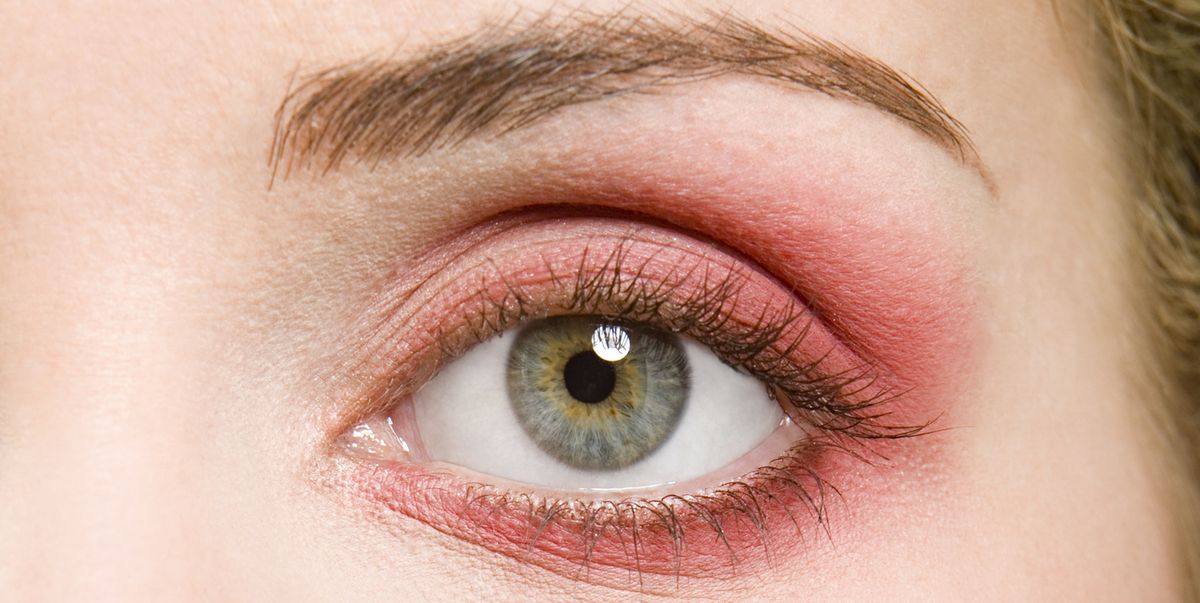
Eye irritation can happen for many different reasons. Because your eyes are very sensitive, it’s easy for them to get irritated. While eye irritation is sometimes a sign of a more serious health problem, it isn’t always dangerous.
What Are the Causes of Eye Irritation?
Irritants
Your eyes can become irritated by substances in the air or on things around you, such as your clothes or bedsheets. Common irritants include dust, detergents, soaps, disinfectants, oils, perfumes, solvents, and more.
Read also: Learn about the causes of dry eye
Allergies
You may have seasonal allergies or be allergic to certain substances that make your eyes feel irritated. Allergies are very common: more than 50 million Americans suffer from some form of allergy each year. In fact, allergies are the sixth leading cause of chronic illness in the United States.
Read also: Causes of nearsightedness (myopia)
Foreign Bodies
A foreign object in your eye can lead to irritation. For example, a small insect, a speck of dust, or a piece of dirt may get stuck in your eye and cause discomfort.
Computer Vision Syndrome
Blue light from computer screens and other digital devices can irritate your eyes over time. To help prevent this, eye doctors often recommend the “20-20-20 rule”: every 20 minutes, look away from your screen at something about 20 feet away for at least 20 seconds.
Eye Infections
Eye infections can cause significant irritation. You may develop an eye infection after touching your eyes with unwashed or dirty hands.
Read also: Nystagmus of the eye: causes, symptoms, treatment, and everything you need to know
Glaucoma
Glaucoma is a group of eye diseases that damage the optic nerve. It usually occurs when fluid builds up in the front part of the eye and increases the pressure inside the eye (intraocular pressure), which harms the optic nerve. Glaucoma may be more common than you think; it is actually a leading cause of blindness in people over 60. Fortunately, vision loss from glaucoma can often be prevented with early treatment.
Read also: Treatment of amblyopia in adults: types, causes, and symptoms of “lazy eye”
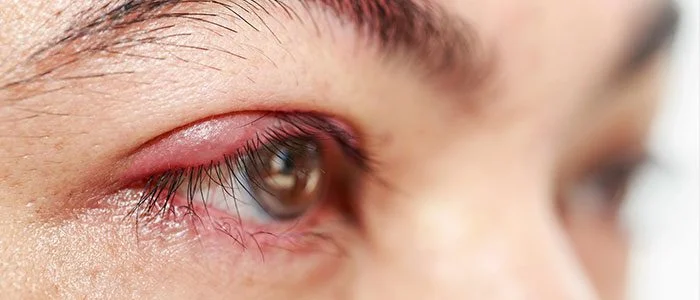
Eye irritation
Non‑Eye Conditions That Can Cause Eye Irritation
You can also experience eye irritation due to medical conditions that don’t primarily affect the eyes. The most important ones include:
Cluster headaches:
Cluster headaches are severe headaches that occur in groups or “clusters.” They typically present as a series of very intense headaches that can happen several times a day and may last for weeks or months. These headaches can also affect the eyes and cause irritation or pain around or behind the eye.
Arthritis:
Rheumatoid arthritis and other autoimmune forms of arthritis can lead to conditions such as dry eye, where your eyes don’t produce enough tears. This can cause redness and irritation. Arthritis can also lead to scleritis, an inflammation of the sclera (the white part of the eye), which can be painful and serious if not treated.
Multiple sclerosis (MS):
A common complication of multiple sclerosis is optic neuritis, which is inflammation of the optic nerve. Optic neuritis usually affects one eye and can cause pain with eye movement, blurred or reduced vision, and loss of color vision. In most cases, vision gradually returns; however, some residual symptoms may persist, especially when you are tired or have a fever. Rest and cooling measures usually help vision stabilize again.

Read also: Causes of yellow eyes: everything you need to know about degrees of eye yellowing
If you are experiencing any of the causes of eye irritation mentioned above, you can consult an ophthalmologist at Batal Specialized Medical Center by booking an appointment to get the proper evaluation and care for your eyes.