
Med info
Blocked Tear Duct in Children: Causes and Treatment 2026

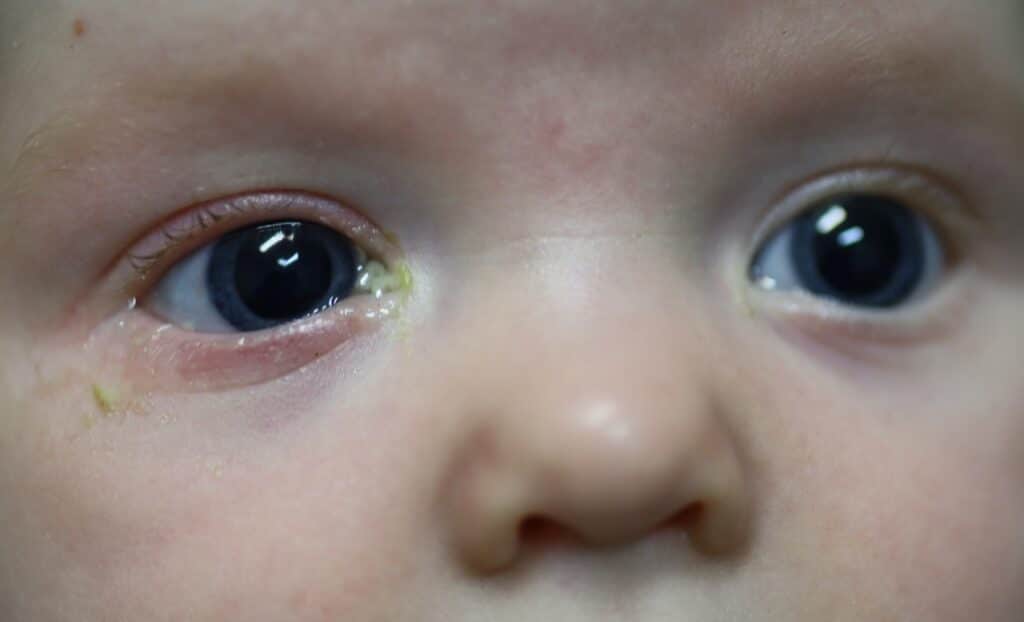
Blocked tear ducts in children have become a relatively common issue, especially in newborns. In most cases, the problem resolves on its own without treatment by the time the child turns one year old. However, in some children the tear duct remains blocked, making it difficult for tears to drain properly. In this article, we will review the causes, symptoms, and treatment options for blocked tear ducts in children.
What Is a Blocked Tear Duct?
A blocked tear duct is a condition in which the eye cannot drain tears normally. This leads to eye irritation and can cause a partial or complete blockage of tear outflow. Tear duct obstruction may develop due to factors such as viral infections or tumors in older children and adults. In infants, however, it is often a normal developmental issue that usually resolves within the first 12 months after birth.
Symptoms of a Blocked Tear Duct in Infants and Children
A blocked tear duct in newborns can be difficult to recognize because they do not produce visible tears for several weeks after birth. Still, there are certain signs that may point to a blocked tear duct, such as:
The original text did not list the symptoms, so they are left implied here, as in the source.
Causes of a Blocked Tear Duct in Infants and Young Children
The causes of tear duct obstruction differ between newborns, children, and adults. In newborns, the main reason is that the nasolacrimal duct (tear duct) has not fully developed yet, or has developed abnormally. In addition, heredity can play a key role in predisposing a child to blocked tear ducts.
In many cases, the obstruction clears spontaneously without any medical intervention, as the duct opens on its own. For this reason, it is usually recommended to wait until the child is between 6 and 12 months old before considering a surgical procedure to open the tear duct.
See also: Causes of Eye Irritation and How to Treat It
How Is a Blocked Tear Duct Diagnosed in Children?
Ophthalmologists typically start with a clinical eye examination to diagnose a blocked tear duct in children. This is often followed by a dye disappearance test, which is a painless procedure used to confirm whether there is an obstruction. Based on the results, the physician determines if the child has a blockage and then chooses the most appropriate treatment approach.
Treatment Options for Blocked Tear Ducts in Children
Once symptoms of a blocked tear duct appear in infants or children, doctors may use several treatment methods, including:
Surgery
There are three main types of surgical procedures commonly used to treat blocked tear ducts in children:
The original Arabic text did not detail the three types, so they are left general here.
Eye Drops
Antibiotic eye drops are a well‑known treatment option for blocked tear ducts in infants and children, especially if there are signs of infection. In cases of more severe infection, oral antibiotics may also be prescribed. It is essential to consult a specialist before using any eye drops or antibiotics.
Massage
This treatment involves massaging the inner corner of the child’s nose (near the tear duct) by pressing with a finger about 10 times in a row, at least four times a day. This technique can help encourage the blocked tear duct to open and improve tear drainage.
Advanced Techniques for Treating Blocked Tear Ducts in Children
Laser treatment of blocked tear ducts, using multipolar laser technology, is considered one of the latest and most comfortable techniques for opening the tear drainage system. This method has been used in several European countries and in the United States in recent years. It allows treatment of the obstruction under local anesthesia without making an external skin incision, provided there is no blockage or damage in the surrounding soft tissues, which must be structurally intact.
See also: LASIK for Astigmatism | Facts, Treatment Options, and Benefits
Tips to Help Prevent Blocked Tear Ducts
At Batal Specialized Medical Center, we recommend the following important tips that may help reduce the risk of developing a blocked tear duct:
The original text references tips but does not list them, so they are kept implicit here.
See also: 8 Tips to Avoid Eye Strain During the Coronavirus Pandemic
At the end of this article, we have reviewed blocked tear ducts in children, their main causes, and key treatment options. You can rely on Batal Specialized Medical Center for the management of blocked tear ducts in infants and children using advanced medical techniques.
Frequently Asked Questions
Is a blocked tear duct in children dangerous?
In most newborns, a blocked tear duct is not considered dangerous. It usually resolves on its own without treatment during the child’s first year of life.
How is a blocked tear duct treated in children?
Treatment often involves observation and tear duct massage. In many children, the condition improves over time, especially when proper massage techniques are used to help open the narrow duct. If the child does not improve, a surgical procedure may become necessary.
How can I tell if my child’s tear duct is blocked?
You may suspect a blocked tear duct if you notice any of the following in your child:
The original Arabic text referenced signs but did not list them at this point.
How do I know if my child’s tear duct is obstructed?

Signs that may indicate a blocked tear duct in your child include persistent tearing, redness of the eye, fever, crusting around the eyelids, or the presence of mucus‑like or pus‑like discharge.
Sources: