
Med info
What Causes Drooping of the Upper Eyelid?

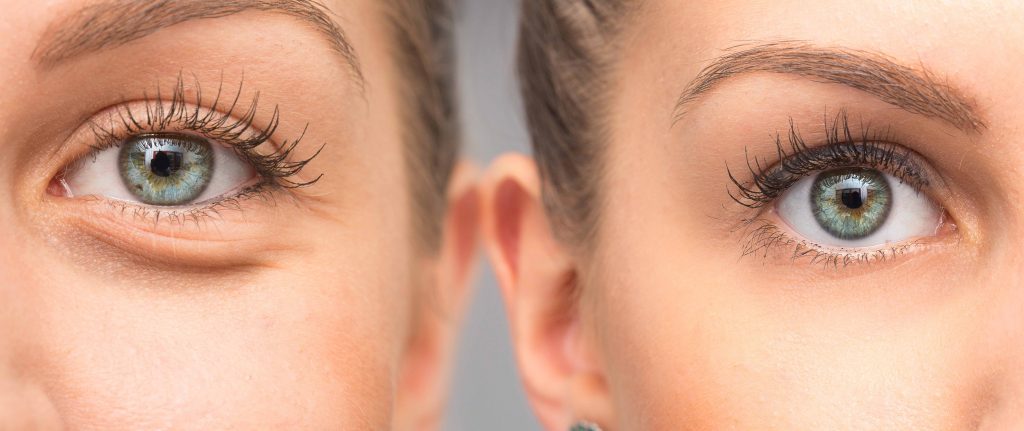
Drooping of the upper eyelid, medically known as ptosis, is a condition that can interfere with vision. It is more common in older adults, but it can also occur in children. Ptosis may affect one eye or both eyes at the same time. You can visit the Eye Center at Al Batal Specialty Complex in Jeddah to identify the causes of upper eyelid drooping and receive appropriate treatment. Surgery is considered the most common treatment option.
Read also: What to Expect from Eyelid Cosmetic Surgery?
Symptoms of Upper Eyelid Drooping
The most noticeable sign is the visible drooping of the upper eyelid. Other symptoms may include:
Children with upper eyelid drooping may experience additional symptoms such as:
Read also: Deep-Set Eye Cosmetic Surgery | Surgical Options and Non-Surgical Techniques
Causes and Risk Factors of Upper Eyelid Drooping
In adults, upper eyelid drooping is often related to the natural aging process, as aging can weaken the eyelid muscles. In some cases, people are born with droopy eyelids, a condition known as congenital ptosis. This may result from problems in the brain or nerves that lead to weakness in the eyelid muscles. Other causes of upper eyelid drooping include eye tumors, diabetes, cancer, neurological disorders, and cosmetic Botox injections.
Read also: Can I Get Rid of My Glasses? A Complete Guide to Vision Correction Alternatives
Diagnosis
An ophthalmologist at the Eye Center in Al Batal Specialty Complex in Jeddah will diagnose upper eyelid drooping by examining the eyelids and measuring their height and muscle strength. A computerized visual field test may be performed to determine whether the person’s vision is within normal limits. During this test, the patient is asked to look at a series of flashing lights inside the device without moving their eyes, and to press a button each time they see a light.
Read also: What Are the Risks of Eyelid Lift Surgery You Should Know About?
Treatment of Upper Eyelid Drooping
If an adult is not having any visual difficulties and is not bothered by the appearance of their eyelids, treatment for upper eyelid drooping may not be necessary.
The most common treatment for upper eyelid drooping is a surgical procedure called ptosis repair. The surgeon numbs the area around the eyelid with a local anesthetic, then makes a small incision in the skin of the upper eyelid. The eyelid muscle can then be tightened to lift the lid, and the incision is closed with sutures.
Ptosis repair may also involve removing excess eyelid skin. In some cases, the eyebrows are lifted surgically as well. Surgery is usually very successful for patients with upper eyelid drooping and can significantly improve both vision and appearance.
Read also: Tips to Speed Up Recovery After Cosmetic Eyelid Surgery

One of the main causes of upper eyelid drooping is weakness of the levator muscle (the muscle that lifts the upper eyelid). This weakness may be due to natural aging or certain medical conditions. The causes of upper eyelid drooping can be treated surgically with corrective procedures at the Eye Center in Al Batal Specialty Complex in Jeddah, Saudi Arabia. Prescription eye drops may also be used for some adults with age-related eyelid drooping.
Read also: Symptoms, Causes, and Treatment of Nasolacrimal Duct Obstruction in Adults