Med info
Everything You Need to Know About Periodontal Pockets

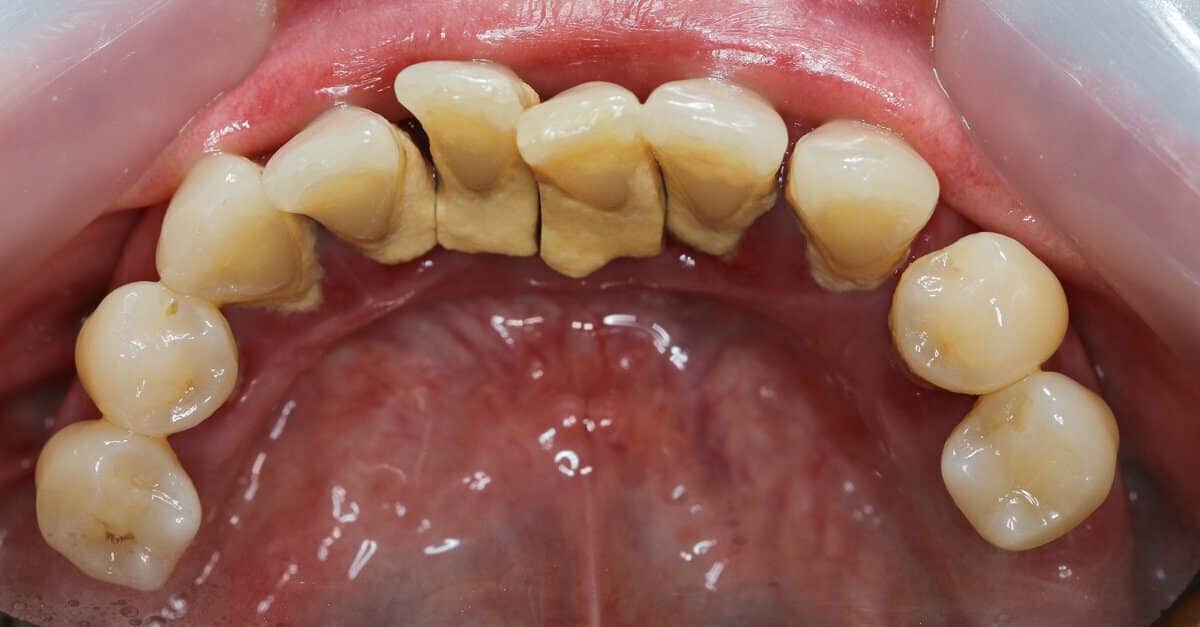
Gum pockets, or periodontal pockets, are spaces or gaps that form around the teeth below the gumline. These pockets can become filled with bacteria that cause infection. Periodontal pockets are one of the signs of periodontal disease (gum disease), which is a serious oral infection.
Gum pockets can be treated and even reversed with good oral hygiene and proper dental care. However, when left untreated, they can lead to tooth loss. Keep reading to learn more about periodontal pockets, treatment options, prevention, and the modifiable risk factors you can control.
Also read: Treatment of Dental Abscess with Pictures – Causes and Symptoms
What Exactly Are Periodontal Pockets?
Normally, teeth are held firmly in their sockets by the gum tissue and the underlying bone. When you develop gum disease, these tissues can start to break down, creating gaps known as periodontal pockets.
These pockets can trap and retain bacteria, which then damage the jawbone that supports the teeth. Periodontal pocket depth is measured in millimeters (mm), and not every pocket is immediately harmful.
Also read: Dental Filling Prices in Jeddah and Types of Dental Fillings
The formation of a periodontal pocket usually starts with gingivitis, which is inflammation of the gums caused by plaque buildup in the mouth. Plaque is a sticky film composed of bacteria and food debris that forms on the teeth. It can be removed with daily brushing and flossing. When plaque is not removed, it can lead to:
If gingivitis is not controlled, it can progress to periodontal disease, which has several stages of severity. Advanced stages of gum disease are referred to as periodontitis.
During this process, plaque continues to destroy the gum tissue and eventually the bone, causing the pockets around the teeth to deepen and widen.
Also read: Best Dentist in Jeddah
What Are the Risk Factors for Periodontal Pockets?
If you do not floss and do not brush at least twice a day, your risk of gum disease increases significantly. This risk can be even higher if your diet is high in sugar. Sugary foods and drinks speed up tooth decay and gum inflammation.
Other risk factors include:
Also read: Root Canal Diseases
How Are Periodontal Pockets Diagnosed?
Your dentist will measure the space between your gums and teeth using a periodontal probe. This instrument measures pocket depth in millimeters (mm). The depth and size of the periodontal pocket help determine which treatments are needed.
If the space between your tooth and gum is between 1–3 mm, it is considered normal and healthy.
Since a toothbrush cannot effectively reach deeper than about 3 mm, a pocket depth of 4 mm can be a cause for concern. In such cases, your dentist will assess the condition of your gums. If they bleed or appear red, swollen, or inflamed, a periodontal pocket may have formed and may require professional cleaning or other treatments.
Periodontal pockets that need treatment can range from about 5 mm to as deep as 12 mm. Pockets deeper than 5 mm are usually too deep to clean with regular home care and generally require more advanced procedures.
However, even very small, microscopic pockets can harbor bacteria that continue to grow and damage your oral health. If the pocket is deep and there are signs of bone loss, your dentist will take a dental X‑ray to determine the extent of damage to the tooth-supporting structures.
Also read: Best Dental Clinics in Jeddah
Treatment of Periodontal Pockets
Professional Cleaning for Treating Periodontal Pockets
Smaller pockets measuring around 4–5 mm can often be reduced with professional dental cleanings combined with strict oral hygiene at home. Your dentist will recommend brushing and flossing at least twice a day.
You may also be given an antibacterial mouthwash. These measures help remove plaque and tartar (calculus) from around the teeth and reduce gum inflammation.
Scaling and Root Planing: The Gold Standard for Treating Periodontal Pockets
This non-surgical dental procedure can be performed using a laser, an ultrasonic scaler, or manual instruments such as curettes and scalers. Scaling and root planing remove bacteria, plaque, and tartar from around the teeth and smooth the root surfaces so the gum tissue can reattach more firmly to the tooth.
This tightening of the tissue helps reduce pocket depth. In some cases, an antibacterial gel is placed directly into the pocket to target bacteria and decrease inflammation. Your dentist may also prescribe systemic antibiotics or an antimicrobial mouth rinse to further lower bacterial levels after the procedure.
Also read: Orthodontic Braces
How Can I Prevent Periodontal Pockets?
Whatever the underlying cause, lifestyle habits play a major role in preventing gum disease and periodontal pockets. To help prevent these pockets from forming, try the following:
Also read: Pain in a Tooth When Biting After Filling – What’s the Cause?
Why Do I Need a Periodontist for Scaling and Root Planing?
The reason is straightforward: there is no permanent “cure” for gum disease. Any completed treatment must be evaluated for effectiveness and monitored for recurrence.
In addition, your at-home care routine needs to be assessed and adjusted if necessary to maximize the benefits of treatment and reduce the chances of the disease returning.
What Is Gum Disease (Gingivitis / Periodontitis)?
Gum disease is an infection that affects the structures surrounding the teeth. These include the gums, the periodontal ligament, the cementum covering the root, and the alveolar bone.
In its earliest stage, gingivitis, you may notice bleeding and inflammation limited to the gums. Over time, deeper areas of bone can become involved, which is then called periodontitis. At this stage, the gums may start to recede from the teeth, forming pockets that collect bacteria and debris.
If left untreated, the final result can be tooth loss as the supporting bone continues to deteriorate.
Can I Put Off Gum Treatment?

If your dentist has recommended periodontal treatment, it is important to begin as soon as possible. Without intervention, the infection will keep damaging the gums and eventually the bone that holds your teeth in place.
Delaying treatment by even a few months may mean you’ll need more extensive, more expensive procedures later on—and may result in avoidable tooth loss.