
Med info
Tooth Contouring | How Can It Improve My Smile?

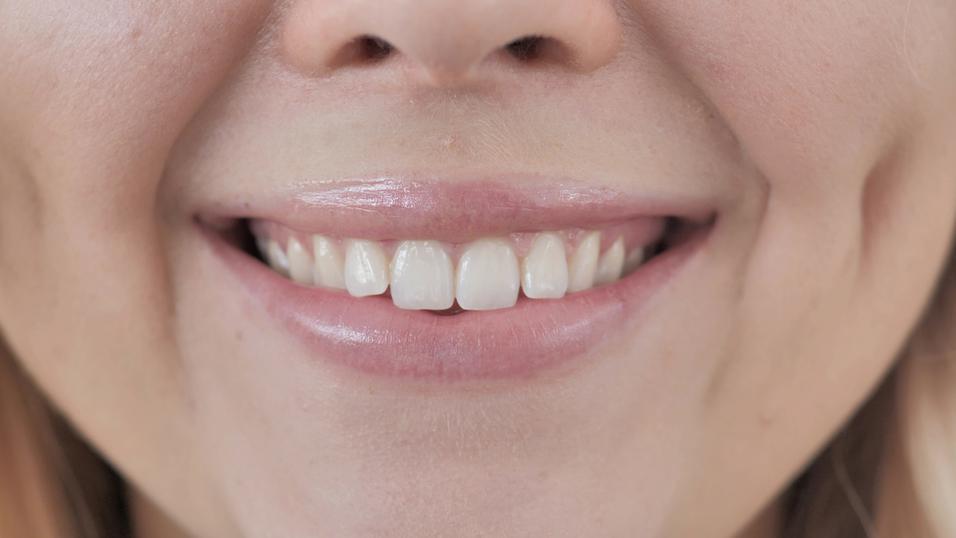
Tooth contouring, as the name suggests, is the reshaping of the teeth. It’s considered a cosmetic dental procedure and is known in the field as tooth reshaping, enameloplasty, or cosmetic enamel contouring. The process involves removing small amounts of tooth enamel to improve the tooth’s surface, shape, or length. Contouring is used to address a number of common issues, including chipped, cracked, or slightly crooked teeth.
If you’re hoping to enhance your smile by correcting minor imperfections, tooth contouring may be the right option for you. From permanent stains to small chips and hairline cracks, contouring can help correct these minor flaws and improve your smile. The procedure is also used to manage other dental issues such as slight tooth overlap, mild crowding, and teeth that are unusually shaped or sized. While these problems are often considered minor, leaving them unaddressed can lead to concerns later on.
Tooth contouring is a non‑surgical procedure that can correct these issues and improve the appearance of your smile. As an added bonus, contouring doesn’t require spending several hours in the dental chair to achieve the smile you’ve always wanted.
Also read: Everything You Need to Know About Periodontal Pockets
Are You a Good Candidate for Tooth Contouring?
Tooth contouring, also known as tooth reshaping, is a straightforward procedure. If you think contouring may address your concerns, the process begins with an initial evaluation to determine whether you’re a good candidate. This assessment is comprehensive and often includes dental X‑rays to check the position and size of the tooth pulp.
After the examination, if your dentist confirms that your teeth are healthy and that you have enough enamel to safely perform the procedure, and that you are a suitable candidate for tooth contouring, your appointment for the treatment will be scheduled.
Also read: Zoom Teeth Whitening Technique – How It Works and Whether It’s Right for You
The Tooth Contouring Procedure
During tooth contouring, your dentist will carefully reshape your teeth by removing very small amounts of enamel. Doing so improves the shape and size of the tooth and, in turn, your overall smile. The entire procedure may take less than 30 minutes and is often performed in conjunction with dental bonding, which uses a tooth‑colored resin specifically matched to complete the reshaping process.
At your appointment, the tooth or teeth to be treated will be marked with a pencil or marker to highlight the areas that will be adjusted. Tooth enamel is composed of minerals and does not contain nerves or blood vessels, so no anesthesia or pain medication is typically required to complete the procedure.
Your dentist will use specialized tools—such as a dental sanding disk, fine diamond bur, or laser—to gradually remove small amounts of enamel from the tooth surface. Small fractures or cracks and minor chips are smoothed out, and edges are rounded or squared off as needed. The teeth are shaped and smoothed on all necessary surfaces. Once the procedure is complete, your dentist will check your bite to ensure proper alignment. The dentist will then further smooth and polish your teeth, giving you the desired aesthetics and an enhanced smile.
Also read: When Does Pain Go Away After Wisdom Tooth Extraction? Important Information 2022
Benefits of Tooth Contouring
One of the key benefits of tooth contouring is that the procedure is non‑surgical. It is a simple, straightforward cosmetic treatment, which makes it more affordable than many other options for correcting chips, cracks, or mild tooth overlap. In addition, it is generally painless and does not require anesthesia or pain medication, and it is often completed in a single visit—making it an ideal choice for patients who feel anxious about dental appointments.
Because tooth contouring can improve slightly crooked or overlapping teeth, it may help reduce the risk of future tooth decay and the need for more extensive (and more expensive) dental work. The procedure also offers an immediate improvement in your smile, and the results are permanent—meaning the reshaped areas generally do not require additional work later on.
While tooth contouring offers many benefits, like any dental procedure it also has its pros and cons. When considering any treatment, each patient, together with their dentist, should carefully weigh whether the advantages outweigh the potential drawbacks in their particular case. Your dentist can help you make the most appropriate decision.
Among the advantages of tooth contouring are:
What Is Bonding and Why Is It Done with Tooth Reshaping?
Combining dental bonding with tooth reshaping can fill small chips and gaps between teeth, add to the tooth’s shape, and improve tooth color. Bonding involves applying a putty‑like resin material that adheres to the tooth and then hardens. The resin is color‑matched to your natural teeth or slightly enhanced in shade to provide the best cosmetic result.
Before applying the resin, the dentist will gently roughen the tooth surface with a rotary instrument (similar to a Dremel tool) to help the bonding material adhere properly. This step can cause some sensitivity, so your dentist may numb the area. They may also apply a conditioning liquid that further improves the bond between the resin and the tooth surface.
After the resin is placed and shaped, a curing light is used to harden it. Bonding typically takes about 30 to 60 minutes per tooth. If more than one tooth is being treated, multiple appointments may be needed.
Also read: Dental Crowns and Implants
Is Tooth Contouring a Painful Procedure?
Why Would I Need Tooth Contouring?
You might feel dissatisfied with the appearance of your smile because of excess or uneven tooth structure that could look better with gentle reshaping. Contouring can refine the teeth to create a more balanced, harmonious smile.
What Kind of Reshaping Does Contouring Achieve?
Tooth contouring addresses a variety of concerns, including:
– Improving the appearance of teeth that look longer than the others
– Creating a more even, level tooth line for a uniform look
– Softening jagged, pointed, or sharp teeth
– Gently improving the look of slightly overlapping teeth without the need for orthodontic treatment
Can Contouring Improve the Texture of My Tooth Surface?
Yes. If your teeth have a pitted or rough surface, for example, we may be able to gently smooth and polish the outer layer as long as doing so does not compromise your oral health. In some cases, more significant texture or structural issues may require restorative or more advanced cosmetic treatments such as porcelain veneers.
What Types of Improvements Can You Make to My Teeth?
Tooth contouring can improve a wide range of cosmetic concerns. For instance, if you have teeth that appear very pointed or have rough, uneven edges, contouring can refine their shape and texture. If you’re dealing with pitted or irregularly textured enamel, we may be able to smooth that as well.

Some patients simply dislike the overall shape or length of their teeth and want a more symmetrical, uniform smile. In many cases, we can achieve these goals—and more—through careful, conservative contouring.