
Med info
Zirconia Dental Crowns | Types, Benefits, Advantages, Drawbacks, and How Long They Last

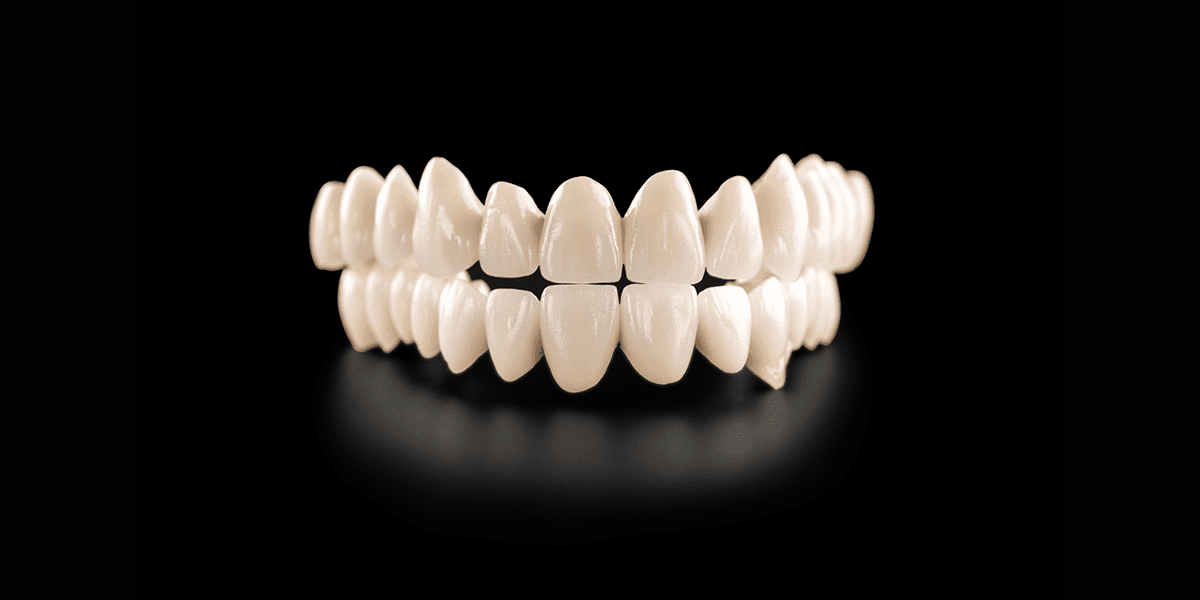
A dental crown is a common treatment used to restore damaged teeth. It is often used for temporary tooth restoration and to cover severe decay, heavy discoloration, and fractures in natural teeth. There are many materials available for restorative dental procedures; the most common are metals, porcelain, resin, and ceramics. Zirconia has been gaining popularity due to its many proven advantages.
Reasons for Getting a Zirconia Dental Crown
Several factors can cause your teeth to wear down or break. Tooth decay, injuries, and natural aging are among the main causes of tooth damage. Grinding your teeth (bruxism), a misaligned bite, and chewing on hard objects can also cause teeth to lose their shape or reduce in size.
Getting a zirconia crown will not make your natural tooth grow back, but it will prevent further decay and improve the appearance of the damaged tooth. Your dentist may use a dental crown to address a number of oral problems, the most common of which include:
Zirconia is a relatively new material in dental treatments. It is a type of ceramic—more specifically, zirconium dioxide—stronger than porcelain and some metal alloys, and it develops fewer sharp edges from normal “wear” over time. Zirconia crowns tend to exert less pressure and cause less damage to opposing teeth compared with porcelain crowns. Porcelain can sometimes act like sandpaper against other teeth and lead to enamel wear. This is one of many reasons dentists may recommend zirconia for certain dental procedures.
Also read: Laser Teeth Whitening Cost and Benefits
Types of Zirconia Used for Dental Crowns
Among the different ceramic materials currently available, dentists tend to favor two main types of zirconia for restorative work. They often prefer zirconia frameworks and full-contour zirconia for crowns and bridges. Both are viable alternatives to porcelain-fused-to-metal (PFM) crowns and full-metal restorations.
A zirconia framework is often the best choice for multi-unit anterior and posterior bridges. When this versatile material is layered with porcelain or glass ceramics, it can closely resemble natural teeth. Full-contour zirconia, on the other hand, works best as a monolithic restoration (a crown made entirely from a single block of zirconia).
Also read: Children’s Teeth
Benefits of Getting a Zirconia Crown
Zirconia is the most durable monolithic ceramic currently used in dentistry. It is a ceramic material manufactured without added glass components. Compared with glass ceramics and resin-based composite materials, zirconia is more fracture-resistant, harder, and stronger overall.
These properties help prevent chipping and cracking, both in the crown itself and in the surrounding or underlying teeth. Zirconia also offers superior protective capacity and can withstand higher biting and chewing forces without compromising the integrity of your smile.
Also read: Orthodontic Braces
Drawbacks of Using Zirconia for Dental Crowns
Despite its strength and its relatively gentle effect on opposing teeth, zirconia crowns do have some disadvantages. On its own, the material can be difficult to match perfectly to the natural shade and translucency of your teeth. To achieve a more lifelike appearance, zirconia often needs to be layered or coated with other materials, such as porcelain.
According to a recent survey conducted by the American Dental Association, 57% of dentists reported issues with the translucency of zirconia. More than 50% of respondents also mentioned challenges related to adjusting and troubleshooting zirconia restorations.
How Long Does a Zirconia Crown Last?
Most dental crowns last between five and fifteen years when properly cared for. Their lifespan depends heavily on your oral hygiene and daily habits. For example, if you grind your teeth while sleeping, you may need a replacement sooner than someone who does not.
Other habits that can shorten the lifespan of a zirconia crown include:
Also read: My Experience With Immediate Dental Implants
Why Do I Need a Crown After a Root Canal?
A root canal procedure is performed to remove infected or damaged nerve tissue from inside the tooth. After a root canal, the tooth no longer contains nerves or blood vessels. Without these structures, the tooth becomes dry and brittle over time.
Placing a crown helps ensure the tooth remains strong enough to withstand normal biting and chewing forces. The crown also seals the area where the nerve was removed, helping to prevent bacteria from re-entering and causing a new infection.
Will People Be Able to See My Crown?
In most cases, it is very difficult for others to tell which tooth has a crown. Dentists spend considerable time and effort matching the color of the crown to your natural teeth, and they typically place the margin of the crown at or slightly below the gum line for a more natural appearance.
Is Getting a Crown Painful?

No. Before the procedure begins, your dentist will make sure the tooth and surrounding area are completely numbed with local anesthesia so you do not feel pain during the crown preparation and placement.