
Med info
Symptoms of retinal detachment that require urgent intervention


What is retinal detachment and why are its symptoms serious?
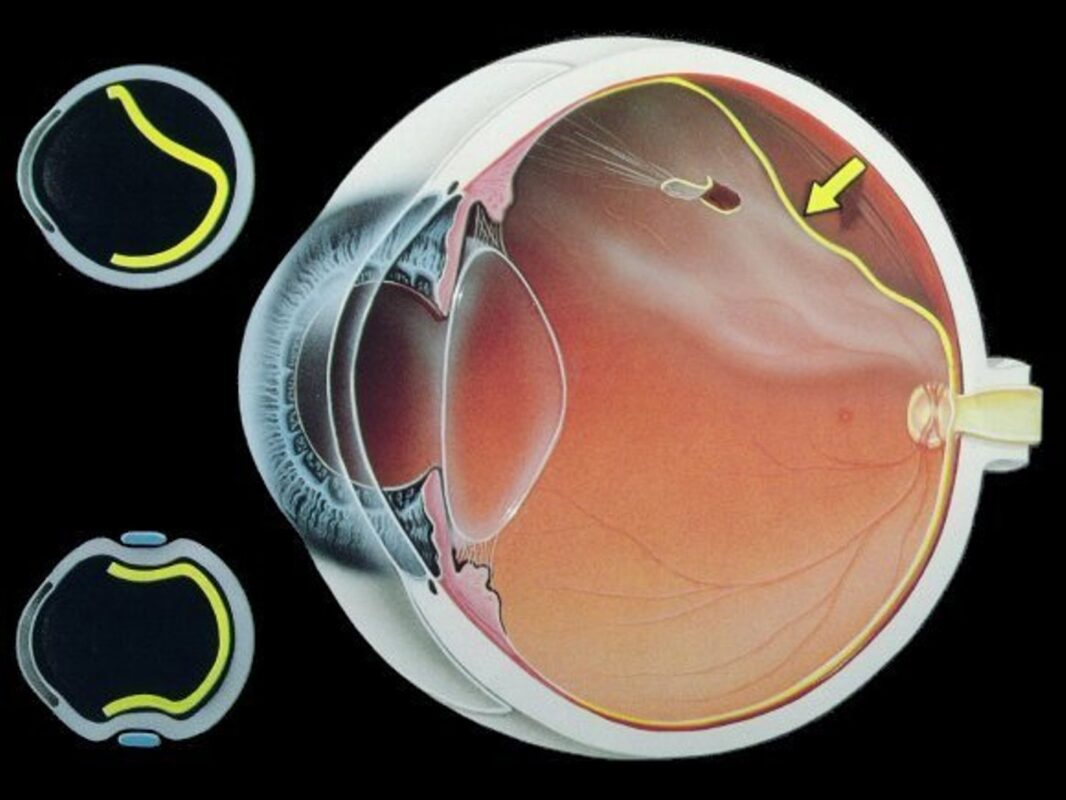
Retinal detachment is a medical emergency that occurs when the retina, the light-sensitive layer at the back of the eye responsible for forming an image, separates from the supporting layer, which is rich in blood vessels that supply it.When retinal detachment occurs, blood and oxygen supply to visual cells begins to decline, exposing these cells to permanent damage and vision loss if rapid intervention is not performed.The seriousness of the symptoms of retinal detachment is that they may begin suddenly in the form of seeing flashes of light, the appearance of floaters and an increase in floating objects in the field of vision, or the feeling of a black shadow resembling a “curtain” covering part of the field of vision.Ignoring these symptoms or delaying consulting an ophthalmologist may lead to a rapid deterioration in visual acuity, and may lead to permanent blindness in the affected eye.Therefore, early recognition of the symptoms of retinal detachment and seeking immediate medical help are among the most important factors in saving vision and maintaining eye health in the long term.
Symptoms of retinal detachment that require urgent intervention
Early symptoms
Flashes of Light (Flashes)
Flashes of light are one of the most important early symptoms of retinal detachment that require urgent intervention.
The patient feels sudden flashes or sparks of light that resemble the brightness of lightning, and they often appear at the edges of the field of vision, especially in dark places or when moving the eye.
These flashes are caused by the vitreous tightening on the retina or the onset of a tear, making it an early warning sign of
Possibility of retinal detachment.
If frequent or sudden flashes of light appear, you should see an ophthalmologist immediately, because early intervention may prevent the condition from developing into complete retinal detachment and permanent vision loss.
Floaters (Floaters)
Floaters are small dark dots, threads, or shapes that appear to float in front of the eye, moving with eye movement and moving away when you try to focus on them.
Although floaters may become normal with age, their sudden appearance, or their frequent appearance, in a different way than usual, is a symptom of retinal detachment that requires urgent intervention.
An increase in the number of floaters or the appearance of large, cobweb-like floaters or dense black spots may indicate vitreous hemorrhage or retinal tear.
It is recommended not to neglect any sudden change in the floaters and to see an ophthalmologist immediately to evaluate the retina and ensure its safety.
A sensation of oscillation or movement inside the eye
The patient’s sensation of oscillation, strange movements, or a feeling of instability inside the eye may be related to changes in the vitreous pressing on the retina.
If this sensation is accompanied by flashes of light or increased floaters, it increases the possibility of a tear or the onset of retinal detachment.
This symptom may seem vague to some, but it is an early sign that requires urgent evaluation by a retinal specialist, especially in people at risk of retinal detachment, such as those who have had previous eye surgeries or suffer from severe myopia.
Early diagnosis at this stage helps a lot in avoiding serious complications and maintaining visual acuity.
Advanced symptoms
The appearance of a shadow or “black curtain”
The appearance of an opaque shadow or what looks like a “black curtain” descending from the top or side of the field of view is one of the classic signs of advanced retinal detachment that requires urgent and immediate intervention.
The patient feels as if part of his vision is gradually being blocked, and may start at the tip of the eye and then extend towards the middle if treatment is not done quickly.
This symptom often indicates that part of the retina has already separated from the back wall of the eye, which directly threatens permanent vision loss if surgical intervention is delayed.
If you feel any dark shadow or curtain in your field of vision, you should go directly to the emergency department or eye doctor without waiting.
Loss of side vision
Sudden or gradual loss of lateral vision (peripheral vision) is an advanced symptom of retinal detachment.
The patient may notice difficulty seeing objects from the sides, or feel that the field of vision has become narrower than usual.
When the retina separates from the extremities first, lateral vision is affected before central vision, making this symptom an important warning that calls for urgent evaluation.
Neglecting to lose side vision may later affect central vision, which is responsible for reading and precise discrimination, so it is necessary to consult an ophthalmologist immediately upon noticing this symptom.
sudden blurred vision
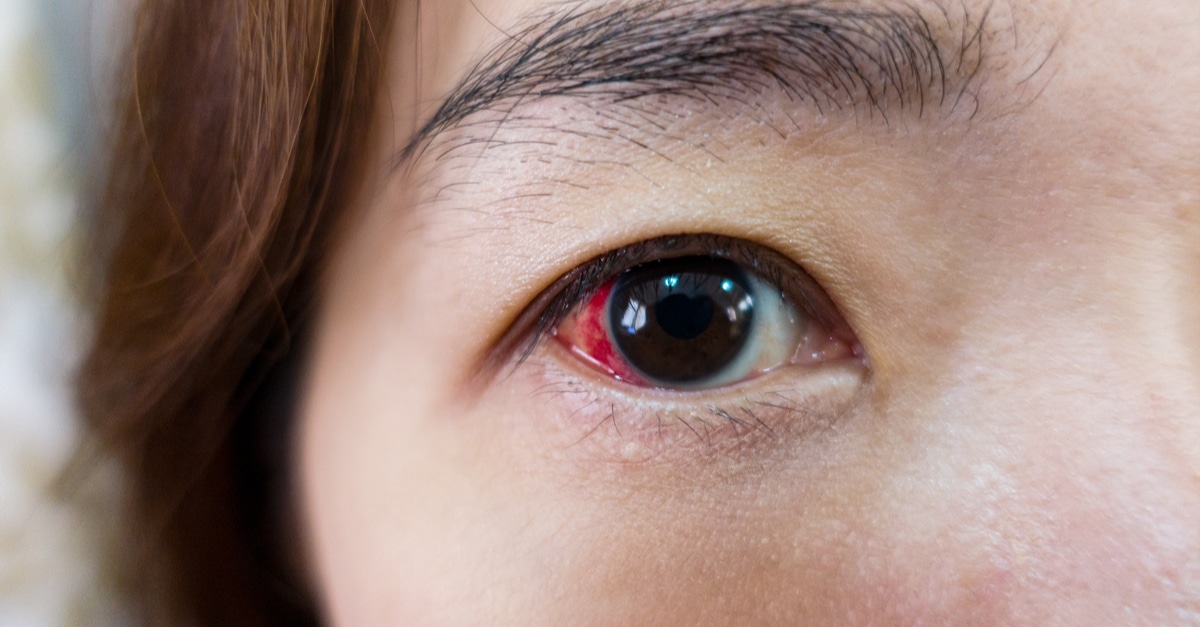
Sudden blurred vision, especially in one eye, may be a sign that retinal detachment is developing from an early stage to a more advanced stage.
The patient may describe vision as blurry, or as if there is a distorted transparent layer covering the eye, which does not improve significantly with wearing glasses or cleaning lenses.
If this confusion is accompanied by flashes, floaters, or loss of part of the field of view, the probability of retinal detachment is higher and requires urgent retinal examination using mydriasis.
Sudden confusion should not be considered a simple or temporary symptom, but rather a serious symptom that requires a quick visit to the ophthalmologist to avoid permanent vision loss.
Very urgent symptoms
sudden loss of vision
Sudden loss of vision in one eye is one of the most serious symptoms of retinal detachment, requiring urgent and immediate intervention in the emergency department.
Loss may occur completely or almost completely, within minutes to hours, especially if the separation reaches the area of the macula responsible for central vision.
Every minute of delay at this stage increases the risk of not regaining vision even after surgery, so this symptom is considered a first-degree medical emergency.
If sudden vision loss occurs, do not drive or wait, and go directly to the nearest hospital or eye doctor who specializes in retinopathy.
Rapid increase in floaters
A rapid and sudden increase in the number of floaters, especially if they appear as a cloud of small black dots or as “black rain”, is a very emergency symptom.
This increase often indicates intravitreal bleeding or severe retinal tear that requires urgent evaluation and treatment.
When an increase in floaters is accompanied by flashes of light or a deterioration in visual acuity, the likelihood of an actual retinal detachment increases.
This condition should not be postponed to the next day or to a regular appointment, but rather requires an urgent visit to the ophthalmologist or emergency department.
Covering part of the field of view
The patient’s feeling that part of the field of vision has become covered or opaque, whether from above, below, or from one side, is an emergency symptom of retinal detachment.
Some liken this view to the appearance of a large black spot or curtain covering a quarter or half of the field of view, and the area of the dark area may increase over time.
This symptom often indicates that a large portion of the retina has already separated, and the remaining field of view is threatened if surgical intervention is not performed promptly.
If you notice any abnormal coverage in your field of vision, you should immediately see an ophthalmologist, as speed of treatment is the most important factor in preserving the remaining vision.
When should you see a doctor immediately?
Urgent medical help should be sought and you should immediately go to an ophthalmologist or emergency department if you experience any of the sudden symptoms of retinal detachment, such as seeing strong, recurring flashes of light in one or both eyes, noticing a sudden and large increase in black floaters (black dots or threads moving in the field of vision), or feeling a black shadow or dark curtain descending over part of the field of vision.It is also necessary to see a doctor immediately if sudden blurred vision occurs, part of the lateral vision is lost, or distorted or distorted images are seen, especially in people who are more susceptible to retinal detachment, such as diabetics, severe nearsightedness, and those who have undergone previous eye surgery or suffered a direct eye injury.The earlier retinal detachment is diagnosed and treated, the greater the chance of saving vision and reducing serious complications, so any severe or sudden change in vision should not be neglected and wait until it goes away on its own.
Causes of retinal detachment and their relationship to the appearance of symptoms
Retinal tear
Retinal rupture is the first and most common step in the series of causes of retinal detachment and its relationship to the onset of symptoms. A tear occurs when thin retinal tissue is cut or punctured, allowing fluid inside the eye to seep behind the retina and push it away from the eye wall, initiating gradual separation. At this stage, the patient may notice symptoms such as seeing sudden flashes of light, or the appearance of black or transparent floating objects in abundance in the field of vision, which is one of the most important symptoms of early retinal detachment that alerts to the presence of a tear. The larger the retinal tear or the larger it is located in a central area close to the macula, the greater the likelihood of a detachment developing and severe blurred vision or loss of part of the visual field. Therefore, early detection and treatment of retinal tears is a crucial factor in preventing the development of causes of retinal detachment and reducing its complications on vision.
Risk factors that increase the likelihood of symptoms appearing
Symptoms of retinal detachment, such as seeing flashes, flying flies, and sudden fog, are more likely to occur in some groups with specific risk factors. Severe myopia is one of the most prominent risk factors, especially in those who have had laser vision correction surgeries or who have severe retinal thickness impairment. The risk of retinal detachment also increases after a severe eye or head injury, or after eye surgeries such as cataract surgery, especially if they are accompanied by complications. Aging, especially after age 40, and a family history of retinal detachment or retinopathy also increase the likelihood of developing symptoms. Also, patients with uncontrolled diabetes, high blood pressure, and diseases that affect the small blood vessels in the eye are more susceptible to changes in the retina that may end in separation. Understanding these factors and monitoring any sudden change in vision helps in early detection of symptoms of retinal detachment and improves the chances of rapid intervention and vision protection.
Do the symptoms of retinal detachment disappear without treatment?
No, the symptoms of retinal detachment do not go away on their own without treatment, but rather often get worse over time and may lead to permanent vision loss if intervention is not done quickly. Symptoms of retinal detachment usually appear in the form of sudden flashes of light, a pronounced increase in floating objects (flying flies), or the appearance of a dark curtain or shadow in the field of vision, and these warning signs should never be ignored. Some patients may notice that symptoms subside slightly or recur intermittently, but this does not mean that the retinal detachment has healed, but rather it may be an indication that the retina continues to be damaged or the detachment worsens. The medical explanation is that the retina is a sensitive tissue that does not heal on its own upon separation, but rather requires urgent intervention such as laser or surgery to reattach it and preserve vision. Therefore, if you notice any symptoms of retinal detachment, you should immediately go to an ophthalmologist or emergency department and not wait for the symptoms to improve on their own, because delaying treatment of retinal detachment greatly reduces the chances of regaining vision.
Treatment options and their impact on symptoms to serve the intent of the research
Laser and freezing (for early stages)
In the early stages of retinal detachment or when there are minor tears in the retina, laser therapy (photocoagulation) or freezing (cryotherapy) is used to stop the development of the problem and reduce symptoms before it turns into complete detachment.
The laser creates small burn points around the tear area of the retina, creating a stable barrier that prevents fluid from leaking under the retina and limits the increased flashes of light and flying flies that the patient may feel.
Freezing treatment targets the eye wall from the outside through extreme cold that causes the retina to adhere to nearby tissues, which helps stabilize the tear and prevent the worsening of symptoms such as slight shadows in the field of vision.
These procedures do not reconsider if complete detachment occurs, but they are very effective in the early stages to reduce the progression of retinal detachment and protect the patient from sudden vision loss. Therefore, prompt diagnosis and initiation of laser or cryotherapy play a crucial role in controlling symptoms and maintaining visual acuity.
Surgical operations (for advanced cases)
In advanced cases of retinal detachment, when symptoms begin to worsen, such as the appearance of a black curtain in the field of vision or the loss of part of vision, surgeries become the primary option for treating retinal detachment and reducing its complications.
The most common of these procedures are scleral banding surgery (a ligament around the eye), vitrectomy (viteractomy), and injecting gas or oil into the eye to push the retina back into place.
These surgeries aim to return the detached retina to its correct position and close any existing tears or holes, helping to gradually reduce symptoms such as blurred vision, lateral shadows, and difficulty seeing fine details.
Although retinal detachment surgery may not always restore normal vision, especially if treatment is delayed, it often prevents the condition from deteriorating into permanent blindness and improves the patient’s level of functional vision.
Therefore, the earlier surgery is performed after the onset of retinal detachment symptoms, the better the results, the greater the chance of vision stabilization, and the reduction of bothersome symptoms in the long term.
What happens if you ignore the symptoms?
Ignoring the symptoms of retinal detachment, such as seeing sudden flashes, the appearance of many black floaters, or the feeling of a black curtain descending on part of the field of vision, may lead to permanent vision loss in the affected eye. As retinal detachment continues without immediate treatment, blood and oxygen access to sensitive retinal cells is cut off, causing irreversible damage to visual cells within hours to days. This advanced damage reduces the chances of successful retinal stabilization and vision restoration even with late surgical intervention. Neglecting to treat retinal detachment in its early stages may also increase the risk of serious complications such as vitreous hemorrhage or glaucoma (high eye pressure), which complicates the treatment plan and prolongs the recovery period. Therefore, when you notice any symptoms of retinal detachment, urgently seeing an ophthalmologist or emergency department is crucial to maintaining eye integrity and reducing the risk of vision loss.
The best retinal doctor in Jeddah for treating retinal detachment
Dr. Wadah Jalabi – Consultant Retinologist
Dr. Waddah Jalabi is one of the most prominent consultants in retinal diseases and surgery in Jeddah, and is visited by many patients who are looking for the best retinal doctor in Jeddah to treat retinal detachment.
With his extensive experience diagnosing microretinal diseases, such as retinal detachment, retinal tears, and diabetic retinopathy, Dr. Wadah is able to detect the condition in its early stages before it develops into serious complications that may threaten vision.
Dr. Waddah Jalabi relies on the latest optical tomography (OCT) and fundus imaging devices to accurately evaluate the condition of the retina, which helps develop a personalized treatment plan for each patient according to the degree and type of separation and the general condition of the eye.
Special care is taken to explain the symptoms of retinal detachment to patients, such as the appearance of sudden flashes of light, floating objects, or a feeling of a black cloud in the field of vision, so that the patient can quickly go to the doctor before it is too late.
For those looking for the best retinal doctor in Jeddah to treat retinal detachment, what distinguishes Dr. Waddah Jalabi is not only his surgical skill in retinal operations using laser, intraocular fluid injection, or vitreous replacement, but also his keenness to closely follow up after the operation to ensure retinal stability and improve visual acuity as much as possible.
It also pays special attention to patients with diabetes and severe myopia, as they are most at risk of developing retinal detachment, and provides them with a periodic follow-up program for prevention and early detection.
Choosing an experienced retinal consultant like Dr. Waddah Jalabi in Jeddah greatly increases the chances of maintaining vision, especially when any of the symptoms of retinal detachment appear that require immediate intervention, and this is what makes him on the list of the best retinal doctors in Jeddah to treat this sensitive condition.
Book your appointment now for examination and treatment of retinal detachment at Batal Specialized Eye Complex
If you notice any of the symptoms of retinal detachment, such as seeing sudden flashes, floating objects (ophthalmophalanges), or a black curtain covering part of your field of vision, do not wait and book your appointment now at Batal Eye Specialist Complex for a thorough and urgent retinal examination.The earlier retinal detachment is diagnosed and treated, the greater the chances of saving vision and preventing permanent vision loss.Batal Specialized Eye Complex includes an elite group of ophthalmologists specialized in diagnosing and treating retinal detachment using the latest advanced devices and technologies, such as retinal imaging and laser fundus examination, to ensure an ideal treatment plan that suits your condition.You can easily book a retinal examination appointment by calling or booking electronically, so that your symptoms are accurately evaluated and the most appropriate retinal detachment treatment plan is developed for you, whether with laser treatment, injections, or microsurgery.Do not tolerate any sudden change in vision, as early examination at Batal Eye Specialist Complex is the best step to protect your vision and maintain long-term retinal health.
Patient’s Guide | Frequently Asked Questions About Retinal Detachment Symptoms
What are the most serious symptoms of retinal detachment?
The most serious symptoms of retinal detachment include seeing sudden flashes of light, a significant increase in floaters (floating objects), and the appearance of a shadow or “black curtain” covering part of the field of vision. These symptoms indicate the possibility of a retinal tear or detachment, and require immediate medical intervention to avoid vision loss.
When should you see a doctor immediately?
You should see an ophthalmologist immediately if you experience any sudden change in vision, such as flashes of light, increased floaters, blurred vision, or loss of part of the visual field. Delay in diagnosis may lead to progression of the condition and permanent vision loss.
Do the symptoms of retinal detachment go away on their own?
No, the symptoms of retinal detachment do not go away without treatment, but often get worse over time. Even if symptoms temporarily subside, this does not mean recovery, but may indicate continued retinal damage, so an examination should be performed immediately.

What causes flashes of light to appear in the eye?
Flashes of light occur as a result of the vitreous tightening on the retina or the beginning of a tear in it. It is one of the first warning signs of retinal detachment, especially if it appears suddenly and repeatedly.
Are floaters in the eye always dangerous?
Not all floaters are dangerous, as they may become normal with age, but their sudden appearance or a clear increase in their number may be an indication of a tear or separation in the retina, and requires urgent examination.
What is the difference between retinal tear and retinal detachment?
Retinal rupture is an early stage in which a hole or cut occurs in the retina, while retinal detachment is an advanced stage in which the retina separates from the eye wall. Detecting a tear early helps prevent the condition from developing into a complete separation.
Can retinal detachment be treated without surgery?
In the early stages, retinal tears can be treated with laser or freezing, but in cases of complete detachment, surgical intervention is often necessary to reattach the retina and preserve vision.
How long does the treatment process for retinal detachment take?
The duration of the procedure varies depending on the type, but it usually takes from 30 minutes to two hours. The recovery period may extend for several weeks, with regular medical follow-up necessary to ensure retinal stability.
Does vision return to normal after treatment for retinal detachment?
Improved vision depends on speed of diagnosis and treatment. In cases treated early, the chances of regaining vision are better, but in late cases, vision may not fully return, but what remains can be preserved.
What happens if the symptoms of retinal detachment are ignored?
Ignoring symptoms can lead to permanent vision loss, because the retina needs constant blood and oxygen supply, and when it separates, the cells quickly become damaged. Therefore, early intervention is the most important factor in saving vision.