
Med info
Overcoming Dry Eye: Causes and Treatment 2026

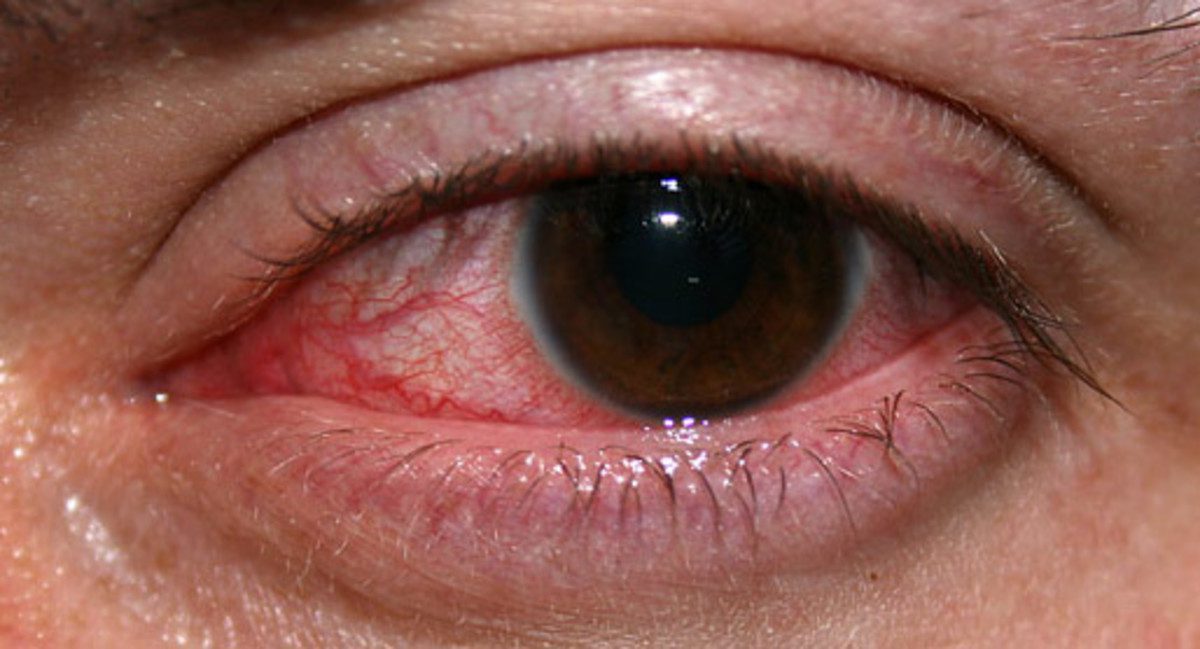
Dry eye is a chronic condition that appears most often in people over the age of 50, but other health factors can also trigger dry eye symptoms. It is recommended to visit the Eye Center at Batal Specialized Complex in Saudi Arabia for a comprehensive eye evaluation, to identify the underlying causes of dry eye, and to receive appropriate treatment.
What Is Dry Eye?
Dry eye occurs when your eyes do not produce enough tears to keep the surface of the eye adequately lubricated (aqueous‑deficient dry eye), or when tears evaporate too quickly. The latter is more common in older adults and affects women more frequently than men.
[box type=”bio”]
Related articles you may find helpful:
– Seborrheic Blepharitis: What You Need to Know
– Eyelid Dermatitis: Causes and Key Facts
– How to Treat Blepharitis Quickly
– Dacryocystitis: Causes, Symptoms, and Treatment
– Optic Neuritis Symptoms: Causes and More
– Acanthamoeba Keratitis: Causes and Diagnosis
– Bacterial Conjunctivitis: What It Is and How It’s Treated
– Eyelid Dermatitis: An Overview
– Conjunctivitis (Pink Eye)
– Keratitis Symptoms: Causes and Diagnosis
– Retinitis Pigmentosa: Symptoms and Causes
– Retinitis Pigmentosa
– Corneal Inflammation: Risks and Symptoms
– Conjunctivitis: Types, Causes, and Treatment
– Corneal Inflammation Symptoms and Key Information
– My Experience with Uveitis
– Eye Infections in Children
– Dry Eye Syndrome | Detailed Information on One of the Most Common Eye Diseases
[/box]
Types of Dry Eye
From the name alone, you might assume dry eye simply means your eyes do not make enough tears. That is only part of the picture. There are several distinct types of dry eye disease:
1. Aqueous‑Deficient Dry Eye
This type occurs when your eyes do not produce enough tears. The lacrimal gland (located in the upper outer corner of each eye) produces the watery component of your tears. This forms the middle, aqueous layer of the tear film. Certain autoimmune diseases can inflame the lacrimal gland and reduce its ability to produce sufficient aqueous tears.
2. Evaporative Dry Eye
This happens when your tears evaporate too quickly. The most common cause is Meibomian gland dysfunction. The Meibomian glands in your eyelids are responsible for producing the outer oily (lipid) layer of the tear film. When they do not function properly, the oily layer becomes unstable and can no longer protect the aqueous layer from drying out.
3. Mixed (Combination) Dry Eye
Some people have both reduced aqueous tear production and an unstable tear film. In other words, the eyes do not produce enough tears, and the tears that are produced do not remain stable on the ocular surface. Both problems contribute to dry eye symptoms.
See also: Femtosecond LASIK (Femto‑LASIK) Vision Correction Surgery

Symptoms of Dry Eye
Common symptoms of dry eye include:
– A gritty, sandy, or foreign‑body sensation in the eye
– Burning, stinging, or itching
– Redness of the eyes
– Blurred or fluctuating vision
– Sensitivity to light (photophobia)
– Excessive tearing (reflex tearing) after episodes of dryness
– Eye fatigue, especially after reading or screen use
– Difficulty wearing contact lenses
See also: Do You Need Refractive (Vision Correction) Surgery?
The 5 Most Common Causes of Dry Eye
Aging
As we age, the structures of the eye gradually deteriorate, making conditions like dry eye more likely.
Hormonal Changes
Hormonal shifts associated with hormonal contraceptives, pregnancy, and menopause can contribute to dry eye. In many individuals, dry eye is a side effect of these hormonal changes.
Systemic Diseases Including Diabetes and Autoimmune Disorders
Diabetes can cause changes in nerve tissue. When diabetic neuropathy affects the nerves that control tear production, tear secretion is reduced and the eyes become dry—especially when blood sugar levels are poorly controlled. Autoimmune diseases can also cause inflammation that leads to dry eye (for example, Sjögren’s syndrome, rheumatoid arthritis, and lupus).
Medications
Many medications can contribute to dry eye, including:
– Antihistamines
– Decongestants
– Antidepressants
– Oral contraceptive pills
– Hormone replacement therapy for menopausal symptoms
– Anti‑anxiety medications
– Medications for Parkinson’s disease
– Antihypertensive (blood pressure) medications
See also: 6 Common Questions About LASIK Surgery
Environmental Factors
Windy, smoky, or very dry environments increase tear evaporation. Laser refractive surgery (such as LASIK or PRK) can also temporarily worsen or unmask dry eye symptoms.
See also: Retinal Detachment Facts and Complete Information

How Do Tears Work?
Every time you blink, a thin layer of tears spreads across the surface of your eye. This tear film keeps the eye’s surface smooth and clear, which is essential for sharp vision.
The tear film is made of three layers:
– An outer oily (lipid) layer
– A middle watery (aqueous) layer
– An inner mucous (mucin) layer
Each layer has a specific function.
The oily layer, the outermost part of the tear film, smooths the tear surface and prevents the tears from evaporating too quickly. It is produced by the Meibomian glands in the eyelids.
The aqueous layer, the middle of the tear film, makes up most of what we recognize as tears. It helps wash the eye and flush away dust, debris, and other foreign particles. This layer is produced by the lacrimal glands in the eyelids.
The mucous layer is the innermost part of the tear film. It helps the aqueous layer spread evenly across the surface of the eye and keeps it moist. Without the mucin layer, tears would not adhere properly to the eye. Mucin is produced by cells in the conjunctiva—the transparent tissue that covers the white part of the eye (sclera) and lines the inside of the eyelids.
Under normal conditions, our eyes constantly produce a baseline level of tears to keep them lubricated. When the eyes become irritated, or when we cry, tear production increases dramatically. However, sometimes the eyes do not produce enough tears, or one or more layers of the tear film are disrupted. In these situations, dry eye develops.
See also: The Best Vision Correction Technology in Saudi Arabia
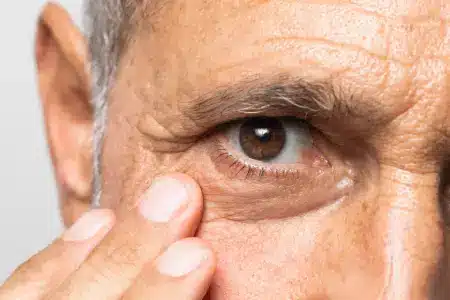
Practical Steps to Treat Dry Eye
Because dry eye is often a chronic condition, ongoing management is important. You should visit the Eye Center at Batal Specialized Complex in Saudi Arabia, where specialists can recommend the most appropriate treatments to protect your eye health and maintain comfort. The following steps can help reduce dry eye symptoms:
– Use preservative‑free artificial tears regularly, as recommended by your doctor
– Apply warm compresses to the eyelids to improve Meibomian gland function
– Gently massage and clean the eyelid margins (lid hygiene) if you have blepharitis
– Limit screen time and follow the 20‑20‑20 rule (every 20 minutes, look 20 feet away for 20 seconds)
– Increase humidity indoors with a humidifier
– Avoid direct air from fans, air conditioners, and car vents blowing into your eyes
– Wear wrap‑around sunglasses outdoors to protect against wind and dust
– Discuss with your doctor whether any of your medications may be worsening dry eye
– In moderate to severe cases, your ophthalmologist may prescribe anti‑inflammatory eye drops, punctal plugs, or other procedures to improve tear retention
See also: Differences Between Children’s Eye Exams and Routine Vision Checks
What Are the Complications of Untreated Severe Dry Eye?
Dry eye can cause irritation, scratching, and blurred vision. When severe dry eye is left untreated, it may lead to:
– Chronic eye pain and discomfort
– Recurrent corneal erosions or scratches (abrasions)
– Corneal ulcers
– Persistent inflammation of the ocular surface
– Increased risk of eye infections
– Permanent scarring of the cornea
– Decreased visual acuity and impaired daily functioning
If you experience any of these symptoms frequently, or for longer than one to two weeks, you should schedule an appointment with an ophthalmologist. The Eye Center at Batal Specialized Complex in Saudi Arabia is recommended for evaluation. Without proper treatment, dry eye can become a chronic, progressive condition that damages the ocular surface, increases the risk of eye infections, and significantly affects quality of life.
See also: What Is Minimally Invasive Glaucoma Surgery (MIGS)?
Risk Factors for Dry Eye Disease
Some risk factors are beyond your control. For example, the older you get, the more likely you are to develop dry eye. However, other factors can sometimes be modified through lifestyle changes or adjustments to your medications.
Talk with an ophthalmologist at Batal Specialized Complex if you have any of the following risk factors. You may be able to make certain changes to lower your risk of developing dry eye or to lessen bothersome symptoms:
– Age over 50
– Female sex, especially during hormonal changes
– Autoimmune diseases (such as Sjögren’s syndrome, rheumatoid arthritis, lupus)
– Diabetes
– Long‑term use of contact lenses
– Prolonged screen time or reading
– Previous refractive surgery (e.g., LASIK, PRK)
– Smoking or exposure to secondhand smoke
– Living or working in dry, windy, or polluted environments
– Use of medications associated with reduced tear production
See also: Astigmatism and Vision Correction at Batal Complex in Jeddah
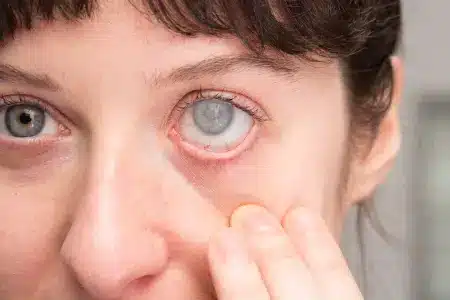
Tips to Prevent Dry Eye
At Batal Specialized Complex, the following tips are recommended to help prevent dry eye:
– Take regular breaks from digital devices and avoid staring without blinking
– Maintain good eyelid hygiene, especially if you have blepharitis or oily skin
– Use a humidifier at home or at work in dry environments
– Stay well‑hydrated by drinking enough water throughout the day
– Avoid smoking and limit exposure to smoke and other eye irritants
– Wear protective eyewear outdoors in windy, dusty, or sunny conditions
– Remove contact lenses as directed and follow proper lens care protocols
– Manage systemic conditions such as diabetes and autoimmune diseases under medical supervision
– Schedule regular eye exams to detect early signs of dry eye and other eye diseases
See also: Key Advantages of Femto‑LASIK Vision Correction at Batal Complex in Jeddah
How Common Is Dry Eye?
Dry eye–related complications are very common, even in individuals who otherwise have healthy eyes. Dry eye is one of the most frequent reasons people visit an ophthalmologist. It can occur at any age but is more common in women than in men.
Over the past two decades, dry eye has become increasingly prevalent, largely because of air travel, poor air quality, environmental allergies, and the widespread use of computers and contact lenses.
Chronic dry eye can have serious long‑term consequences. If left untreated, it can cause significant discomfort, scarring, and recurrent infections that may eventually threaten vision.
See also: Contact Lenses for Astigmatism | Everything You Need to Know
Frequently Asked Questions About Dry Eye
How Is Dry Eye Diagnosed?
Your ophthalmologist will start with a comprehensive eye exam. They will examine your eyelids and the surface of your eyes and will also assess how you blink. Several specialized tests can help diagnose dry eye, such as:
– Tear film break‑up time (TBUT)
– Schirmer test (to measure tear production)
– Ocular surface staining with fluorescein or lissamine green
– Meibomian gland evaluation
How Common Is Dry Eye Disease?
Dry eye disease is common. Research estimates that about 16 million people in the United States alone have been diagnosed with dry eye, and worldwide, tens of millions of individuals are affected.
What Does Dry Eye Feel Like?
Dry eye can cause a wide range of uncomfortable sensations. Some people describe it as if there is sand or grit in their eyes. Others experience stinging, burning, itching, redness, and sensitivity to light. Vision may blur or fluctuate, especially during tasks that require prolonged visual concentration.
Can Dry Eye Cause Headaches?
Dry eye can sometimes contribute to headaches, although it is not considered a classic symptom. When the eyes are dry, they may not focus properly, leading to eye strain and fatigue. This visual stress can trigger tension‑type headaches in some individuals.
Can Dry Eye Lead to Blindness?
Dry eye does not usually cause blindness by itself. However, in severe, untreated cases, it can Can Allergies Cause Dry Eye?
lead to complications—such as persistent corneal ulcers, scarring, and infections—that may eventually impair vision.
Allergies and dry eye often occur together. When the eye is exposed to allergens, it can become red, itchy, and inflamed. This inflammation can disrupt the tear film, leading to dryness and symptoms that closely resemble dry eye. To determine the best treatment for your symptoms, you should undergo a thorough evaluation by an ophthalmologist.

Whatever vision problems or eye conditions you may be experiencing, this delicate medical specialty requires a precise examination and appropriate treatment from a skilled, experienced eye doctor using effective medical technologies that deliver real, positive results. Whatever disease or problem is affecting your eyes, you can book an appointment at Batal Specialized Complex for a comprehensive eye exam and to begin addressing your eye issues, no matter how complex they may be.