
Med info
Lucentis Eye Injections: Everything You Need to Know

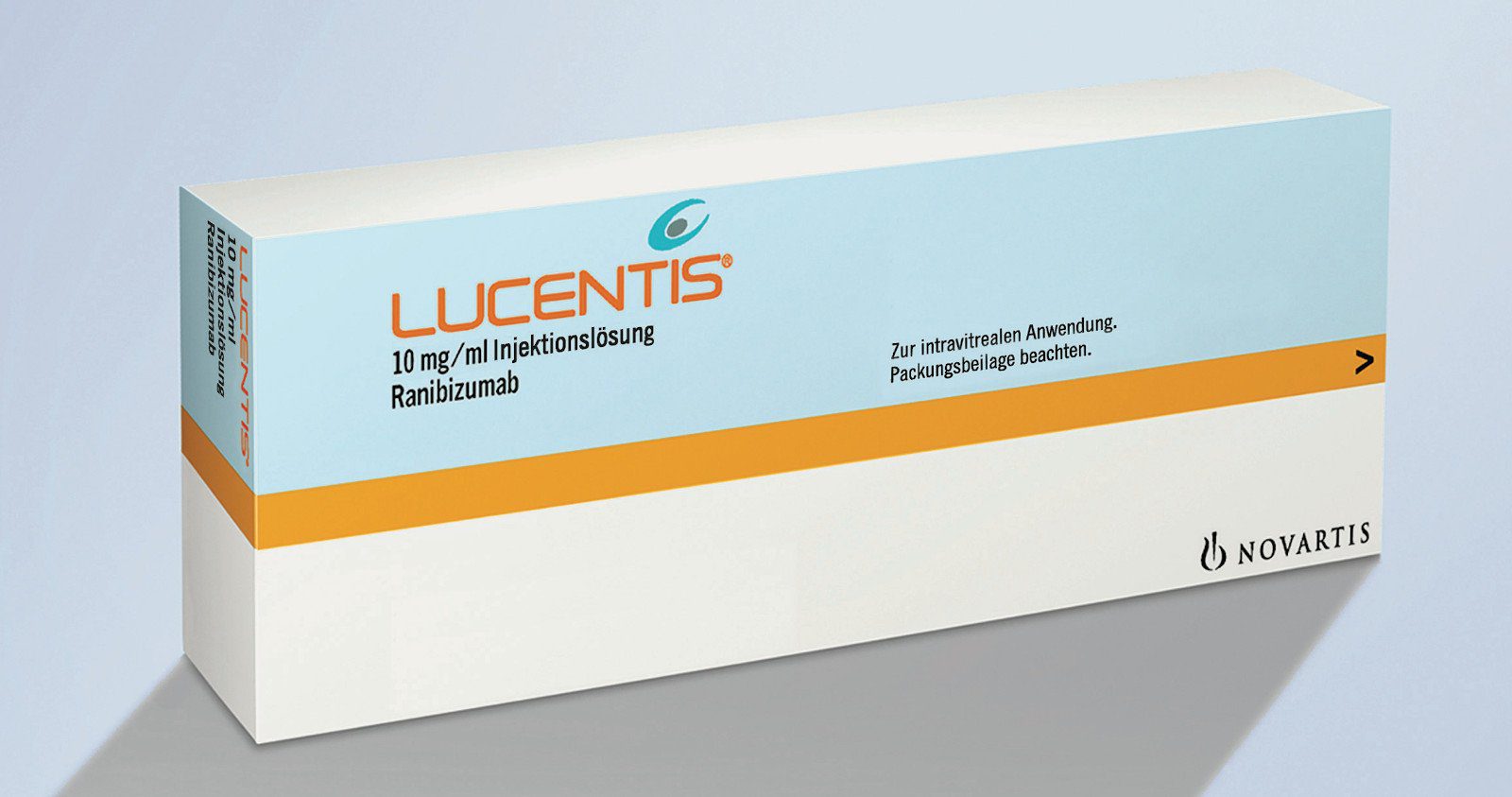
Lucentis is used to treat macular degeneration and diabetic retinopathy. Diabetic retinopathy is one of the most common eye complications in people with diabetes. It can cause blurred vision, eye bleeding, fluid leakage, and other serious retinal problems. According to many ophthalmologists, Lucentis is considered a very safe and effective treatment for diabetic retinopathy.
Lucentis is injected into the eye to help slow down vision loss caused by these conditions. Abnormal blood vessels in the eye need a natural chemical in the body called VEGF (vascular endothelial growth factor) to grow. Lucentis blocks VEGF, which slows the growth of these abnormal blood vessels in the eye.
The Eye Center at Batal Specialized Complex in Saudi Arabia is considered one of the best centers for treating eye diseases safely and effectively. It is staffed by experts and subspecialists in all branches of ophthalmology and offers many services such as vision correction (LASIK and others), strabismus treatment, retinal diseases and surgery, and many other advanced eye-care services.
Also read: The Best Eye Drops for Allergies in 2022
Which Conditions Are Treated With Lucentis?
Lucentis is used to treat the following eye conditions:
Also read: Systane Eye Drops: Uses, Side Effects, and Everything You Need to Know
What Happens During Lucentis Treatment?
First, the ophthalmologist will numb your eye to prevent pain. Then Lucentis is injected directly into the eye. Before the procedure, the eye is carefully cleaned to reduce the risk of infection, and a local anesthetic is applied. A very fine needle is passed through the white part of the eye (the sclera) to deliver the medication.
In some cases, ophthalmologists may combine Lucentis with other treatments to give you the best possible chance of preserving your vision.
Also read: Naphcon Eye Drops | Uses, Side Effects, and What You Need to Know
What Are the Risks of Lucentis?
Like any medical treatment, Lucentis can cause side effects. Common side effects include:
Any intraocular injection, including Lucentis, may cause the following problems, although they are very rare:
For about 24 hours after the injection, it is normal to feel as if there is something in your eye, to have mild eye pain, and to be sensitive to light, especially if your pupil has been dilated. If these symptoms, or any other side effects, last longer than expected, you should contact the Eye Center at Batal Specialized Complex immediately. Redness of the eye or small areas of bleeding on the eye surface can also persist for a few days.
Also read: The Best Antibiotic Eye Drops | A Complete, Detailed List
Contraindications (When Lucentis Should Not Be Used)
Lucentis should not be used if the patient is allergic to any of its components, or if there is an active infection in or around the eye, especially a bacterial eye infection. You must inform your doctor about all medications you are taking, including nutritional supplements, vitamins, and herbal products.
Lucentis is generally not recommended during pregnancy or breastfeeding unless the doctor decides that the potential benefits outweigh the risks. Your doctor should also be informed if you have glaucoma, or if you have a history of stroke or blood clots. The medication should be stored out of the reach of children and kept in a dry place away from heat and moisture.
Also read: What Causes Dry Eye?

The Eye Center at Batal Specialized Complex in Saudi Arabia is distinguished by its high quality of care and strict adherence to the latest scientific medical standards, with honesty and transparency. It was founded by a highly experienced ophthalmology consultant and includes a select team of outstanding eye specialists. The center has performed thousands of successful surgeries and is known for its excellent follow-up care and extensive expertise in the field.
Also read: Facts About Retinal Detachment and Complete Information About the Condition