
Med info
Information About Ultra LASIK

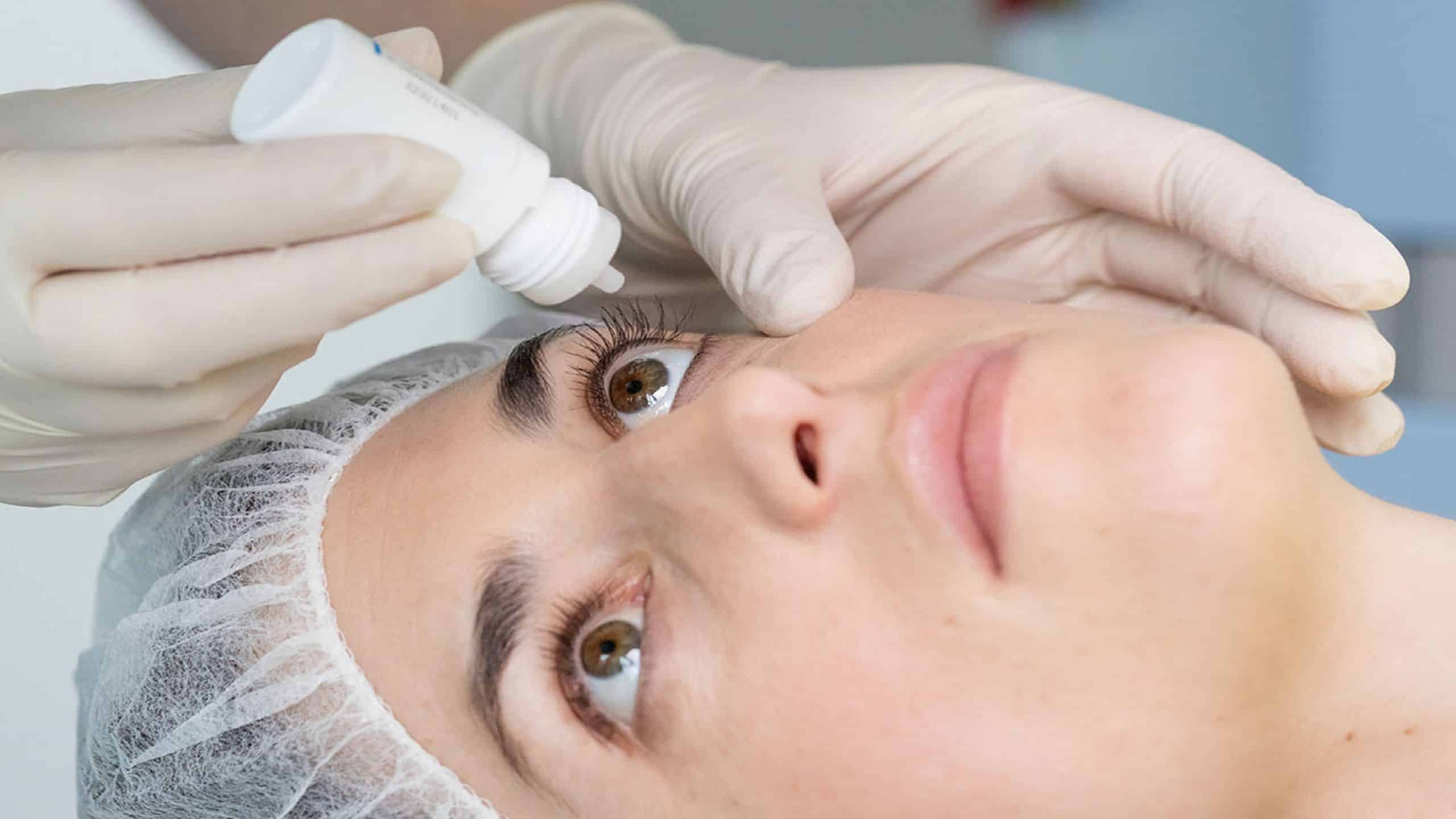
Ophthalmologists in this blog provide information about Ultra LASIK, which is considered the gold standard in LASIK procedures thanks to its rapid healing and recovery. Ultra LASIK combines two outstanding technologies: the SCHWIND AMARIS 1050RS (the highest-performance platform from a leading technology manufacturer) and the FEMTO LDV Ziemer 6 (a state-of-the-art, true femtosecond laser). The power of these two systems together delivers superior outcomes while maximizing comfort and safety.
For faster, pain‑free healing and the clearest possible vision, it is recommended to visit the Eye Center at Batal Specialized Complex in Saudi Arabia, where highly experienced ophthalmologists work with top‑tier modern medical technologies.
Ultra LASIK for the eyes
Important Information About Ultra LASIK
To begin, and in reference to information about Ultra LASIK: this treatment is performed to effectively correct refractive errors such as hyperopia (farsightedness), myopia (nearsightedness), and astigmatism. It is especially recommended for patients with higher degrees of astigmatism. The SCHWIND AMARIS 1050RS is an advanced flagship model that delivers top‑level performance in LASIK and represents a high‑performance excimer laser system from a technology leader.
Ultra LASIK is considered one of the highest‑performance excimer laser platforms in the world for both refractive and therapeutic corneal surgery. It combines cutting‑edge technology with a repetition rate of 1050 Hz—currently the highest among excimer lasers on the market—and a unique 7D eye‑tracking system. Together, these features provide unmatched speed, precision, safety, and patient comfort in laser eye surgery. The ultra‑fine 0.54 mm laser spot, shared by all SCHWIND AMARIS platforms, further enhances the accuracy and smoothness of the corneal reshaping.
This innovative excimer laser reduces the extremely short ablation time to about 1.3 seconds per diopter. In practical terms, this means shorter treatment times and a reduced risk of corneal dryness. In addition, the time the patient needs to focus on the green fixation light is significantly shorter.
The AMARIS 1050RS can be used with all standard laser treatment methods, including SCHWIND’s touch‑free SmartSurfACE, which offers faster healing and more rapid visual recovery than traditional surface ablation procedures. SCHWIND CAM treatment planning software also makes it possible to design highly individualized, customized treatments.
All these advantages lead to one key result: safer, outstanding visual outcomes for our patients.
Ultra LASIK eye surgery
Benefits of Ultra LASIK
Why Is Ultra LASIK the Most Recommended Procedure?
Ultra LASIK offers a faster treatment time, which translates into quicker healing and significantly better visual outcomes. Most Ultra LASIK patients achieve 20/10 vision, which is better than standard 20/20, thanks to a smoother ablation profile and more precise corneal reshaping.
Does Ultra LASIK Hurt?
Most patients report no pain during or after the procedure.
Can LASIK Cause Blindness?
No. You can contact the Eye Center at Batal Specialized Complex in Saudi Arabia to book a comprehensive eye examination. During this evaluation, the exact refractive error, corneal thickness, and any eye conditions that might prevent you from safely undergoing LASIK will be carefully assessed.
The Difference Between LASIK and Ultra LASIK
Advanced LASIK surgery (often called Femto‑LASIK) creates the corneal flap using a femtosecond laser fully controlled by the device’s computer settings.
This is a highly precise, blade‑free procedure with no manual cutting using a mechanical microkeratome. Visual recovery and healing are faster, and flap‑related complications are fewer compared with conventional (mechanical) LASIK.
Ultra LASIK: also uses a femtosecond laser to create a thinner corneal flap. It is a customized form of LASIK associated with fewer surgical complications and faster recovery.
Conventional LASIK uses a mechanical microkeratome with a steel blade to create the corneal flap.
When a mechanical microkeratome is used, a ring is placed on the eye and high pressure is applied to create suction on the cornea during the procedure. The microkeratome is a cutting device attached to the suction ring; it carries a blade that passes across the cornea to create the flap. An excimer laser is then used in all LASIK techniques to ablate the cornea and correct the underlying refractive error.
Ultra LASIK vision correction surgery
Ultra LASIK and Femto‑LASIK
Femto‑LASIK (Femtosecond LASIK) is one of the most advanced techniques currently available to correct refractive errors such as myopia (nearsightedness), hyperopia (farsightedness), and/or astigmatism.
Femto‑LASIK uses a femtosecond laser, an extremely precise laser, to create microscopic carbon dioxide bubbles and separate corneal tissue without the need for any mechanical cuts or incisions.
Thanks to the femtosecond laser, the corneal flap is created more safely. Once the flap has been created, the remainder of the Femto‑LASIK procedure is the same as standard LASIK: the excimer laser is applied to correct the refractive error.
After the excimer laser has completed the ablation and the refractive error has been corrected, the flap is repositioned on the cornea. One of the main advantages of this surgery is that the femtosecond laser reduces the likelihood of intraoperative and postoperative complications. It is also essential to follow the postoperative LASIK care instructions.
What is Ultra LASIK?
Which Is Better: LASIK or Laser (PRK/LASEK)?
One of the main distinctions to understand is that LASIK and other laser procedures (such as PRK and LASEK) are all forms of laser eye surgery, but they differ in technique.
The laser procedure known as PRK (Photorefractive Keratectomy) is one form of laser refractive surgery. Another surface technique is LASEK (Laser‑Assisted Sub‑Epithelial Keratectomy), which is similar to PRK and also uses an excimer laser to reshape the cornea and correct refractive errors such as astigmatism, myopia, and hyperopia. In LASEK, the outer epithelial layer is loosened with a diluted alcohol solution, gently moved aside, the laser is applied, and then the epithelium is repositioned.
LASIK (Laser‑Assisted In Situ Keratomileusis) is also a type of laser procedure, where a flap is created and lifted before the laser reshapes the corneal tissue underneath. Besides LASIK, laser cataract surgery is another major category of laser eye surgery.
Although many procedures take only about 15 minutes, they are still considered surgeries. For some patients—especially those looking for a non‑surgical option—orthokeratology has long been a safe and effective alternative to LASIK for correcting astigmatism and certain other refractive errors.
Custom‑made contact lenses, such as Ortho‑K lenses, are worn only at night. While you sleep, the lenses gently reshape the cornea to improve your vision during the day. This form of vision correction is not only convenient and effective but can also provide stable, long‑term results as long as lens wear is maintained.
Laser eye surgery, including LASIK, is a very common procedure that can correct a wide range of vision problems. However, each individual has unique ocular conditions.
If you have thin or relatively flat corneas, your surgeon may suggest procedures such as PRK or LASEK instead of flap‑based LASIK. LASEK, as mentioned, is similar to PRK: it is used to correct astigmatism, myopia, and hyperopia. After the epithelium is separated and treated with diluted alcohol, it is folded back and then repositioned once the laser ablation is complete.
Ultra LASIK eye surgery

Whatever symptoms of poor vision, refractive error, or eye problems you may have, these delicate conditions require thorough evaluation and appropriate treatment by a skilled, experienced ophthalmologist using effective medical tools that deliver real benefits. Whatever eye disease or condition you are dealing with, you can book an appointment at Batal Specialized Complex for a full eye examination and to begin addressing your eye problems, no matter how complex they may be.