
Med info
Al-Dawaa Pharmacy | Essential Medicines You Should Always Have at Home


Since health is the most important aspect of our lives, we can’t ignore the importance of taking good care of it. In fact, having a well-stocked home pharmacy is often more essential than the furniture in your house.
Many minor health issues—such as headaches, mild pain, burns, insect bites, and a runny nose—can easily be managed at home.
In addition, you can access your home pharmacy at any time you need medication support, instead of going to a drugstore every single time.
By keeping a few well-known medications on hand, you can be prepared for most common minor illnesses.
In this article, we’ll go over the key medicines you should keep at home to handle simple health problems before they get worse.
Read also: How to Treat Tear Duct Blockage in Infants
Paracetamol: A Must in Every Home Pharmacy
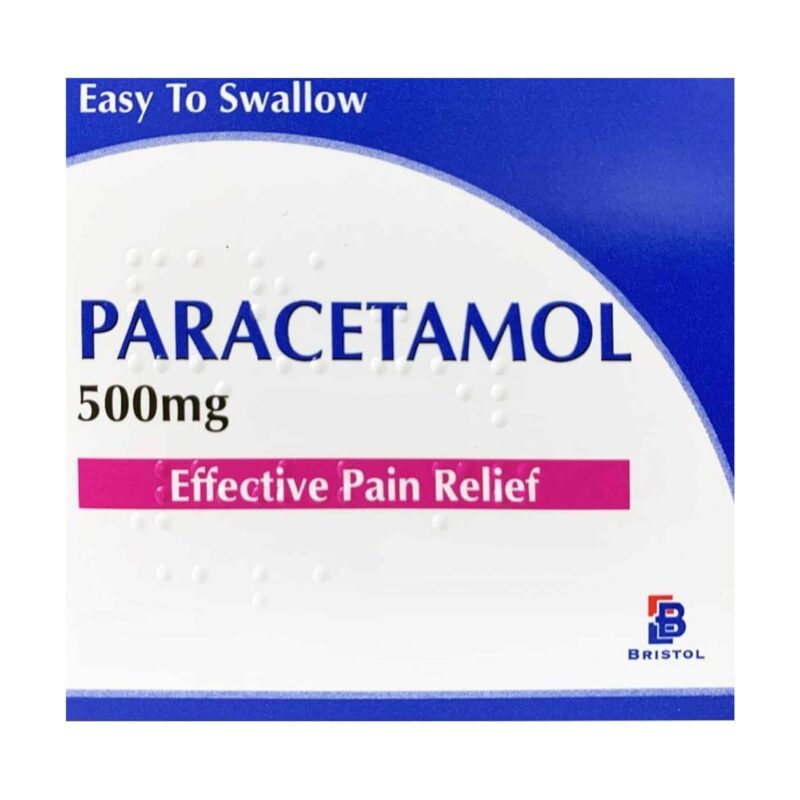
Paracetamol is one of the most commonly used pain relievers. It can be taken to reduce aches and pains, and it’s also widely used to bring down a high temperature (fever).
The chemical formulation of this medication is known online as Gorleston Paracetamol. The usual adult dose is 1–2 tablets every 4–6 hours, not exceeding 8 tablets in 24 hours.
Paracetamol is generally considered safe during pregnancy and breastfeeding, but the exact dose and maximum number of tablets should always be confirmed with your doctor.
Most importantly, you should not take other medications containing paracetamol at the same time unless prescribed by a healthcare professional, to avoid overdose. For children, paracetamol is available as an oral liquid to reduce fever, since they may not be able to swallow tablets.
Read also: Lower Eyelid Tightening | How It’s Done
Ibuprofen Capsules and Topical Gels
Ibuprofen is another essential medication that should be available in every home pharmacy. It’s a nonsteroidal anti-inflammatory drug (NSAID) that reduces inflammation, which in turn helps decrease swelling, pain, and fever.
Ibuprofen is used to relieve pain in a variety of situations such as toothache, menstrual cramps, headaches, arthritis, and muscle pain.
Its chemical formulation is known as Gorleston Ibuprofen if you wish to look it up.
For adults, the usual dose is 200 mg: 1–2 tablets, up to three times a day, and it must be taken with food or milk to lower the risk of stomach irritation. It should not be taken on an empty stomach.
Ibuprofen is not suitable for pregnant women, people with stomach problems such as ulcers, patients with asthma, uncontrolled high blood pressure, or certain other medical conditions.
Anyone with chronic illnesses or who is taking other medications should consult a doctor before using ibuprofen.
Ibuprofen can be taken orally by most adults. For breastfeeding women, it’s generally safer to use ibuprofen topically (as a gel or cream) on the skin, which has minimal systemic absorption. Ibuprofen is available as capsules, oral suspensions, and topical gels/creams.
Read also: Nystagmus Symptoms | Treatment Options and Surgical Information
Antihistamines: Key Allergy Medications in Your Home Pharmacy

Antihistamines are commonly used to relieve allergy symptoms such as hives, hay fever, insect bite or sting reactions, and allergic conjunctivitis.
There are two main groups of antihistamines:
– Non-drowsy (second-generation) antihistamines
– Sedating (first-generation) antihistamines
For non-drowsy antihistamines, the usual regimen is once daily. For sedating antihistamines, a capsule can be taken every 4–6 hours, not exceeding 6 capsules in 24 hours (depending on the specific product and strength).
Antihistamines may cause side effects such as drowsiness, blurred vision, and dry mouth. These are common and usually not serious, but you should avoid driving, operating machinery, or performing tasks that require full alertness after taking a sedating antihistamine.
Antihistamines are available in pharmacies in various forms: capsules, tablets, oral liquids, eye drops, nasal sprays, creams, and lotions.
Read also: Glaucoma Prevention | What Everyone Should Know
Medications for Indigestion
If you suffer from heartburn or acid reflux, stomach acid can travel up into your esophagus, causing a burning sensation in your upper digestive tract. This can be a symptom of indigestion (dyspepsia).
You may benefit from indigestion remedies if you experience:
– Burning pain in the chest (heartburn), especially after meals
– A feeling of fullness and bloating
– Nausea
– Belching and a bitter or sour taste in the mouth
Many over-the-counter indigestion treatments can be added to your home pharmacy, such as antacids and acid reducers, including products like Rennie, Zantac (ranitidine was commonly used in the past, though its use has changed in many countries), and similar medications.
Dosing varies by product and individual condition, so you must follow the directions on the medication package or patient information leaflet.
Indigestion remedies are usually best taken with food or shortly after eating, since this is when symptoms of acid reflux and heartburn are more likely to occur.
Pregnant women often experience indigestion, especially after the 27th week of pregnancy. However, not all indigestion medications are safe for everyone, particularly during pregnancy.
Always consult your doctor or speak to a pharmacist before using these medications in pregnancy or if you have other health conditions.
Read also: Retinal and Vitreous Diseases & Surgery | Guide from Batal Specialty Center
Anti-Diarrheal Medications
Diarrhea is characterized by frequent, loose bowel movements. It can be caused by many factors, including bacteria, viruses, parasites, medications such as antibiotics, and digestive disorders like irritable bowel syndrome (IBS).
Most of the time, diarrhea doesn’t require specific treatment and resolves within about two days. However, medication can help you feel better faster, especially if you have cramps or abdominal pain.
You should always read and follow the instructions on the package or in the patient leaflet, as they specify the correct dose and frequency.
If your diarrhea is caused by an infection (bacteria or parasites), your body needs to eliminate the germs. In that case, using anti-diarrheal drugs to stop bowel movements may worsen the condition.
In such situations, it’s better to avoid anti-diarrheal agents like loperamide and instead use oral rehydration solutions such as Dioralyte to replace the fluids and electrolytes lost in the stool.
If you notice black, tarry stools or see blood in your stool, do not take loperamide, as these can be warning signs of a serious infection or bleeding in the digestive tract.
If you are allergic to salicylates (such as aspirin), you should not take bismuth subsalicylate. Also, bismuth subsalicylate should not be given to children 12 years old or younger due to the risk of serious side effects.
Read also: Dry Eyes vs. Allergies | How to Tell the Difference
Batal Specialty Center: Leading Eye Care in Saudi Arabia

Batal Specialty Center in Saudi Arabia is one of the leading, most advanced medical centers in the field of eye care and ophthalmic treatment. The center is gaining more recognition every day thanks to the excellent reputation of its medical staff, as well as its use of state-of-the-art diagnostic and treatment technologies.
If you are experiencing any eye problems, don’t hesitate to book an appointment at Batal Specialty Center to receive the best possible medical consultation from a specialized ophthalmologist.