
Med info
Age Calculation and the Impact of Aging on the Eyes

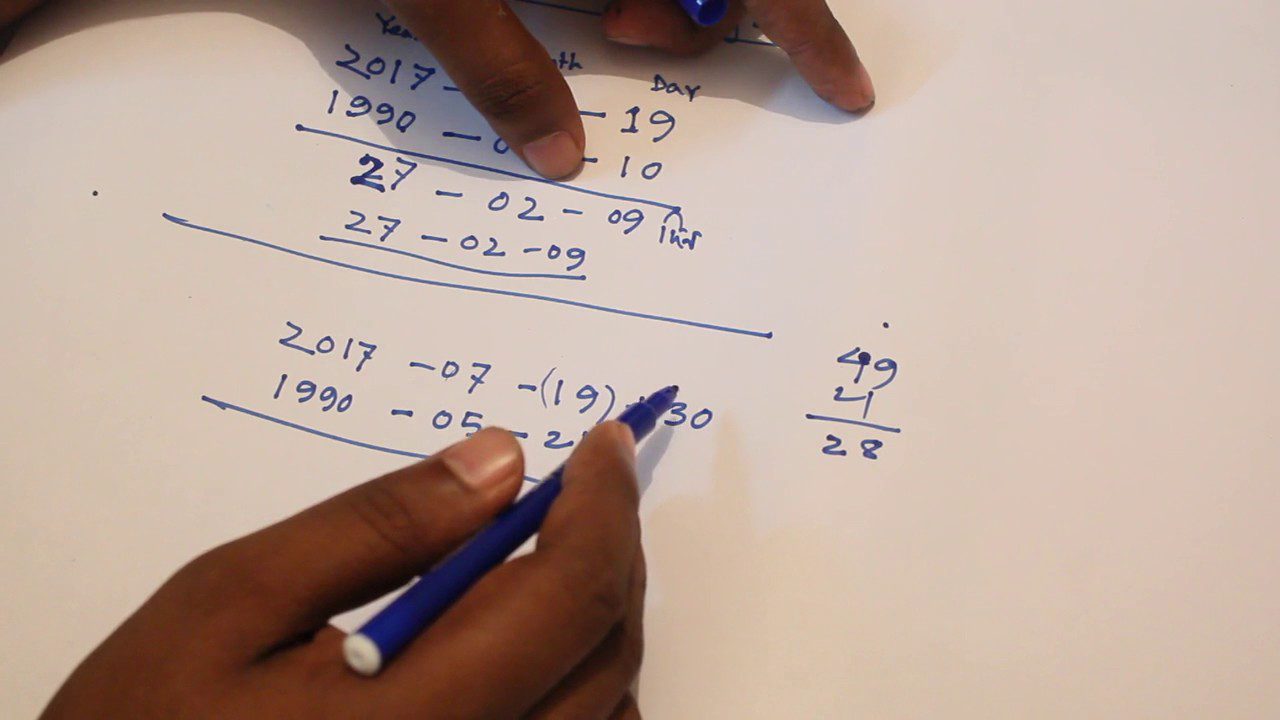
Accurately calculating a person’s age is a simple task, but it requires precision—especially when it is important to know whether someone is at least 18 years old. Age can be calculated differently across cultures, but most age calculators rely on the most widely used age system, where age increases on each birthday. For example, a person who has lived for 3 years and 11 months is considered 3 years old and will turn 4 on their next birthday in one month. Most countries use this age system.
In some cultures, age is expressed by counting years with or without including the current year. A person’s date of birth is also used to obtain medical and health-related information about their age and to generate detailed medical facts and results.
Once a person reaches the age of 40 and above, signs of aging in the eyes often begin to appear. For example, they may struggle to read at close range due to blurred near vision. For this reason, it is important to calculate age accurately and undergo regular comprehensive eye exams at the Eye Center in Batal Specialized Complex in Saudi Arabia to monitor eye health.
Also read: Aortic Syndrome | Everything You Need to Know
Age Calculation
Age is calculated by determining the number of full years, months, and days that have passed since birth. Leap years and months with 31 days are taken into account, allowing for a highly accurate age calculation down to the exact number of days.
An age calculator is an online tool that calculates age from the date of birth to the current date. Age or time difference is not affected by the user’s time zone because the result is simply the difference between two dates. This age calculator is based on the most commonly used age system, making it suitable for most people.
Using an age calculator, you can determine how many days, months, and years have passed from birth to the current date. It is not easy to manually calculate age in minutes and hours, so an age calculator is often used to find age in years, months, days, hours, and minutes.
Also read: What Do You Know About Eye Ointment?
Calculating Age in the Hijri Calendar
In addition to the general difficulty of manually calculating age precisely, calculating age according to the Hijri (Islamic) calendar is a bit more complex than using other calendars. A Gregorian year has 365 days, and every four years there is a leap year with 366 days. A Hijri year, however, has 354 or 355 days. Therefore, when calculating age, it is important to remember that the Gregorian year is about 11 days longer than the Hijri year. This means that a person’s age in Hijri years will be numerically greater than their exact age in Gregorian years.
An age calculator can display the date of birth in the Hijri calendar, effectively working as a converter between Gregorian and Hijri dates. Many people do not realize that they are technically “older” in Hijri years, and this difference appears when age is calculated using the Hijri system. The reason is that Hijri years are shorter than Gregorian years, and some countries still use this type of calculation.
Glaucoma (often called “the silent thief of sight”) is one of the leading causes of blindness in people over the age of 60. It can occur at any age, but is more common in older adults. Therefore, it is essential to visit the Eye Center at Batal Specialized Complex in Saudi Arabia and undergo all necessary examinations by top eye specialists.
Also read: Upper Eyelid Cosmetic Enhancement Without Surgery – How Is It Done?
Calculating Age in the Gregorian Calendar
Age in the Gregorian system is calculated by subtracting the date of birth from the current date, whether you are using the Gregorian or the Hijri calendar as a reference. Age can then be expressed precisely in years, months, days, minutes, and seconds. The Gregorian calendar is the primary civil calendar used in most parts of the world. It was introduced in October 1582 as a slight modification of the Julian calendar, reducing the average year length from 365.25 days to 365.2425 days.
The method of calculating age involves comparing a person’s date of birth with the date on which the age is to be calculated. Subtracting the date of birth from the reference date gives the person’s age:
Age = Given Date – Date of Birth.
Also read: Eye Test | Everything You Want to Know
Calculating Age Difference
Calculating age difference between two people—or between two ages—is a practical application of date calculations. You can use the age gap calculator to find the number of years between two dates of birth, between two years, or between the ages of two individuals. The tool can also provide the precise age gap in years, months, and days.
If you know one person’s age and either the birth year or birth date of another, it is easy to calculate the second person’s age using an online age calculator. You can also determine a birth year based on age in years by using a time difference calculator to subtract age from the current date.
According to the World Health Organization, people aged 26–65 years are classified as “young adults.” Those between 66 and 79 years are considered “middle-aged,” while people aged 80–90 years are categorized as “older adults” or “elderly.” Individuals who live beyond 100 years are referred to as “centenarians.”
Also read: Al-Dawaa Pharmacy | Essential Medicines You Should Always Keep at Home
How Does Aging Affect Your Eyes?
As you get older, certain changes can occur that weaken your eyesight and affect your eyes. However, there are many steps you can take to keep your eyes and overall health in good condition throughout life. Sometimes the solution is as simple as using brighter lighting around the house to help prevent accidents related to poor vision, or visiting your eye doctor more regularly to screen for age-related eye diseases.
Also read: Causes of Dry Eye After LASIK | Symptoms and Treatment Options
How Can You Help Prevent Age-Related Eye Problems?
Although eye diseases and vision problems become more common with age, many of them can be prevented or corrected if you:
Also read: Does Bupa Insurance Cover Vision Correction at Batal Specialized Complex?
Common Eye Problems That May Be Related to Aging
There are several eye conditions that become more common with age but can affect people at any stage of life. You can take simple measures to reduce discomfort and improve vision regardless of how old—or young—you are.
Presbyopia (Age-Related Farsightedness)
Presbyopia refers to the gradual loss of the eye’s ability to focus on close objects or small print. It is a natural, age-related process that develops slowly over time. You may not notice any changes until you are between 35 and 40 years old.
People with presbyopia often hold reading material at arm’s length. Some may experience headaches or “eye strain” while reading or doing close work. If you have presbyopia, your near vision can be improved with reading glasses or multifocal lenses (such as bifocals or progressive lenses).
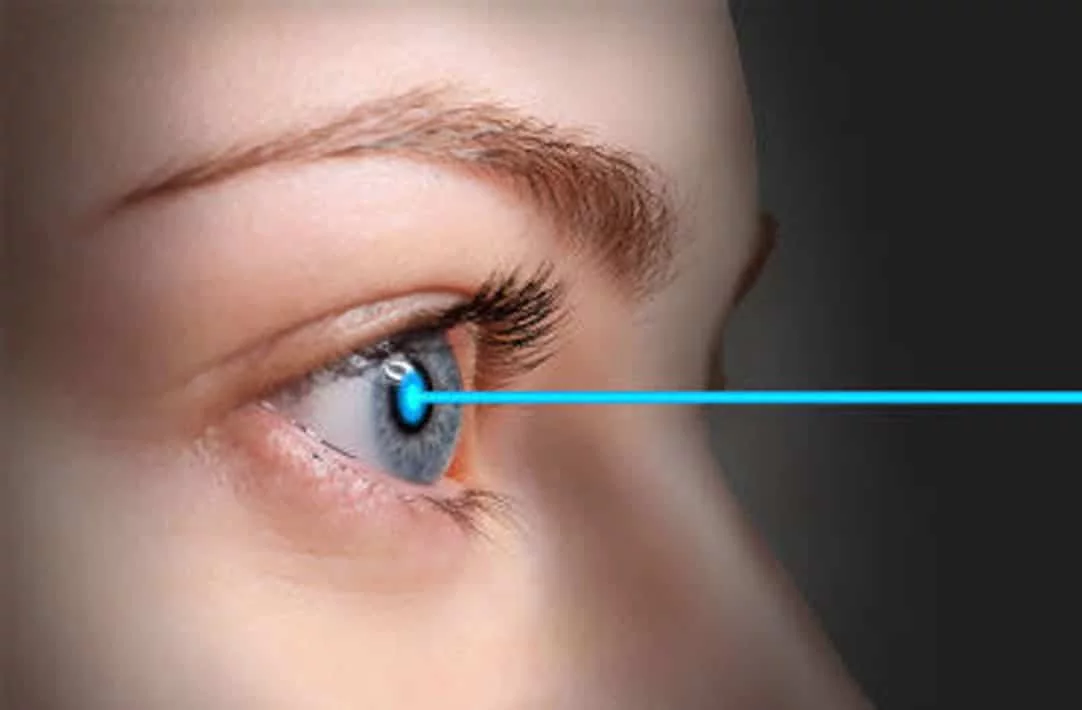
Eye surgery
Eye Floaters and Flashes
Floaters are small specks, spots, or cobweb-like shapes that drift across your field of vision. Most people notice them more clearly in well-lit rooms or outdoors on bright days. Floaters are often harmless, but in some cases they can be a sign of a more serious eye problem, such as a retinal tear or retinal detachment—especially when accompanied by flashes of light. If you notice a sudden increase in the number or type of floaters or flashes, see an ophthalmologist as soon as possible.
Dry Eye (Also Called Keratoconjunctivitis Sicca)
Dry eye occurs when the tear glands do not produce enough tears or when the tears are of poor quality. Dry eye can be uncomfortable and may cause itching, burning, a gritty sensation, or even blurred vision. Your healthcare provider may recommend using a humidifier at home and special lubricating eye drops (artificial tears). In more severe cases of dry eye, surgical procedures or treatments such as punctal plugs may be necessary.
Excessive Tearing (Watery Eyes)
Excessive tearing or watery eyes can be triggered by sensitivity to light, wind, or temperature changes. Simply shielding your eyes or wearing sunglasses may sometimes resolve the issue.
However, persistent tearing can indicate a more serious problem, such as an eye infection or a blocked tear duct. Additionally, people with dry eye may paradoxically experience excessive tearing because irritated dry eyes can overproduce reflex tears. An ophthalmologist can diagnose and treat both conditions appropriately.
Also read: How to Care for Your Eyes After Laser Vision Correction
What Is a Cataract?
A cataract is a cloudy area that develops in the eye’s natural lens, which sits behind the iris and pupil. Under normal conditions, the lens is clear, like the lens of a camera. Cataracts prevent light from passing easily through the lens to the retina at the back of the eye, resulting in blurred or hazy vision. Cataracts usually form slowly and do not cause pain, redness, or tearing. Some stay small and do not significantly affect vision. If a cataract grows large or dense enough to interfere with daily activities, it can be surgically removed.
Cataract surgery is considered very safe and is one of the most commonly performed surgical procedures in the United States and worldwide. During the operation, the surgeon removes the cloudy lens and, in most cases, replaces it with a clear plastic intraocular lens (IOL), restoring normal vision if the rest of the eye is healthy.
Also read: Is PRK Vision Correction a Permanent Procedure?
Age-Related Macular Degeneration (AMD)
Age-related macular degeneration causes changes in the macula, the part of the retina responsible for sharp central vision. If you develop AMD, you may notice that your central vision becomes blurry or that dark or empty spots appear in the center of your visual field. With AMD, activities such as reading, driving, or recognizing faces can become difficult.
There are two main types of AMD: dry and wet. For dry AMD, your doctor may recommend antioxidant and mineral supplements based on specific clinical guidelines (such as AREDS formulations) to help slow progression. For wet AMD, treatment focuses on stopping abnormal blood vessels in the macula from leaking. This can include laser therapies to seal leaking vessels and intravitreal injections of medications that inhibit the growth of new abnormal blood vessels (anti-VEGF therapy).
Also read: Eye Freckles (Conjunctival or Iris Nevi) | Causes, Symptoms, and Treatment
Top Frequently Asked Questions
Middle‑aged adults often begin to notice subtle changes in their vision that may progress gradually over time. From the early to mid‑40s, many people start to experience difficulty seeing clearly at close distances, especially when reading or using a computer.
As we age, the focusing muscles inside our eyes—called the ciliary muscles—become weaker and less able to contract when we try to see objects up close.

Whatever symptoms of visual impairment, refractive error, or other eye problems you may have, these delicate medical issues require a thorough examination and appropriate treatment by a skilled, experienced ophthalmologist using effective medical technologies that deliver real results. Regardless of the condition affecting your eyes, you can book an appointment at Batal Specialized Complex to undergo the necessary evaluation and begin addressing your eye problems, no matter how complex they may be.