Med info
Blood Types: Everything You Need to Know

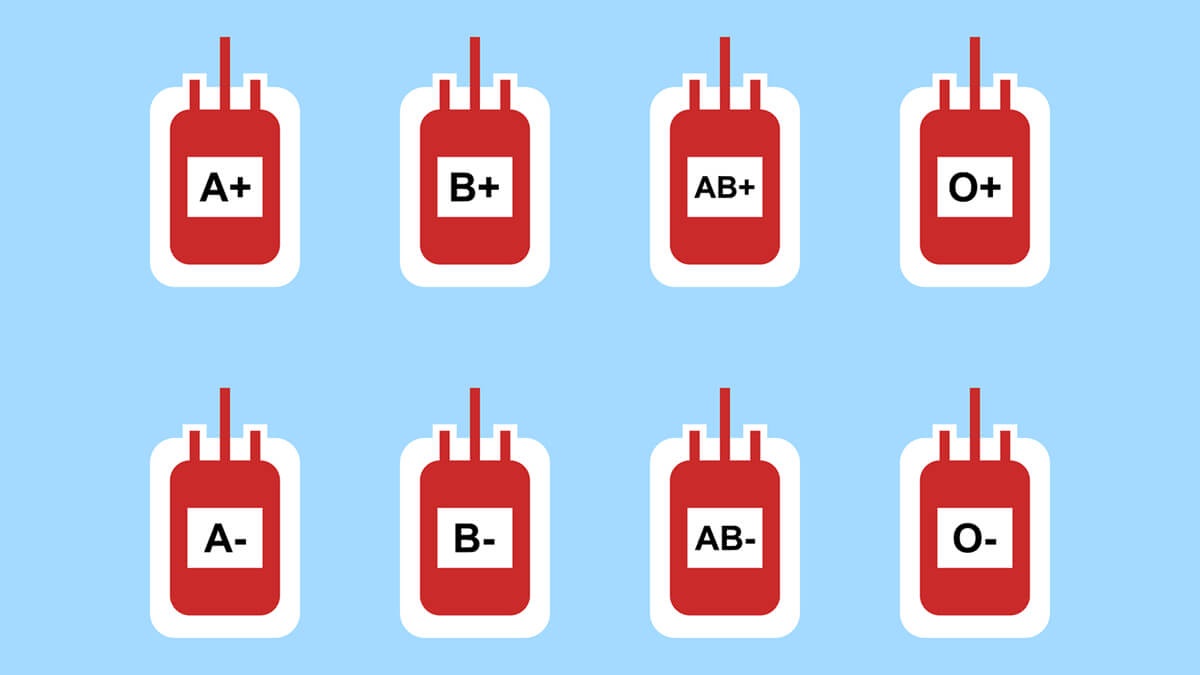
The exact amount of blood in a person’s body depends on their body size, and blood composition varies from one person to another. An individual’s blood type is determined by the genes inherited from their parents.
The ABO system is the most well‑known system for classifying blood types, although there are other systems as well. Within the ABO group, there are four main blood groups: A, B, O, and AB, and within these groups there are eight specific blood types.
If someone needs a blood transfusion, their blood type must be compatible with the donor’s blood to avoid serious complications. Blood donation saves lives every day, but receiving an incompatible blood type can lead to life‑threatening consequences.
Read also: Nutmeg and its benefits for the eyes
The Role of Blood Type in Corneal Transplantation
Blood typing and Rh factor testing are among several tests used to determine whether two people are compatible for organ or tissue transplantation, bone marrow transplant, corneal transplant, and many other medical procedures.
When the cornea is damaged for any reason, it may lose its transparency or its shape may change. This affects the cornea’s ability to focus light onto the retina, leading to blurred or distorted vision. In such cases, the optimal treatment is often a corneal transplant.
A corneal transplant is a surgical procedure in which part or all of a damaged or diseased cornea is removed and replaced with a healthy donor cornea. This procedure is usually done to improve vision and relieve pain. The exact surgical technique depends on the underlying disease and which corneal layers are affected.
At the Eye Center in Batal Specialized Complex in Saudi Arabia, the ophthalmologist performs a comprehensive eye examination, including visual acuity, intraocular pressure measurement, and assessment of visual clarity. A dilated fundus examination is also performed to ensure the retina is healthy.
Read also: 3D view of the human body from the inside
Blood Types
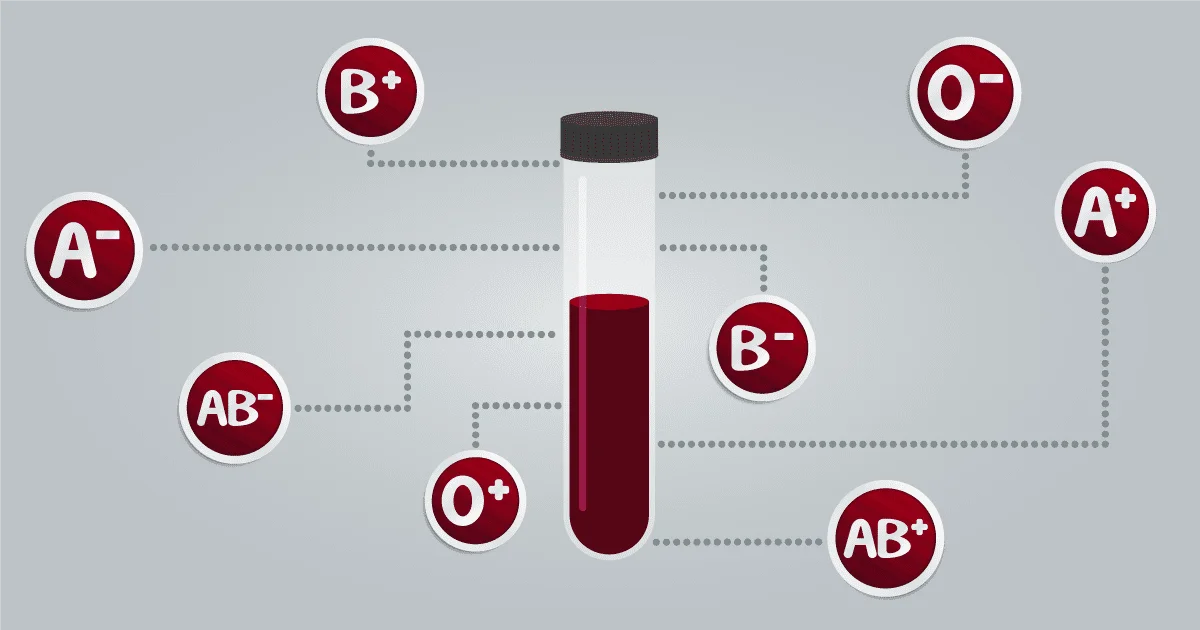
Human blood groups (or blood types) differ from one person to another. Each person’s blood belongs to one of the four main groups: A, B, AB, or O. Each group differs from the others due to the presence of specific substances (antigens) on red blood cells and in the plasma. Mixing two fully incompatible blood groups can have serious and potentially dangerous consequences.
Blood types are determined by the presence or absence of specific antigens—substances that can trigger an immune response if they are recognized as foreign by the body. Because some antigens can stimulate the recipient’s immune system to attack the transfused blood, safe blood transfusion depends on careful blood typing and cross‑matching.
Read also: Blood sugar levels and the eye
Blood type O+
Blood Type A
If a person has A positive blood (A+), they have a relatively common blood type inherited from their parents. This means they have A antigens on the surface of their red blood cells, along with a protein called the Rh factor, which determines whether their blood type is A+ or A−.
The A negative blood type (A−) is considered one of the more “selective” blood types because it can only donate to and receive from a limited number of other types. For this reason, it is important to have a blood test to know your blood type and understand how you can help others through blood donation.
Read also: What do you know about eye ointment?
Blood Type O+
Blood type O positive (O+) is often referred to as the “universal donor” among the Rh‑positive blood types. People with O+ blood can donate to all other Rh‑positive blood groups: A+, B+, AB+, and O+, without causing adverse reactions in most cases. This makes O+ one of the most in‑demand blood types in hospitals, and many regular blood donors belong to this group.
Read also: How to treat blocked tear ducts in infants
Blood Type O−
The O negative (O−) blood type is known as the universal donor because people with O− blood can donate to individuals of any blood type, regardless of the recipient’s ABO or Rh status. For this reason, O− blood is critical in emergencies when there is no time to determine the patient’s blood type.
Read also: Glaucoma prevention | What everyone should know
The Difference Between Blood Types O+ and O−
O positive blood is more common than O negative and is crucial in trauma and emergency care. Individuals with O+ blood can receive transfusions only from O+ or O− donors.
O+ blood has the Rh factor (Rh antigen) on the surface of red blood cells (RBCs). People with O+ blood can donate to A+, B+, AB+, and O+, and can receive blood from both O+ and O−. O+ is therefore considered a major donor blood group for Rh‑positive patients.
O− blood does not have the Rh factor (Rh antigen) on the surface of RBCs. It can be given to patients with both Rh‑positive and Rh‑negative blood types, but people with O− blood can only receive blood from O− donors. O− is considered the universal donor group.
Read also: Cataract surgery | Frequently asked questions
Rare Blood Types
A blood type is considered rare if the blood either lacks an antigen that most people have, or contains an antigen that most people do not have. If someone with a rare blood type receives a standard transfusion containing an antigen they are missing, their immune system can mount a strong response with potentially catastrophic consequences.
Some of the rarest blood types include:
– B negative (B−): found in about 1.5% of the population
– AB negative (AB−): found in about 0.6% of the population
– AB positive (AB+): found in about 3.4% of the population
Read also: LASIK eye surgery for vision correction in detail
Blood is composed of red blood cells, white blood cells, and platelets suspended in a fluid called plasma. Blood type is determined by genes inherited from the parents. The differences between blood types are based on the specific antigens and antibodies present in the blood.
Read also: Information about Lumigan eye drops
After corneal transplantation, it is essential to follow your doctor’s instructions to reduce the risk of complications. Seek immediate medical care at the Eye Center in Batal Specialized Complex in Saudi Arabia if you experience decreased vision, increasing eye pain, eye redness, or unusual light sensitivity.

Batal Specialized Complex in Saudi Arabia is considered one of the leading and most advanced medical centers in the field of eye care and treatment. The center’s reputation continues to grow thanks to the excellent outcomes achieved by its ophthalmologists and its use of state‑of‑the‑art eye examination and treatment technologies. If you are experiencing any eye problems, schedule an appointment at Batal Specialized Complex to receive the best possible medical consultation from a specialized eye doctor at the center.

'/%3E%3C/svg%3E)