Med info
Effective Solutions for Treating Chalazion (Eyelid Cyst) in 2026

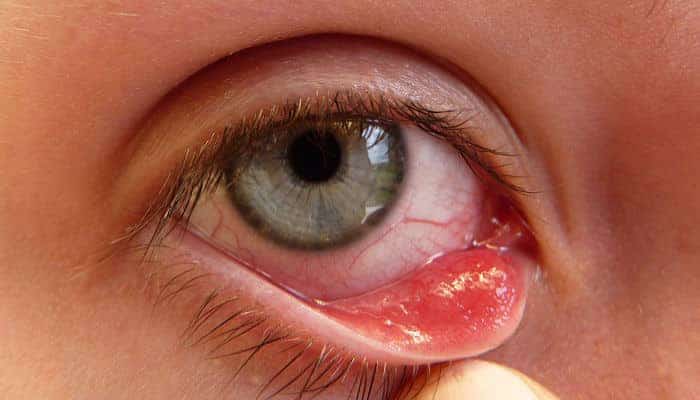
Patients often look for ways to treat a chalazion (eyelid oil cyst) at home without surgery. While home treatment is suitable and effective in many cases, it may not be appropriate for all patients. In some situations, surgical procedures, antibiotics, or other medications become necessary. In this article, we will explore effective solutions for treating chalazion in 2024.
What Is a Chalazion (Eyelid Cyst)?
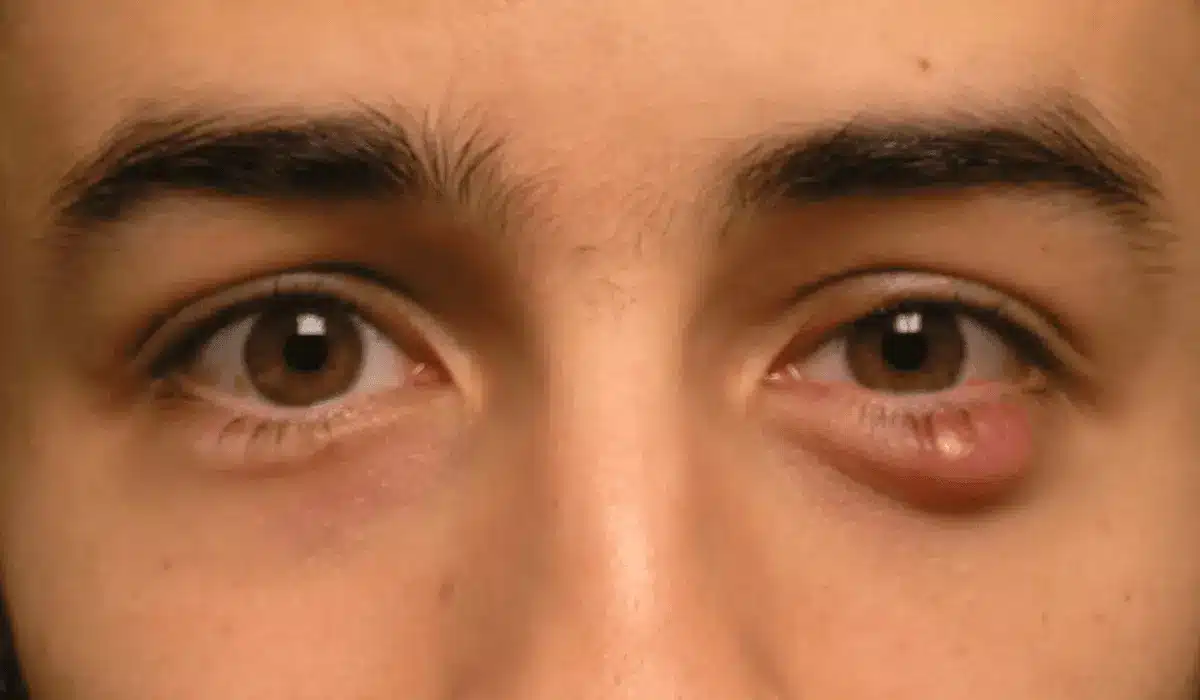
In ophthalmology, an eyelid cyst is known as a **chalazion**. It refers to a small, firm, chronic swelling that usually develops on the eyelid. In most cases, the chalazion appears as a round lump in the lower eyelid. It is typically painless and does not interfere with the structure of the eye itself.
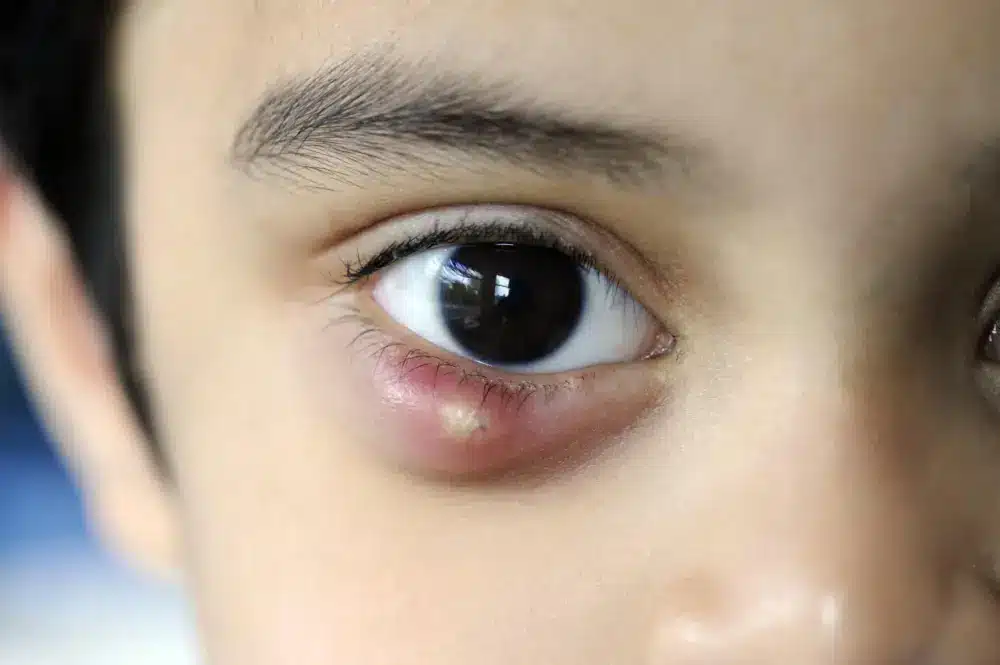
At the same time, a chalazion can be described as a soft, white or yellowish lump that slowly grows under the skin due to blockage of an oil gland or hair follicle, or after minor trauma such as a scratch. These lumps are filled with a thick, oily material.
In rare cases, a lesion that looks like a chalazion may actually be cancerous, especially if it shows signs of infection such as redness, pain, pus discharge, or if it grows rapidly after removal. Suspicion is higher when the lesion is larger than 5 cm in diameter.
Chalazion in English
The medical term used for a “kيس دهني بالعين” is **chalazion**. This term is widely accepted in ophthalmology and used by eye doctors to describe these slowly developing eyelid lumps that form as a result of blockage or inflammation of a meibomian (oil) gland in the eyelid.
See also: Zinc supplements and detailed information about them | Benefits of zinc for eye health.
Causes of Chalazion Formation
A chalazion usually develops when one of the **meibomian glands**—located behind the eyelashes—becomes blocked. This may happen because the oils it produces become thicker and more viscous, or because the gland itself becomes inflamed. It is relatively uncommon for a chalazion to result from an actual infection.
Meibomian glands are responsible for secreting oily substances that lubricate and protect the surface of the eye. Several factors may increase the risk of developing a chalazion, including but not limited to:
See also: Healthy nutrition | Everything you need to know about it and its effect on the eyes.
Symptoms of a Chalazion
Chalazia are more commonly seen in the upper eyelid than the lower eyelid. Initially, the lesion presents as a small, inflamed lump on the eyelid that may cause mild pain or tenderness. Over time, it enlarges gradually and usually becomes painless. The swelling remains localized to the affected gland and does not typically involve the entire eyelid.
Other possible symptoms include:
See also: Eyelid dermatitis | What you need to know about eyelid skin inflammation.
Diagnosing a Chalazion
Diagnosis of a chalazion is based mainly on the patient’s medical history and a careful examination of the eyelids and eyelashes. The eye doctor may use a bright light and a magnifying device (such as a slit lamp) to examine the eyelid and the openings of the oil glands more closely.
In rare cases, the physician may order additional tests, such as taking a biopsy (sample) from the lesion to be examined in a laboratory. This is usually done when there is concern that the lesion could be a type of skin cancer.
Treatment Options for a Chalazion
In many cases, a chalazion resolves on its own or with simple home care measures, and no further treatment is needed. However, some cases require surgical intervention or the use of medications, which may be the most appropriate solution depending on the situation. Below are the main treatment methods in detail:
Surgical Treatment
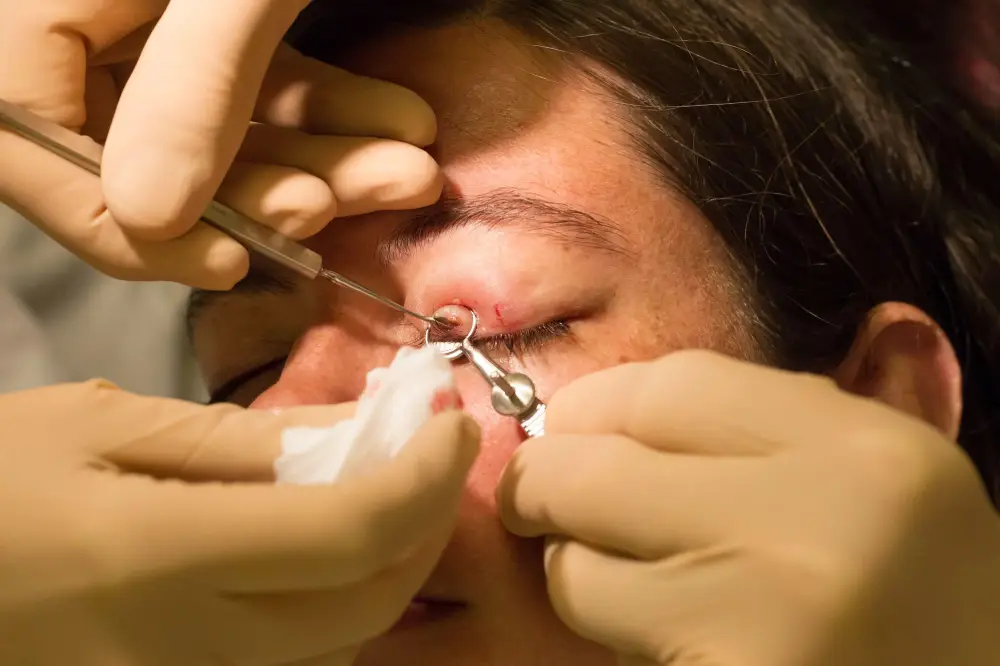
In some cases, the chalazion is treated surgically. The procedure involves making a small incision in the eyelid and draining the contents of the cyst. This is usually performed under local anesthesia.
Non-Surgical Treatment
Non-surgical management is the first-line approach in most cases and is usually done at home. It includes:
– Applying **warm compresses** to the affected eyelid for several minutes, several times a day, then gently massaging the area. This helps open the blocked oil glands and soften the trapped secretions.
– Using **topical antibiotics**, such as antibiotic eye drops or ointments, prescribed by the doctor when there is an associated bacterial infection.
– In some situations, **oral antibiotics** may be needed.
– Certain resistant or recurrent cases may require a **direct steroid injection** into the lesion to reduce inflammation and shrink the chalazion.
See also: Eye freckles | Causes, symptoms, and treatment – Nasolacrimal duct obstruction.
Techniques Used at Al Batal Specialized Medical Complex Eye Center for Treating Chalazion
The Eye Center at Al Batal Specialized Medical Complex uses different techniques to treat chalazion, depending on the patient’s condition and how well they respond to home and conservative treatments before considering surgery.
When there is any suspicion of malignancy, the center relies on several diagnostic tests and procedures to rule out cancer, including:
See also: Nutmeg and its benefits for eye health – Dacryocystitis (inflammation of the lacrimal sac) – causes and symptoms.
Special Cases: Chalazion in Children
The causes of chalazion in children can be different from those in adults. They may be related to acute (sudden) conditions or chronic underlying issues that require accurate diagnosis and close follow-up to prevent recurrence. Some of the main causes of chalazion in children include:
Complications of a Chalazion
Whether the chalazion is in the upper or lower eyelid, various eye-related complications can occur, especially if treatment is neglected or if improper treatment methods are used. These complications may include:
In conclusion, we have discussed the most common causes of chalazion, highlighted important information about its symptoms, and reviewed appropriate treatment options. You can contact us at the Eye Center in Al Batal Specialized Medical Complex to receive the best guidance and treatment plans for eyelid cysts (chalazia).
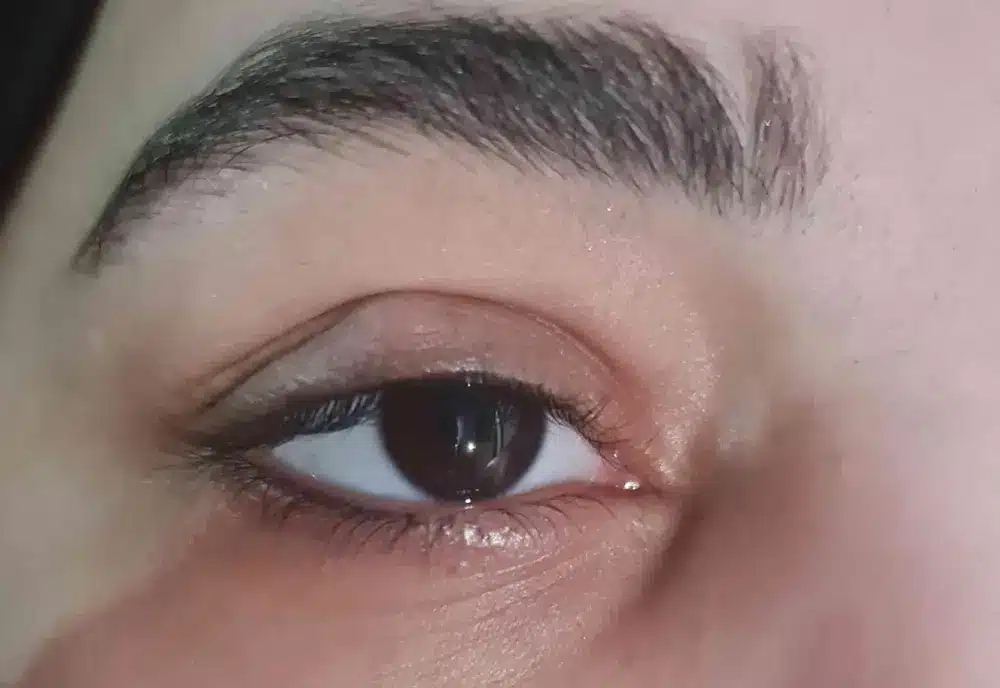
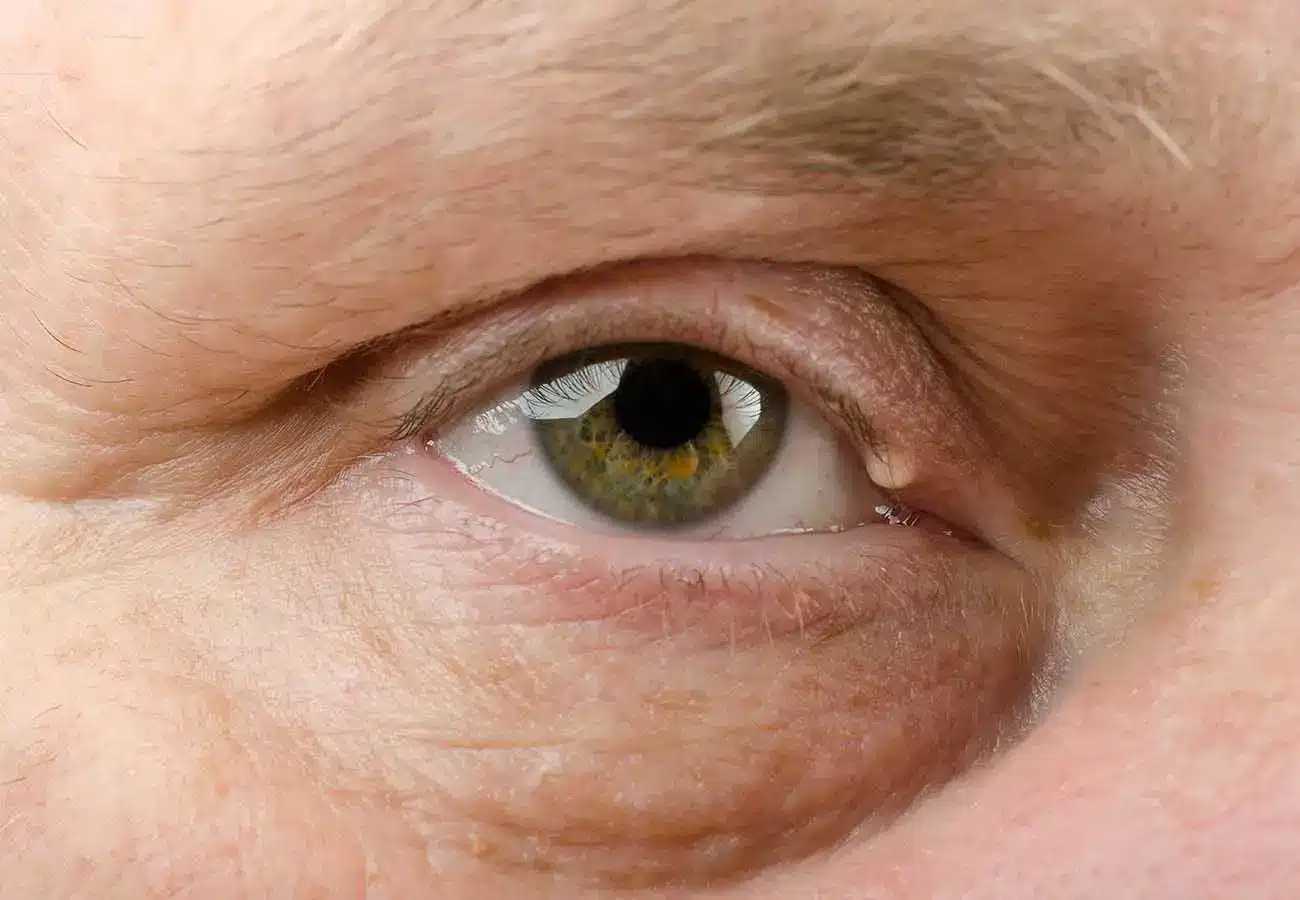
Chalazion (Eyelid Cyst) Pictures