Med info
Comprehensive Treatment of Mild Eyelid Ptosis in Children and Adults 2026

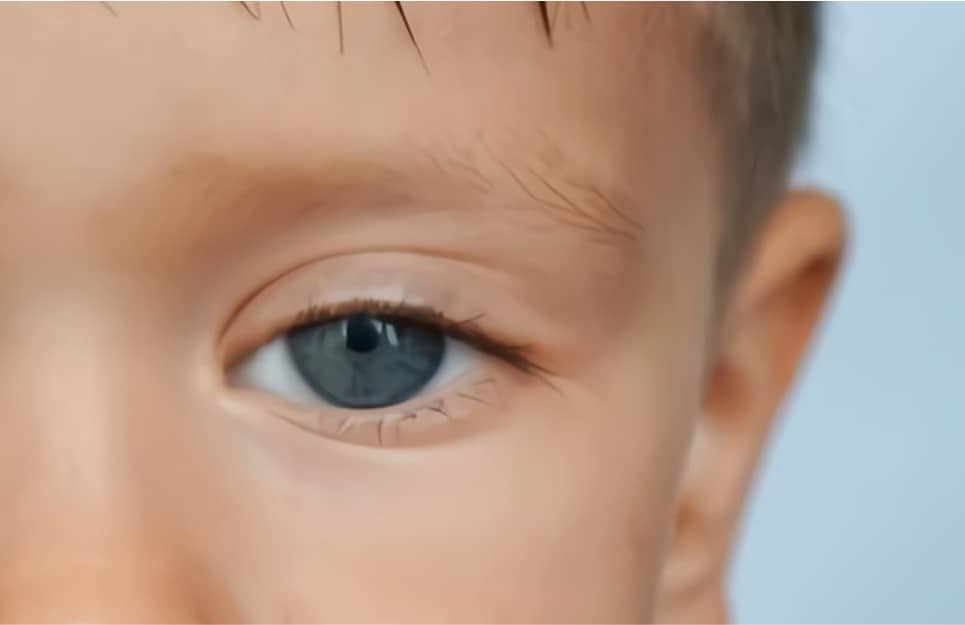
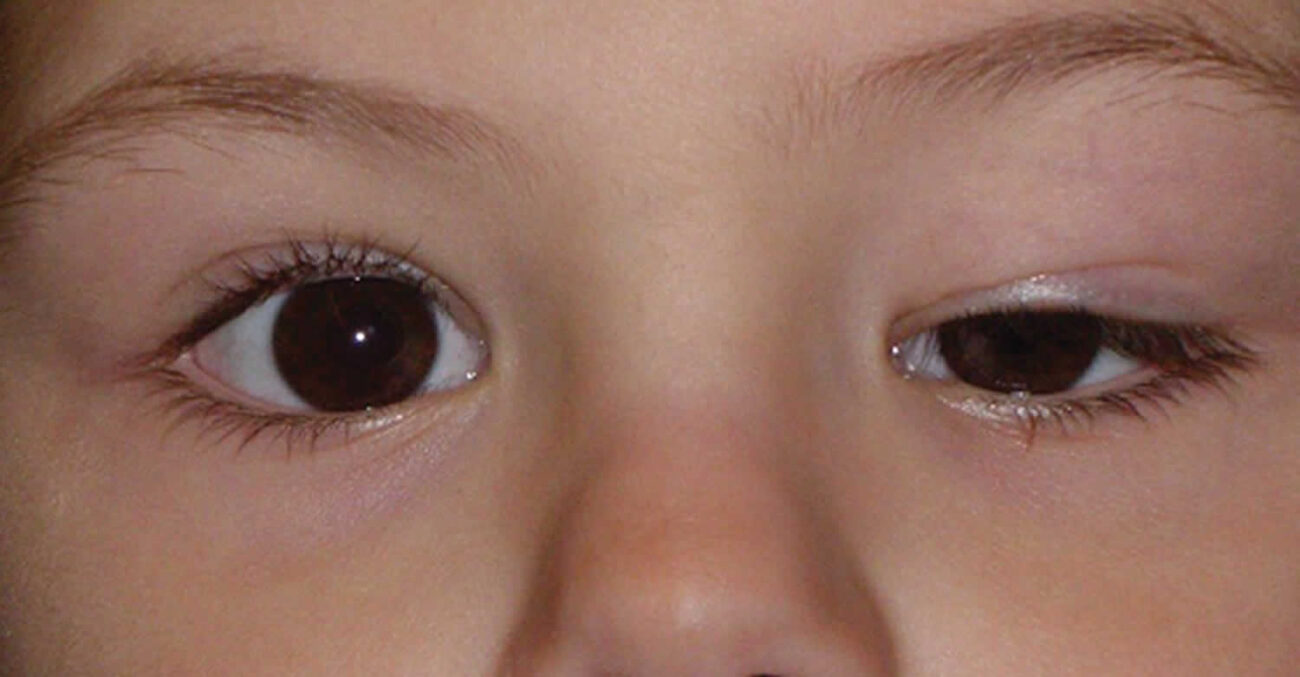
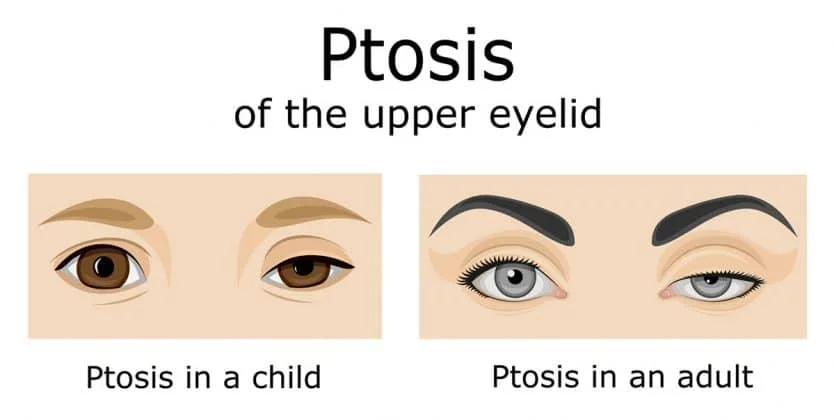
Mild eyelid ptosis in children and adults refers to drooping of the upper eyelid. The lid may droop slightly or may cover the pupil (the dark center of the eye). One eyelid or both eyelids can be affected.
When the drooping is present at birth, it is called congenital ptosis. However, if ptosis is severe in one eyelid, the child’s vision in that eye may not develop properly.
This can lead to amblyopia (lazy eye), a condition in which the brain relies mainly on images from the stronger eye. Ptosis that develops later in life is called adult or acquired ptosis.
Causes of Eyelid Ptosis in Children and Adults
Eyelid Ptosis in Children and Adults | Causes and Treatment
Congenital ptosis in children occurs when the levator muscle—the main muscle responsible for lifting the upper eyelid—is poorly developed or weak. Children with ptosis may also have other problems, such as underlying muscle or nerve disorders.
Acquired (adult) ptosis develops later in life when there is a problem affecting one of the following:
– The levator muscle itself
– The tendon attaching the levator muscle to the eyelid
– The nerves controlling the eyelid muscles
– The surrounding tissues that support the eyelid
These problems may result from:
– Age-related changes and loss of tissue elasticity
– Previous eye surgery or trauma
– Neurological conditions (such as third nerve palsy or myasthenia gravis)
– Systemic muscle diseases
– Tumors or masses around the eye or in the orbit
If eyelid drooping occurs suddenly, it can sometimes be caused by a brain aneurysm. This is a medical emergency and requires immediate evaluation and treatment.
Read also: Types of Eye Shapes in Detail
Symptoms of Eyelid Ptosis in Children and Adults
People with ptosis may tilt their head back or raise their eyebrows in an attempt to lift the drooping eyelid and see better.
Adults may notice decreased vision, especially in the upper part of their visual field. After many years of holding their head in an abnormal position, some patients may develop head or neck deformities or chronic neck pain.
Read also: Eyelid Lift Surgery | The Complete Guide from Batal Specialized Center
How Is Eyelid Ptosis Diagnosed?
Your doctor will examine your eyes and eyelids carefully and may order blood tests, X‑rays, or other imaging tests (such as CT or MRI scans) to determine the underlying cause and the most appropriate treatment plan.
The effects of congenital ptosis do not go away on their own, and the condition will not improve without surgery. Early correction, however, helps the child develop normal vision in both eyes and reduces the risk of amblyopia.
Some types of acquired ptosis caused by nerve problems can improve spontaneously without surgery. Ptosis resulting from certain muscle diseases may improve when the underlying disease is treated with appropriate medications. In many cases, however, the drooping persists until corrective eyelid surgery is performed.
For more information about treating eyelid ptosis in children and adults, you can contact Batal Medical Center online or book an appointment for a consultation and examination.
The ophthalmologists at Batal Center welcome patients and bring advanced experience from leading eye centers around the world.
Read also: What Do You Know About Eye Ointment?
Treatment of Mild Eyelid Ptosis in Children and Adults
Treatment of Eyelid Ptosis in Children and Adults
The most common and effective treatment for congenital ptosis (eyelid drooping present at birth) is a surgical procedure known as blepharoplasty or ptosis repair. During ptosis surgery, the muscle responsible for elevating the upper eyelid is tightened or repositioned higher to improve eyelid height.
Excess skin and fat in the upper eyelid area are often removed, as they can contribute to additional drooping.
In cases of acquired ptosis that develop later in life, treating the underlying cause can sometimes resolve or improve the drooping.
For example, ptosis caused by a tumor may improve once the tumor is removed.
Ptosis due to certain nerve disorders can sometimes be managed with specialized rehabilitative techniques or therapies that help retrain the eyelid to remain in a higher position, although surgery is often still required for optimal correction.
Read also: Non-Surgical Upper Eyelid Aesthetics – How Is It Done?
Recovery Time After Treating Mild Eyelid Ptosis in Children
Recovery after ptosis surgery varies from one patient to another. Most people can return to work and resume normal daily activities about one week after the procedure, depending on the nature of their job and how quickly they heal.
For several weeks after surgery, you will need to avoid direct sun exposure, as sunlight can irritate the thin, healing skin of the eyelids. Wearing sunglasses and a hat outdoors is usually recommended.
You should also avoid applying makeup to the upper eyelid for about four to six weeks following treatment, as cosmetics can irritate the incision area and delay healing.
Most patients see the final result of ptosis repair or blepharoplasty about six to eight weeks after surgery. This time frame allows swelling and bruising to resolve and gives the eyelid tissues time to settle into their new position.
Number of Treatments Needed for Mild Eyelid Ptosis in Children
Ptosis repair surgery is typically performed once, and a well‑done blepharoplasty or ptosis correction usually provides long‑lasting or permanent results.
However, if the drooping eyelid is caused by an ongoing underlying condition or a persistent factor (such as progressive muscle disease or neurological disorders), the eyelid may continue to droop over time despite previous treatment.
In such acquired ptosis cases, where the eyelid continues to droop, additional or alternative treatment options may be required.
A consultation with a qualified oculoplastic or plastic surgeon can help evaluate your condition and determine whether ptosis surgery is likely to provide lasting results or whether further interventions might be needed in the future.
Read also: Eye Test | Everything You Need to Know
Are There Any Risks Associated with Treating Mild Eyelid Ptosis in Children?
Blepharoplasty or ptosis repair is usually performed under general anesthesia in children and sometimes under local anesthesia with sedation in adults. General anesthesia carries standard risks such as allergic reactions, breathing difficulties, or, very rarely, stroke or other serious complications.
These complications are uncommon, and a thorough preoperative medical evaluation helps identify any health factors that might increase your risk and allows the anesthesia team to prepare accordingly.
Risks specific to blepharoplasty and ptosis repair include:
– Infection
– Bleeding and bruising
– Dry eyes
– Itching or irritation around the eyes
– Temporary blurred or double vision
– Asymmetry or overcorrection/undercorrection of the eyelid position (rare but possible)
Is Ptosis Treatment Painful?
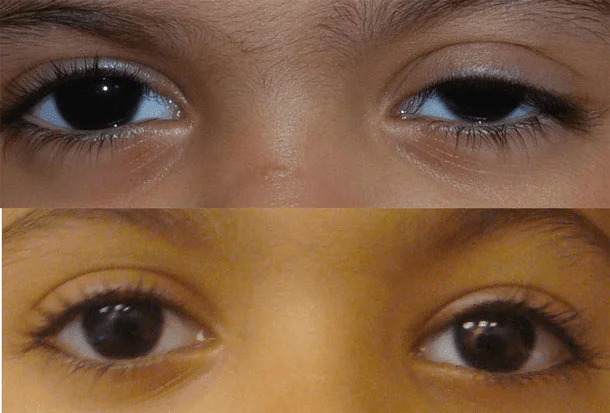
Is Ptosis Treatment Painful?
Ptosis surgery is performed under general anesthesia (especially in children) or local anesthesia with sedation (commonly in adults), so the patient does not feel pain or discomfort during the procedure itself.
After surgery, it is common to experience mild swelling, bruising, and some soreness or a feeling of tightness in the eyelid area for a few days.
These symptoms are usually manageable with over‑the‑counter pain relievers recommended by your doctor and by using cold compresses as instructed.
Once the eyelids have fully healed after ptosis treatment in children or adults, there should be no ongoing pain or discomfort, and vision and eyelid function are typically improved.

Batal Specialized Medical Complex in Saudi Arabia is regarded as one of the leading and most advanced centers in the field of eye care and ophthalmic surgery. The center’s reputation continues to grow thanks to the high level of expertise of its ophthalmologists and the availability of state‑of‑the‑art diagnostic and treatment technologies for all types of eye conditions.
If you are experiencing any eye problem, schedule an appointment at Batal Specialized Complex to receive the best possible medical consultation and care from a highly qualified eye specialist.