
Med info
Hypothyroidism | Causes, Symptoms, Testing, and Treatment

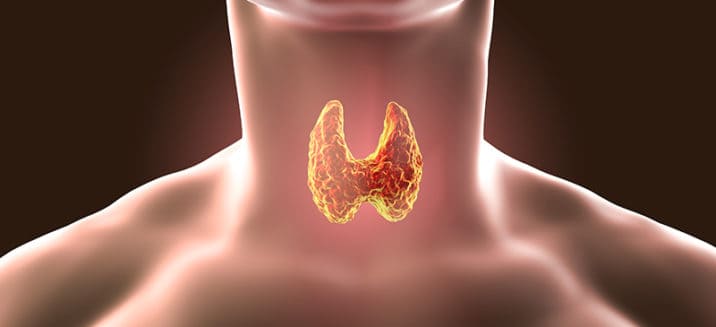
Hypothyroidism is a condition in which the thyroid gland does not produce enough thyroid hormone. It is often referred to as an underactive thyroid.
There are also several alternative terms used for thyroid disorders, including: myxedema, adult-onset hypothyroidism, goiter with hypothyroidism, and thyroiditis.
Causes of Hypothyroidism
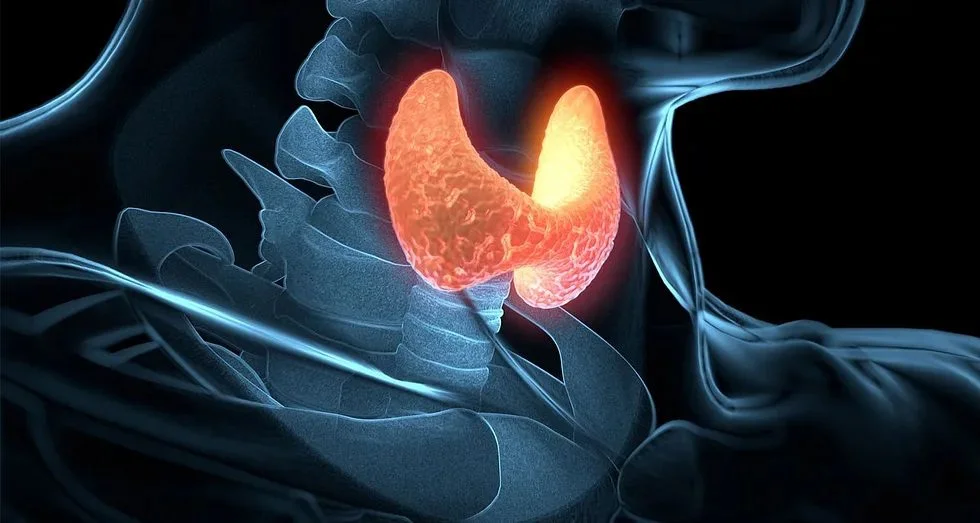
Hypothyroidism: Everything You Need to Know
The thyroid gland is a key organ in the endocrine system. It is located at the front of the neck, just above where the collarbones meet.
The thyroid produces hormones that control how every cell in the body uses energy. This process is called metabolism.
Hypothyroidism is more common in women and in people over the age of 50.
The most common cause of hypothyroidism is thyroiditis (inflammation of the thyroid gland). Swelling and inflammation damage the cells of the thyroid.
See also: Chalazion (Eyelid Cyst) | Detailed Information and Important Updates
The causes of this condition include:
See also: Healthy Nutrition | Everything You Need to Know and Its Effect on the Eyes
Other causes of hypothyroidism include:
See also: Blood Sugar Levels and Their Impact on the Eyes
Symptoms of Hypothyroidism
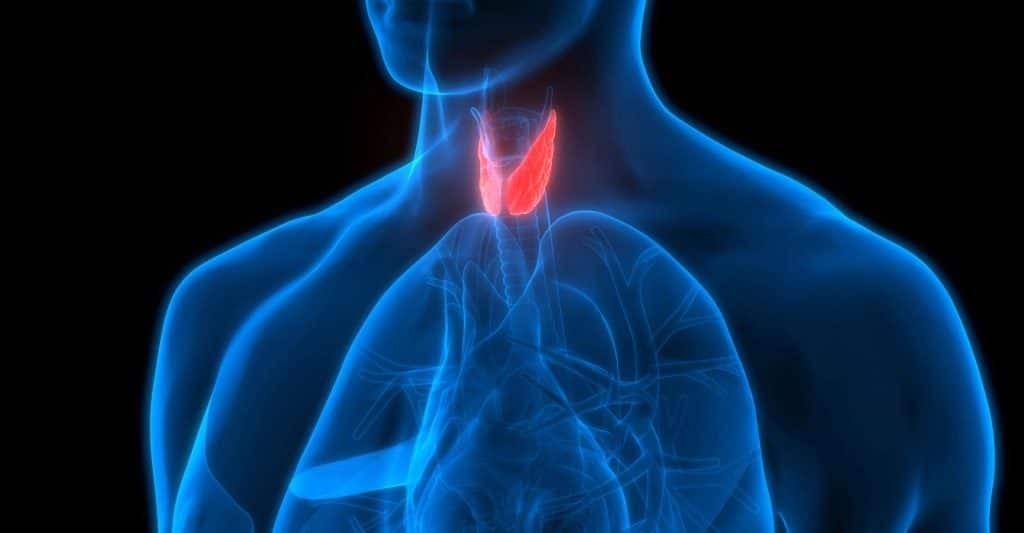
Symptoms of Hypothyroidism
Early symptoms may include:
On the other hand, if hypothyroidism is not treated, later (more advanced) symptoms can appear, such as:
Testing for Hypothyroidism
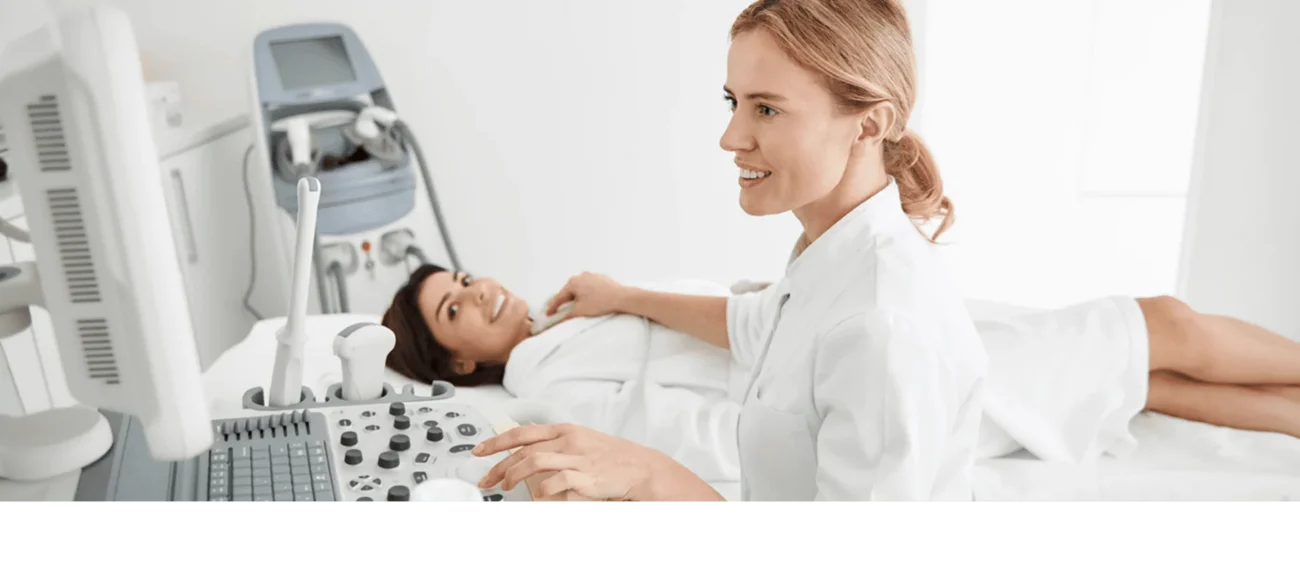
Testing for Hypothyroidism
Your healthcare provider will perform a physical examination and may find that your thyroid gland is enlarged. In some cases, the thyroid may be normal in size or even smaller than normal.
Testing may also reveal:
You may also undergo additional tests to check for:
See also: Ptosis (Droopy Eyelids) in Children and Adults | Causes and Treatment
Treatment

Treatment
The goal of treatment is to replace the thyroid hormone your body is lacking. Levothyroxine is the most commonly used medication:
When you take thyroid hormone replacement, keep the following in mind:
Do not stop taking your medication, even if you start to feel better. Continue to take it exactly as prescribed by your provider.
If you switch brands of thyroid medication, tell your doctor. Your levels may need to be checked and your dose adjusted.
What you eat can affect how well your body absorbs thyroid medication. Talk with your doctor if you consume large amounts of soy products or follow a high‑fiber diet.
Thyroid medication works best on an empty stomach and when taken at least one hour before any other medications. Ask your doctor whether you should take your dose at bedtime.
Taking it at bedtime may allow your body to absorb the medication more effectively than taking it during the day.
Also, wait at least 4 hours after taking thyroid hormone before you take fiber supplements, calcium, iron, multivitamins, aluminum hydroxide antacids, colestipol, or bile acid–binding medications.
While you are on thyroid hormone replacement, tell your doctor if you notice any symptoms that may mean your dose is too high, such as:
In most cases, you will likely need to take thyroid hormone replacement for the rest of your life.
Batal Specialized Complex in Saudi Arabia is regarded as one of the leading, most advanced medical centers in the field of eye care and ophthalmology. The center’s reputation is growing day by day thanks to the excellent outcomes achieved by its physicians, as well as its use of state‑of‑the‑art technologies for eye examination and treatment.

If you are experiencing any eye problem, schedule an appointment at Batal Specialized Complex to receive the best medical consultation from an experienced ophthalmologist at the center.
See also: Age Calculator and How Aging Affects the Eyes