Med info
Entropion Repair: Definition, Types, Treatment, and Causes

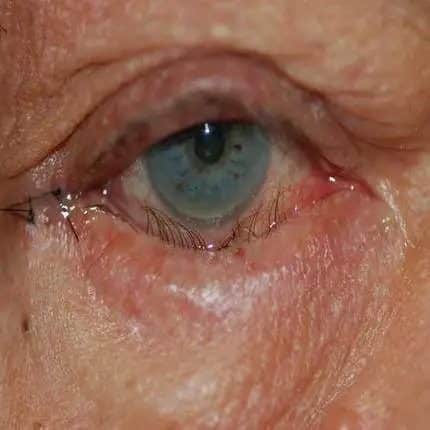
Entropion is a condition in which your eyelid turns inward toward the eye. As a result, your eyelashes and eyelid skin rub against the surface of the eye, causing discomfort to the cornea and the front part of the eye.
Entropion is common in adults over 60 and can be treated in several ways, including soft contact lenses, Botox injections, or surgery.
Read also: Upper Eyelid Lift Without Surgery – How Is It Done?
What Is Entropion?
Entropion repair
Entropion occurs when the eyelid turns inward toward the eyeball. In this condition, the eyelid skin and eyelashes rub against the eye, often causing irritation and discomfort in the cornea (the front surface of your eye).
Entropion usually affects the lower eyelid and can involve one side or both (bilateral entropion). If left untreated, it can damage the cornea and potentially lead to vision loss.
Read also: Chalazion (Eyelid Cyst) | Detailed Information and Important Updates
What Is the Difference Between Entropion and Ectropion?
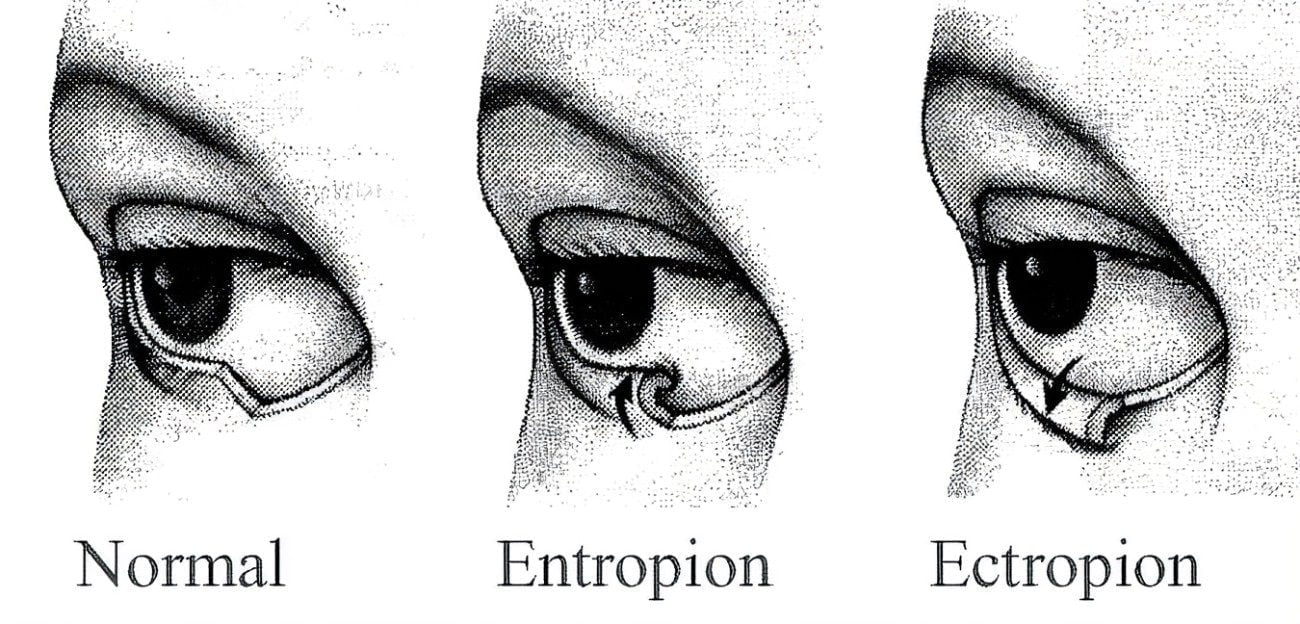
What is the difference between entropion and ectropion?
While entropion refers to an eyelid that rolls inward, ectropion refers to an eyelid that turns outward and away from the eyeball.
Entropion is more common in people over the age of 60.
According to the American Academy of Ophthalmology, entropion affects about 2.1% of people over age 60.
How Serious Is Entropion?
It’s important to treat entropion to avoid complications that can become permanent. Complications related to an inward‑turning eyelid include:
– Chronic eye irritation and redness
– Recurrent eye infections
– Corneal abrasions (scratches)
– Corneal ulcers and scarring
– Decreased vision or permanent vision loss in severe, untreated cases
What Are the Symptoms of Entropion?
Entropion causes several uncomfortable symptoms in the eye. When the condition first develops, symptoms may appear only occasionally.
Over time, symptoms usually become constant. Common signs and symptoms of entropion include:
– A feeling that something is in the eye (foreign body sensation)
– Eye redness
– Tearing or watery eyes (epiphora)
– Burning or irritation
– Sensitivity to light and wind
– Mucous discharge
– Blurred vision if the cornea becomes affected
Read also: Eye Before‑and‑After Photos Following Treatment
What Causes Entropion?
Most age‑related entropion is caused by looseness (laxity) or weakening of the lower eyelid. Scarring can also pull the eyelid inward, leading to cicatricial entropion.
Entropion is common in adults over 60 because the supporting tissues of the eyelid weaken with age, allowing the eyelid muscles to rotate the lid inward.
Other causes of an inward‑turning eyelid include eye injuries, infections, and prior eye or eyelid surgery that leads to scarring.
What Are the Risk Factors for Entropion?
Aging is the biggest risk factor for entropion. People who have had previous eye trauma or surgery are also at higher risk due to scar tissue forming on the eyelids.
How Is Entropion Diagnosed?
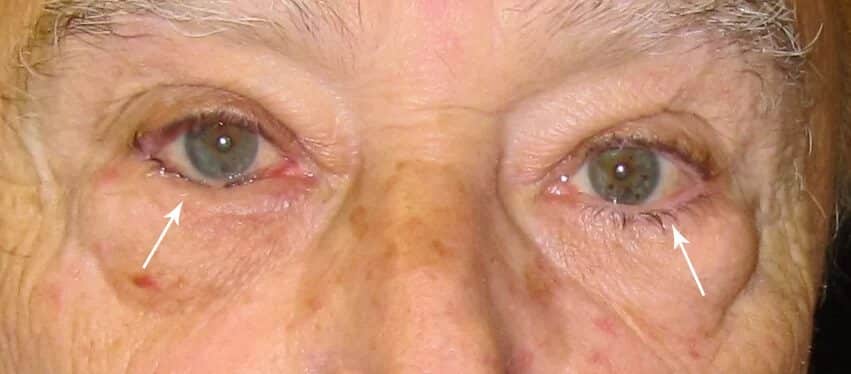
Your eye care provider diagnoses entropion during a comprehensive eye examination. Additional tests are usually not necessary.
How Is Entropion Repaired?
How is entropion repaired?
Your eye care provider may treat entropion in several ways. Common treatment options include lubricating eye drops, soft contact lenses, medical tape or temporary sutures, Botox injections, and surgical entropion repair.
Read also: Eyelid Lift Surgery | The Complete Guide from Batal Specialist Center
Lubricating Eye Drops and Ointments
Keeping the eye well lubricated with ointments and artificial tears is essential to maintain moisture and reduce discomfort. However, this is not a long‑term solution and does not correct the underlying eyelid position.
Soft Contact Lenses
Your provider may recommend soft contact lenses (therapeutic or bandage contact lenses) to protect the eye surface from irritation. These lenses act like a bandage to help relieve symptoms and are available with or without prescription power.
Medical Tape
Medical adhesive tape can be used to temporarily reposition the eyelid. For a longer‑lasting solution, your provider may numb the eyelid with a local anesthetic and place temporary sutures to hold the eyelid in a better position.
The resulting scar tissue can help keep the eyelid turned slightly outward for several months, but in most cases this is not a permanent fix.
Botox (Botulinum Toxin)
A small amount of botulinum toxin can be injected to weaken the eyelid muscles that are pulling the lid inward. This can be repeated every three to four months if surgery is not an option or must be delayed.
Entropion Surgery
Surgery is usually performed to correct the inward‑turning eyelid and restore it to a normal position. These procedures are typically done under local anesthesia to numb the eyelid, and most patients can go home the same day.
Common surgical techniques for entropion repair include:
Lateral Eyelid Tightening
This procedure shortens and tightens the eyelid (often by tightening the lateral canthal tendon) to restore proper eyelid position.
Reinsertion of the Retractors
In this technique, the lower eyelid retractors (the muscles and tendons that help open and close the eyelid) are reattached or tightened to pull the eyelid back into its normal position.
Can I Prevent Entropion?
Can I prevent entropion?
Because entropion often occurs naturally with aging or as a result of scarring, it can be difficult to prevent. To reduce the risk of entropion caused by injury, wear appropriate protective eyewear during activities that could harm your eyes.
What Can I Do If I Have Entropion?
Most people who receive treatment for entropion before significant eye damage occurs have excellent outcomes. Surgery usually corrects the problem, and the condition rarely returns.
If you have entropion and are considering entropion repair, you may want to ask your doctor:
– What complications should I watch out for?
– Is there anything I should avoid while I’m recovering?
– Do I need a follow‑up visit, and if so, when?

Finally, Batal Specialist Center in Saudi Arabia is considered one of the leading and most advanced medical centers in eye care and eye disease treatment. The center is gaining increasing recognition thanks to the strong reputation of its ophthalmologists and its use of the latest technologies in eye diagnosis and treatment.
If you are experiencing any eye problem, schedule an appointment at Batal Specialist Center to receive the best possible medical consultation from a qualified eye specialist at the center.