Med info
Eyelid Retraction Surgery | Causes and Treatment

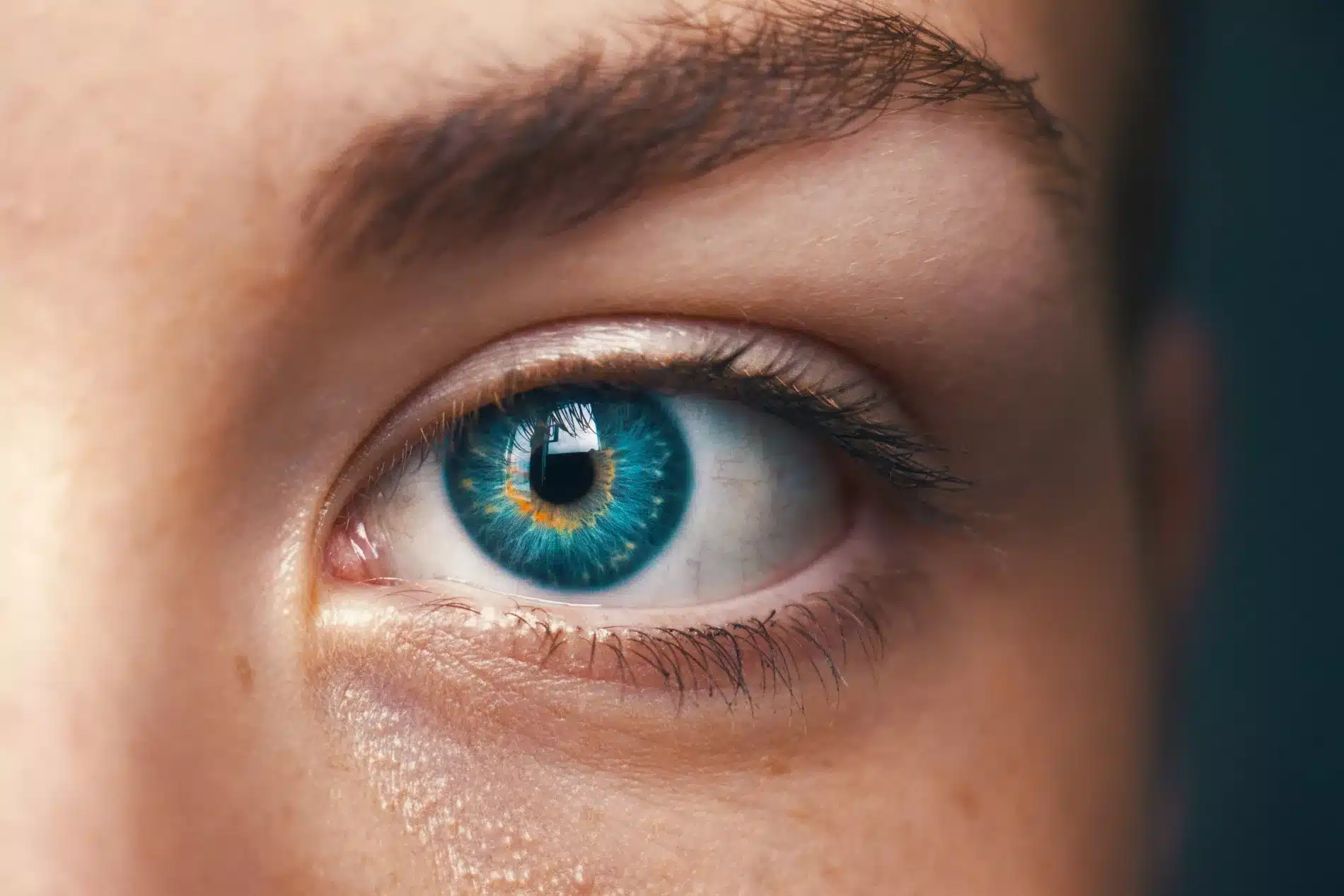
Eyelid retraction occurs when the eyelid does not adequately cover the eyeball while a person is in a normal, relaxed state and not surprised or excited. Under normal conditions, the eyelids should close easily and cover the eyes completely.
The Eye Center at Batal Specialized Complex in Saudi Arabia is considered one of the leading centers in terms of physician expertise, advanced technology, and comprehensive patient care with effective treatment options.
Read also: Healthy Nutrition | Everything You Need to Know and Its Effect on the Eyes
Eyelid Retraction
When the eyelids retract, appearance certainly changes, but more importantly, the condition can be very uncomfortable. It may also be associated with eye bulging. Symptoms of eyelid retraction can lead to:
Read also: Eyelid Lift Surgery | The Complete Guide from Batal Specialized Complex
Main Causes of Eyelid Retraction
The most common cause of eyelid retraction is hyperthyroidism, a medical condition known as Graves’ disease. Thyroid eye disease (thyroid ophthalmopathy) develops when the thyroid gland is unstable. Other symptoms of thyroid disease often appear at the same time, such as increased metabolism and difficulty gaining weight.
Other causes of eyelid retraction include:
Read also: Right Eye Headache | Causes and Treatment
Upper Eyelid Retraction Surgery
Surgery to correct upper eyelid retraction is usually performed in the doctor’s office under light intravenous (IV) sedation. The patient also receives local anesthetic injections to fully numb the treatment area and remains seated in an upright position during the procedure so the surgeon can accurately assess eyelid symmetry as they work.
In some cases, upper eyelid retraction surgery can be completed in a single session. When eyelid retraction is severe enough to affect vision, it is considered medically necessary and may be covered by insurance. However, in mild cases, many insurance companies classify the procedure as cosmetic.
Potential surgical options should always be discussed with the ophthalmologist at the Eye Center in Batal Specialized Complex after a thorough consultation and examination, in order to reach an accurate diagnosis and a suitable treatment plan.
Read also: Types of Eyelid Surgery in Detail
Lower Eyelid Retraction Surgery
When treating lower eyelid retraction, fibrous tissues and muscle in the lower eyelid are released or removed, and a spacer graft is placed to support and elevate the lid into the correct position. This spacer material is often taken from the patient’s own tissue elsewhere in the body. Skin or mucosal tissue may be harvested from the inner ear (conchal cartilage area) or the inside of the mouth. Once the graft is positioned, the tendons and supporting structures around the eye are tightened to reposition the outer layer of the lower eyelid.
Postoperative asymmetry is uncommon in lower eyelid retraction surgery and is usually less noticeable than asymmetry following surgery on the upper eyelids. This procedure is typically considered medically necessary, because lower eyelid retraction can be particularly painful and often leaves the eye exposed and chronically dry.
Read also: Ptosis in Children and Adults | Causes and Treatment
Postoperative Care After Eyelid Retraction Surgery
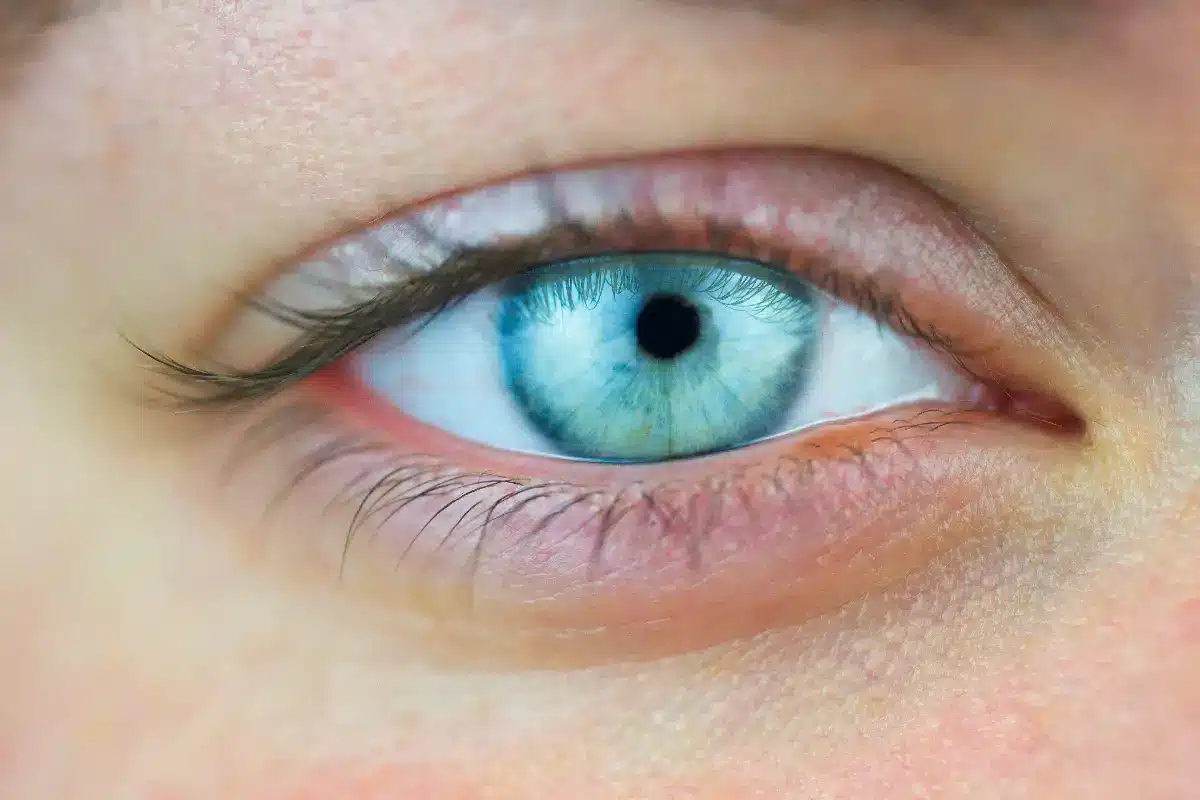
Most patients are able to go home within about an hour after the procedure. It is best to have someone available to drive the patient home, as they may still feel drowsy or groggy from the anesthesia. Initial postoperative care for eyelid retraction surgery usually includes the following instructions:
Significant swelling is likely after surgery, especially in patients who have undergone surgery to correct thyroid eye disease–related changes. If the surgery was done primarily for cosmetic reasons, the swelling may resolve more quickly. In general, about 70–80% of the swelling should subside within roughly one week, and around 90% by the end of the second week.
Read also: Hypothyroidism | Causes, Symptoms, Testing, and Treatment
Eyelid Retraction Surgery
Expected Results of Eyelid Retraction Surgery
The goal of eyelid retraction surgery is to either lower or raise the eyelid margin so the eyes are properly covered and uncomfortable symptoms are relieved. An additional benefit can be improved vision. However, because of surgical trauma and the associated incisions, patients usually experience puffiness for a week or more, so the final results are not immediately visible.
It is essential to ensure that your eye surgeon has specific experience with eyelid retraction surgery in order to receive the best possible care. While eyelid retraction surgery is generally safe and successful, with relatively few patients needing repeat procedures, there are still risks associated with any surgery, which may include:
There are few non-surgical options for correcting eyelid retraction. Botulinum toxin (Botox) injections may help prevent the retraction from worsening for a period of time, but they merely delay the need for definitive treatment. Lubricating eye drops can make the eyes feel more comfortable, but they do not correct the underlying problem. Surgical correction remains the only way to definitively address eyelid retraction.

We recommend discussing all symptoms and potential treatment options at the Eye Center in Batal Specialized Complex, where a comprehensive examination can be performed to establish an accurate diagnosis and provide appropriate treatment.
Read also: Eye Massage | Detailed Information About Eye Massage