
Med info
Everything You Need to Know About Pterygium Surgery

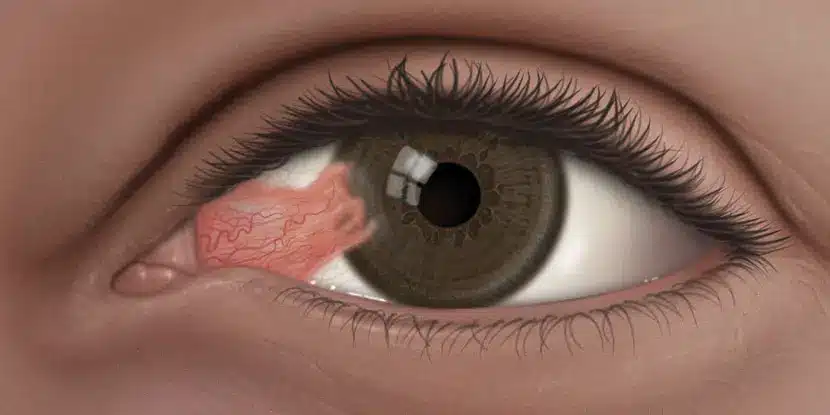
Pterygium is a condition where a fleshy growth appears on the white part of the eye, known as the sclera. It’s often nicknamed “surfer’s eye” because one of the most common causes is sun glare, which is intensified when you’re out on the water.
Pterygia are usually noncancerous, but they can be disfiguring. The whitish growth can lead to blurry vision and eye pain. If the pterygium is small and not causing significant discomfort, your ophthalmologist may treat it with lubricating eye drops and monitor it closely. However, if it starts to affect your vision, appearance, or comfort, pterygium surgery may be the better option.
All symptoms and possible procedural/surgical options should be discussed with your doctor at the Eye Center in Batal Specialized Complex in Saudi Arabia, to receive a thorough consultation, complete eye examination, accurate diagnosis, and appropriate treatment plan.
Also read: Eye Massage | Detailed Information About Eye Massage
Surgical Advances in Treating Pterygium
In the past, the standard surgery for removing a pterygium was called the “bare sclera” technique. It left the white of the eye exposed, which led to a high recurrence rate. The pterygium grew back in more than 50% of patients, and the regrowth was often larger than the original lesion. Newer techniques have significantly reduced recurrence rates to somewhere between 5% and 40%, depending largely on how well the eye is cared for after pterygium surgery.
You can discuss the different modern surgical options with an ophthalmologist at the Eye Center in Batal Specialized Complex in Saudi Arabia. These newer techniques have a much better chance of preventing regrowth and reducing further damage to the eye. Most pterygium removal procedures take less than 30 minutes, and you will not be able to see what is happening during the surgery.
Also read: Hypothyroidism | Causes, Symptoms, Testing, and Treatment
Pterygium With or Without Sutures
Once the pterygium is removed, the underlying conjunctiva is left unprotected. To cover the area where the growth was removed, the eye surgeon will choose one of two main methods to attach a thin graft of tissue, usually taken from the upper eyelid or another part of the conjunctiva:
Possible Complications of Pterygium Surgery
Although uncommon, surgical removal of a pterygium can lead to visual complications, such as astigmatism. Astigmatism is one of the most frequent side effects associated with pterygium surgery.
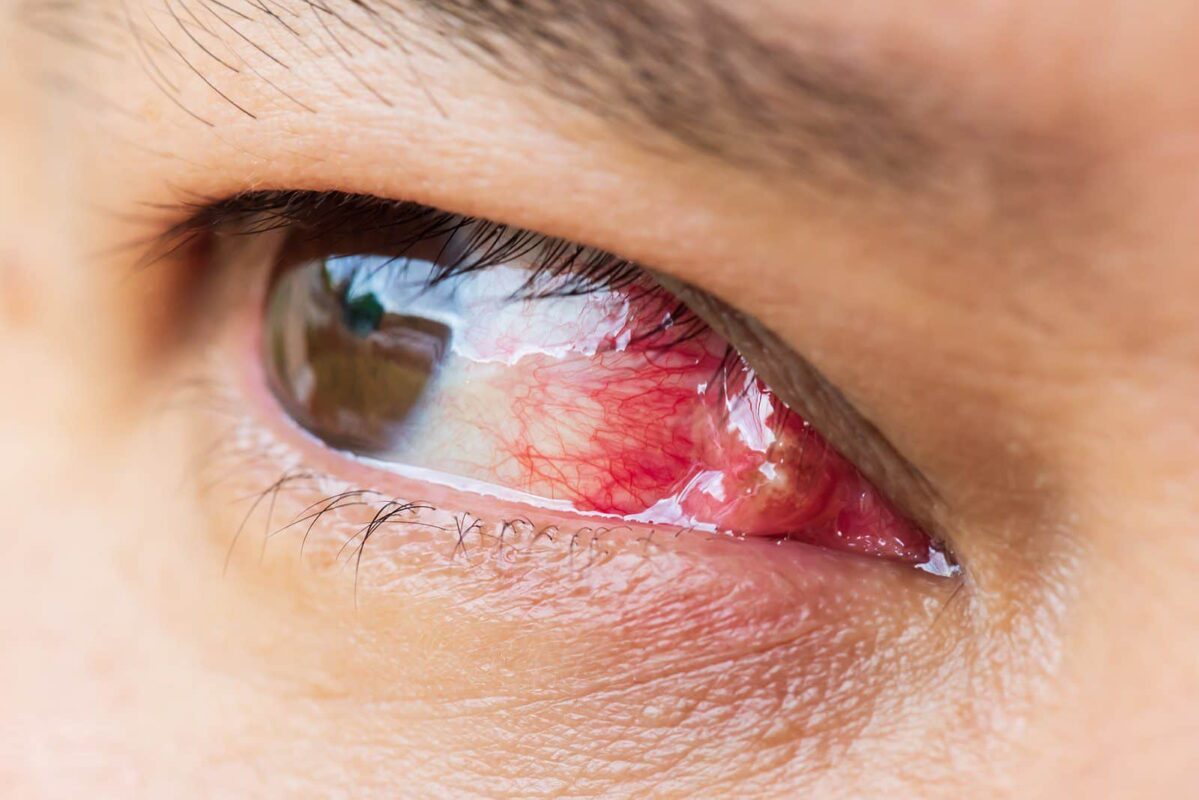
Pterygium of the eye
After Pterygium Surgery
You may experience some mild discomfort after pterygium surgery. Your doctor may or may not prescribe pain medication; over-the-counter pain relievers are usually sufficient. You will most likely need to wear an eye patch for at least two days to keep debris out of the incision and to protect the sensitive eye from further irritation or injury.
Rest is recommended for a few days. Avoid strenuous activities, especially anything that puts strain on the eyes. Keeping your head elevated as much as possible helps reduce the risk of bleeding. Most people can return to work and normal daily activities within a day or two.
Also read: Chalazion (Eyelid Cyst) | Detailed Information and Important Updates
Postoperative Care for Pterygium
To promote healing and minimize scarring after pterygium surgery, your doctor may prescribe a topical medication such as mitomycin C. It can be applied at the time of excision and continued during the recovery period if needed.
After pterygium removal, you may be advised to use steroid eye drops for at least two weeks to reduce inflammation and lower the risk of recurrence. One of the most important steps you can take to support healing and significantly decrease the chance of the pterygium coming back is wearing sunglasses that provide effective ultraviolet (UV) protection.
Prevention in Pterygium
Ideally, you should choose sunglasses that block 99–100% of both UVA and UVB rays. UVA rays can pass through clear glass and can be just as damaging as UVB rays; both types are directly linked to cancer and can contribute to conditions like pterygium.
The best protective sunglasses are labeled “UV 400,” meaning they block all light rays with wavelengths up to 400 nanometers, effectively filtering out all harmful solar UV radiation.

Sometimes a pterygium can recur even after surgical removal, regardless of the surgical technique used. This is almost always due to repeated exposure to harmful UV rays, which are the primary cause of the condition. As with any surgery, the skill and experience of your ophthalmologist are critical. For that reason, the Eye Center at Batal Specialized Complex in Saudi Arabia is recommended when you are looking for a highly experienced eye surgeon to perform pterygium surgery.
Also read: 3D View of the Human Body from the Inside

'/%3E%3C/svg%3E)