
Med info
Hyphema in the Eye | Causes, Symptoms, and Treatment of Eye Bleeding

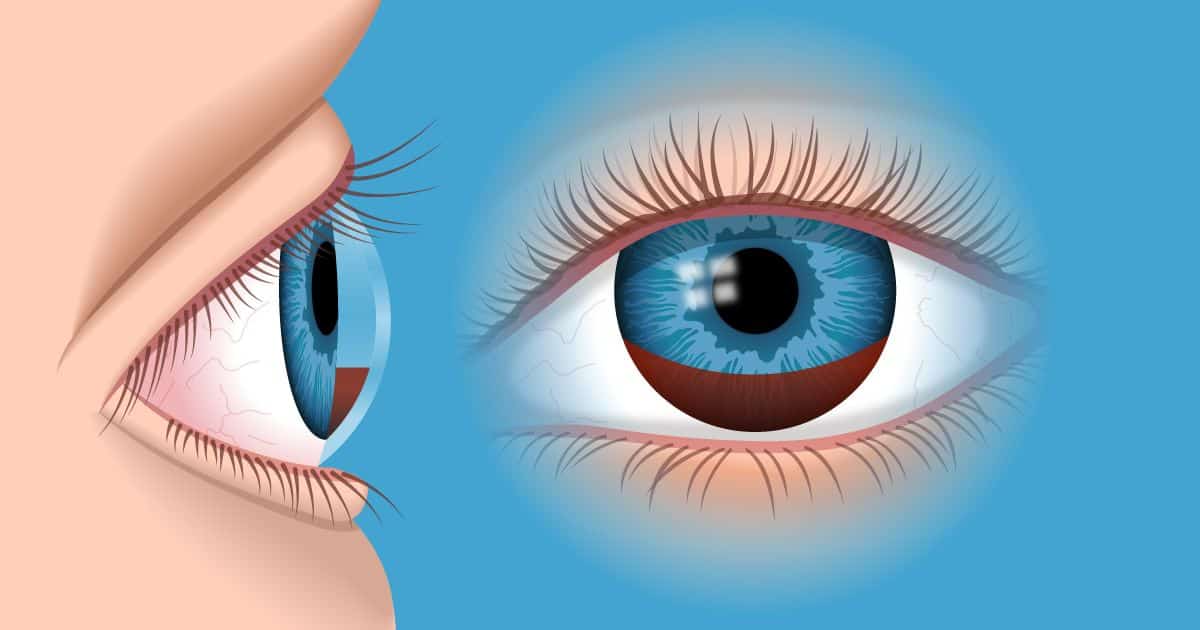
When you experience an eye injury that causes bleeding, you should visit the Eye Center at Batal Specialist Complex in Saudi Arabia immediately. If not treated promptly, hyphema can lead to permanent damage to the eye and vision.
Read also: Everything You Need to Know About Orbital Blowout Fractures
What Is Hyphema?
Hyphema is the medical term for bleeding inside the eye. In this condition, blood collects in the anterior chamber, the space between the cornea (the clear outer layer of the eye) and the iris (the colored part of the eye). It usually occurs after something hits or penetrates the eye, and sports-related trauma is the most common cause of hyphema.
Most people recover from hyphema with home-based treatment within a few days, and surgery is rarely needed. However, severe hyphema can lead to blindness in the affected eye, so it is essential to have the eye examined by an ophthalmologist.
Read also: Hyperthyroidism | Causes, Symptoms, and Treatment of Overactive Thyroid
Hyphema vs. Subconjunctival Hemorrhage
Hyphema is bleeding inside the eye, causing blood to collect between internal structures of the eye. A subconjunctival hemorrhage, on the other hand, refers to broken blood vessels on the surface of the eye and appears as a small bright-red patch on the white of the eye. Subconjunctival hemorrhage is much more common and far less serious than hyphema.
Hyphema can affect anyone, but it is relatively rare and is seen most often in children injured during sports. In fact, more than 70% of hyphema cases occur in children.
Read also: What Is Goiter? | Everything You Need to Know About Thyroid Enlargement
How Does Hyphema Affect the Body?
The most obvious way hyphema affects the body is through bleeding inside the eye. The buildup of blood in the anterior chamber can interfere with vision and may raise intraocular pressure, which can damage the optic nerve if not controlled.
Read also: Hashimoto’s Disease | Causes, Symptoms, and Treatment of Hashimoto’s Thyroiditis
What Are the Symptoms of Hyphema?
Common symptoms of hyphema include:
– Visible blood pooling in the front of the eye
– Blurred or decreased vision
– Sensitivity to light (photophobia)
– Eye pain or a feeling of pressure in the eye
– Headache, especially around or behind the eye
Read also: What Are the Treatment Options for Lacrimal Gland Tumors?
What Causes Hyphema?
Any direct trauma to the eye can cause hyphema. Sports injuries are the leading cause. Sports that frequently lead to hyphema include:
– Racquet sports (such as squash or badminton)
– Basketball
– Baseball or softball
– Soccer
– Martial arts and boxing
Airbags that deploy during a car accident can also cause hyphema.
Read also: Hypothyroidism | Causes, Symptoms, Testing, and Treatment
Hyphema Caused by Medical Conditions
Hyphema can also result from underlying medical conditions that affect blood or clotting, including:
– Bleeding disorders (such as hemophilia)
– Sickle cell disease or sickle cell trait
– Leukemia and other blood cancers
– Severe eye inflammation (uveitis)
Medications that thin the blood (anticoagulants and antiplatelet drugs), such as warfarin, heparin, or high-dose aspirin, can also increase the risk of hyphema.
Read also: Chalazion (Eyelid Cyst) | Detailed Information and Important Updates
Hyphema After Eye Surgery
Although uncommon, hyphema can develop after certain eye surgeries, such as glaucoma surgery or procedures to implant an artificial intraocular lens. In some cases, the eye can become irritated and develop uveitis (inflammation of the uveal tract) along with hyphema after surgery.
You should talk to your doctor or visit the Eye Center at Batal Specialist Complex in Saudi Arabia if you experience pain, bleeding, or any other new symptoms after eye surgery.
Read also: Healthy Nutrition | Everything You Need to Know and Its Impact on Eye Health
How Is Hyphema Diagnosed?
An ophthalmologist will diagnose hyphema by examining your eyes and performing a physical evaluation to look for related signs and symptoms. They may order additional tests, such as:
– A detailed slit-lamp eye exam
– Measurement of intraocular pressure (tonometry)
– Visual acuity testing
– Dilated fundus examination to check the retina and optic nerve
– Imaging tests (such as CT scan) if there is concern about fractures or deeper eye injuries
– Blood tests to check for bleeding disorders or sickle cell disease, especially in children
The doctor will grade the hyphema based on how much blood has collected in the anterior chamber. The grading scale ranges from 0 (no visible blood, only red blood cells seen under the microscope) to 4 (the anterior chamber is completely filled with blood). Grade 4 hyphema is sometimes called “eight-ball” or “blackball hyphema.”
Read also: Zinc Supplements | Detailed Information and Eye Health Benefits of Zinc
How Is Hyphema Treated?
If the hyphema is mild and does not cause significant symptoms or complications, it can often be managed at home with conservative treatment, which may include:
– Resting with the head elevated, even during sleep, to help blood settle away from the visual axis
– Limiting physical activity and avoiding bending over or heavy lifting
– Wearing an eye shield to protect the eye from further injury
– Using prescribed eye drops, such as steroid drops to reduce inflammation and cycloplegic drops to rest the iris and ciliary muscle
– Avoiding aspirin and other blood-thinning medications unless specifically approved by the doctor
– Frequent follow-up visits to monitor intraocular pressure and check for rebleeding
Hyphema Surgery
Only about 5% of people with hyphema need surgery. Surgery may be recommended if:
– There is severe bleeding that fills much of the anterior chamber
– Intraocular pressure is high and does not improve within about 24 hours
– Blood does not clear adequately over time
– There is a high risk of permanent damage to the cornea or optic nerve
In such cases, the surgeon may perform a procedure to remove the accumulated blood and reduce pressure inside the eye.
Read also: Blood Sugar Levels and Eye Health
How Can You Reduce the Risk?
To lower the risk of hyphema:

– Always wear appropriate eye protection when playing sports or doing any activity where objects could strike the eye.
– Use safety glasses or protective goggles when working with tools, machinery, or chemicals.
Visit the Eye Center at Batal Specialist Complex in Saudi Arabia immediately if you notice any changes in your eyes or vision—especially if you see blood inside the eye.
Read also: Home Pharmacy | The Most Important Medications You Should Always Keep at Home