
Med info
Subconjunctival Hemorrhage | Definition, Symptoms, and Treatment

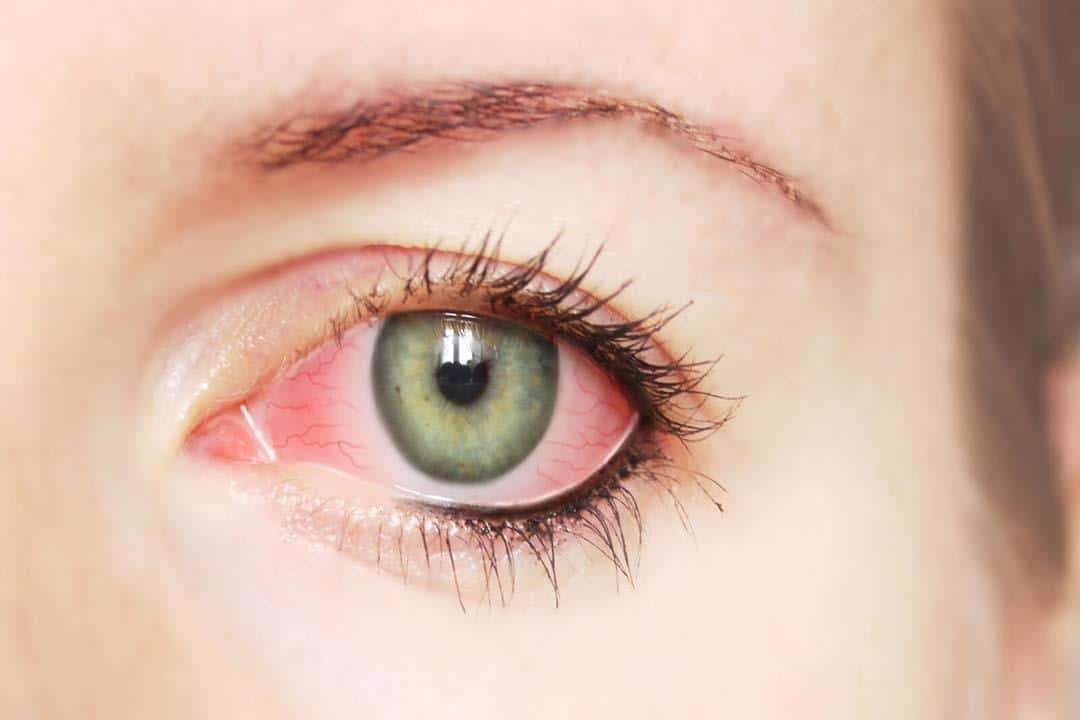
The conjunctiva, the thin membrane that covers the white part of the eye, contains many small blood vessels that can rupture, leading to what is known as a subconjunctival hemorrhage on the surface of the eye. In most cases, the causes are not serious, and doctors can easily diagnose the condition.
We recommend visiting the Eye Center at Batal Specialist Complex in Saudi Arabia for a comprehensive eye examination by some of the best ophthalmologists worldwide, who will perform proper diagnosis and all necessary tests.
Read also: Everything You Need to Know About Orbital Floor Fractures
What Is a Subconjunctival Hemorrhage?
A subconjunctival hemorrhage refers to broken blood vessels on the surface of the eye. The transparent membrane that lines the inside of the eyelid and covers the white of the eye is called the conjunctiva. It contains many very small, fragile blood vessels that can rupture easily. When one of these vessels breaks, blood can leak underneath the conjunctiva. As a result, part of the white of the eye turns bright red.
The red patch caused by a subconjunctival hemorrhage may look alarming, but in most cases it causes no symptoms and does not require treatment. It is more common in older adults, but it can occur at any age.
The Eye Center at Batal Specialist Complex in Saudi Arabia is a distinguished medical facility that helps patients with vision problems by providing comprehensive services designed for maximum comfort and care.
Read also: What Is Goiter? | Everything You Need to Know About Thyroid Enlargement
Symptoms, Causes, and What Triggers a Subconjunctival Hemorrhage
Most cases of subconjunctival hemorrhage have no identifiable cause. However, certain events and conditions can lead to the rupture of blood vessels in the eye, including:
Read also: Cosmetic Botox Around the Eyes | Duration, Details, and Procedure
What Are the Symptoms of a Subconjunctival Hemorrhage?
Apart from the red patch on the eye, there are usually no other symptoms associated with a subconjunctival hemorrhage. It does not cause pain or swelling and does not affect vision. Many people with this type of “red eye” are unaware of it until they look in the mirror or someone else points it out.
Read also: Hypothyroidism | Causes, Symptoms, Testing, and Treatment
How Is a Subconjunctival Hemorrhage Diagnosed?
A doctor can diagnose a subconjunctival hemorrhage simply by examining the eye. The condition does not have any additional characteristic features beyond the visible red area on the sclera.
Read also: Healthy Nutrition | What You Need to Know and Its Impact on Eye Health
How Is a Subconjunctival Hemorrhage Treated?
A subconjunctival hemorrhage usually does not require any treatment. Artificial tears (lubricating eye drops) may be used to relieve any mild irritation, if present. Most broken blood vessels heal on their own within about two weeks, although larger hemorrhages may take longer to clear. As the blood is reabsorbed, the color of the affected area may change, similar to the way a bruise fades over time.
Contact the Eye Center at Batal Specialist Complex in Saudi Arabia if eye redness is accompanied by pain, as this may be a sign of more serious conditions such as hyphema (a collection of blood in front of the colored part of the eye).
If broken blood vessels in the eye occur frequently, your doctor may recommend additional tests to look for an underlying cause. In some cases, bleeding disorders that affect blood clotting, such as hemophilia or von Willebrand disease, can increase the risk of subconjunctival hemorrhage.
Read also: Zinc Supplements in Detail | Eye Health Benefits of Zinc
Can a Subconjunctival Hemorrhage Be Prevented?

If you have risk factors for subconjunctival hemorrhage, certain steps can help reduce the likelihood of breaking blood vessels in the eye, including:
Read also: Blood Types | Everything You Want to Know