
Med info
Eye Antibiotics | Do They Really Work?


Eye antibiotics are one possible treatment for blepharitis. In some cases, they can help keep the eyelid area free of bacteria or treat an underlying condition.
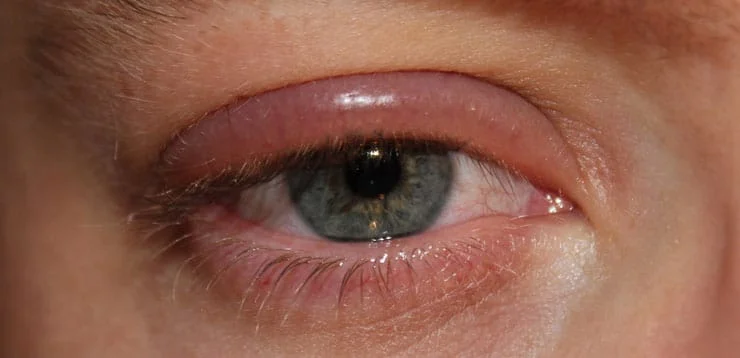
Blepharitis causes redness and inflammation of the eyelids. You may feel irritation around your eyes or feel like there’s something stuck in your eye. Many people also notice flakes or crusts at the base of the eyelashes that look similar to dandruff.
The mainstay of blepharitis treatment is keeping the eyelid area clean. However, antibiotics can sometimes clear an active infection or treat an underlying condition such as ocular rosacea, which may be the root cause of blepharitis. Both topical and oral antibiotics are sometimes used in managing blepharitis.
How Do Antibiotics Treat Blepharitis?
There are two main types of antibiotics: bactericidal agents, which kill bacteria outright, and bacteriostatic agents, which stop them from multiplying. Antibiotics commonly used for blepharitis include oral tetracyclines such as doxycycline, and macrolides such as erythromycin. These are generally considered bacteriostatic drugs.
Because blepharitis has several different causes, the choice of antibiotic depends on the treatment goal. Topical antibiotics are often used for anterior (front) or external blepharitis; they help reduce symptoms and decrease the bacterial load on the eyelid margins.
Oral antibiotics are more commonly used for posterior (back) blepharitis related to dysfunction of the meibomian (oil) glands in the eyelids, and they are also used when blepharitis is associated with ocular rosacea.
Read also: How Long Does Eyelid Surgery Take to Heal?
How Effective Are Antibiotics for Blepharitis?
Topical antibiotics are usually prescribed for up to about 8 weeks, or until symptoms have improved or resolved.
The Effectiveness of Oral Antibiotics for Blepharitis Is Uncertain
A 2021 review looked at two small studies: one on oral doxycycline in people with facial rosacea and blepharitis, and another on oral doxycycline in people with meibomian gland dysfunction and blepharitis.
The evidence was inconclusive on whether oral doxycycline actually improves the clinical signs and symptoms of blepharitis, and the medication may cause adverse effects. Some patients may also need long‑term antibiotic therapy to keep their symptoms under control.
Types of Eye Antibiotics for Blepharitis

Not all antibiotics used for blepharitis are interchangeable. Your doctor will choose the most appropriate antibiotic based on the nature of your symptoms and their suspected cause.
Oral Eye Antibiotics for Blepharitis
Two main classes of oral antibiotics are used in treating blepharitis: tetracyclines and macrolides.
Tetracyclines are broad‑spectrum antibiotics used to treat rosacea and a variety of other conditions. Possible side effects include gastrointestinal upset and photosensitivity, among others.
Macrolides are antibiotics approved for many bacterial infections, including skin infections. They are generally considered safe but can also cause gastrointestinal discomfort.
Ointments and Other Topical Antibiotics for Blepharitis
Topical antibiotics are applied directly to the eyelid and eye area. They are usually formulated as an ointment or eye drops and require a prescription.
Topical antibiotics are generally well tolerated, but each drug has its own potential side effects. If you develop itching, burning, redness, eye pain, or swelling, contact your doctor.
Read also: Phosphenes (Seeing “Stars”) | Causes, Symptoms, and Treatment 2023
Where Can You Get Antibiotics for Blepharitis?
Antibiotics are usually dispensed through pharmacies. Your doctor can give you a written prescription or send it electronically to the pharmacy. Some non‑prescription antibiotic products may be kept behind the pharmacy counter.
Can You Get Antibiotics for Blepharitis Over the Counter?
Most antibiotics require a prescription. Your doctor can determine whether you need an oral or topical antibiotic and recommend the most appropriate option for your blepharitis.
Some topical antibiotic preparations are available over the counter, but it is crucial to make sure the formulation is safe and appropriate for use around the eyes and for blepharitis specifically.
For example, although topical bacitracin for the skin is available without a prescription in most pharmacies, it is unsafe to use this formulation in your eyes. Ophthalmic bacitracin, which may be appropriate for blepharitis, is a specific eye preparation and requires a prescription.
Erythromycin eye ointment also requires a prescription, and oral antibiotics such as tetracyclines are prescription‑only as well. Even if you obtain an antibiotic product without a prescription, it is strongly recommended that you consult a doctor or pharmacist before using it. They can advise you on safe and correct use.
Read also: Stye in the Eye | Causes, Symptoms, and Treatment
Other Types of Treatment for Blepharitis
You can often improve blepharitis symptoms with home care measures. There are also medical treatments in addition to antibiotics that may help resolve the condition or keep it under control.
Home Treatment

Good eyelid hygiene at home can go a long way toward reducing how often blepharitis flares up. If you have a more severe case, home care measures can support prescription treatments such as antibiotics.