
Med info
Selective Laser Trabeculoplasty (SLT) | An Effective Treatment for Glaucoma

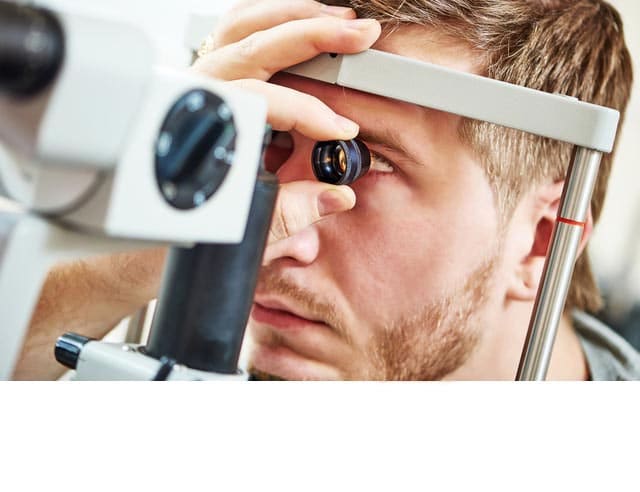
Selective Laser Trabeculoplasty (SLT) is a type of laser surgery used to lower intraocular pressure (IOP) in people with glaucoma. It is typically recommended when glaucoma eye drops do not reduce eye pressure sufficiently or cause significant side effects. SLT can also be used as a first-line treatment for glaucoma.
SLT has been used for more than 25 years, but recent advances in laser technology have led to its wider adoption. In many cases, it helps patients avoid more invasive glaucoma surgery or the need for additional glaucoma medications.
What Is Selective Laser Trabeculoplasty?
Selective Laser Trabeculoplasty is a straightforward laser procedure performed in an outpatient clinic setting. The laser targets the trabecular meshwork to improve the drainage of the aqueous humor (the clear fluid circulating inside the eye, not the tears). As a result, intraocular pressure decreases in people with glaucoma or ocular hypertension.
This procedure has been available for over 20 years and is widely performed in the United Kingdom and across the world.
When Is SLT Suitable or Not Suitable for Patients?
SLT is suitable for most patients with primary open-angle glaucoma—the most common type of glaucoma—or ocular hypertension. It is generally more effective when used in the earlier stages of disease, which is often around the time of initial diagnosis.
If you have primary or secondary open-angle glaucoma and need to lower elevated eye pressure, SLT may be an appropriate option. It is commonly offered when glaucoma eye drops are not sufficiently effective or cause unwanted side effects.
SLT can also be used in patients with advanced glaucoma who have been using eye drops for many years but are reluctant to undergo incisional glaucoma surgery. However, patients with certain types of secondary glaucoma or those with very high intraocular pressure are usually not good candidates for SLT.
What Are the Risks of Selective Laser Trabeculoplasty?
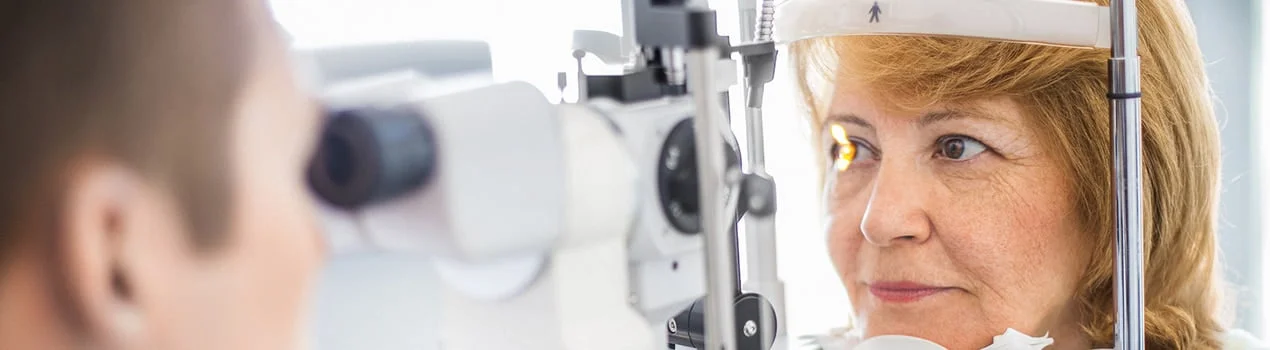
The risk of complications from SLT is very low. Some patients experience mild eye redness and light sensitivity after the procedure, usually due to temporary inflammation.
This inflammation is typically controlled with a short course of steroid eye drops, often used for about three days after treatment. More serious complications involving the cornea are extremely rare, occurring in fewer than 1 in 1,000 cases. If this happens, vision may be blurry for about two to three weeks after the procedure.
In addition, a small number of patients may experience a temporary spike in eye pressure after SLT. This is also very uncommon, particularly now that patients with certain forms of secondary glaucoma or very high baseline IOP are usually excluded from treatment.
Benefits of Selective Laser Trabeculoplasty
The main benefit of SLT is that it can control intraocular pressure without the need for daily glaucoma eye drops in many patients. The success rate of SLT is around 75%, meaning that about three out of four patients who undergo SLT will not need glaucoma drops for many years afterward.
Daily use of glaucoma drops can be inconvenient and may cause problems such as eye irritation and systemic side effects. By reducing or eliminating the need for drops, SLT can significantly improve comfort and quality of life.
What Can Patients Expect on the Day of Treatment?
The SLT procedure itself usually takes less than 10 minutes and does not require hospital admission, as it is performed in the clinic. You will typically be asked to arrive about 20–30 minutes before the procedure so that numbing and pressure-lowering drops can be placed in the eye.
After the laser treatment, you will wait a short period so that your eye pressure can be checked before you are discharged. The entire visit usually takes about an hour.
There are no specific restrictions on normal daily activities—such as exercise or work—before or after the procedure, unless your doctor advises otherwise.

Pros and Cons of Selective Laser Trabeculoplasty
Complications after SLT are uncommon, but side effects can occur. Some patients develop very mild inflammation following the procedure.
To minimize this inflammation, doctors often prescribe ibuprofen or another nonsteroidal anti‑inflammatory drug (NSAID), and sometimes anti‑inflammatory eye drops. A short‑lived increase in eye pressure may also occur, but it typically resolves quickly.
Your doctor may prescribe additional topical medication to control any temporary rise in eye pressure. This side effect generally resolves within about 24 hours after SLT.
Some people who are already using glaucoma medications may still need to continue them after SLT, while others may be able to control their eye pressure with SLT alone. Regular follow‑up appointments with your eye specialist will determine whether medication remains necessary.
By improving the outflow of aqueous fluid from the eye, SLT leads to a reduction in intraocular pressure. It may take about one to three months for the full effect of the treatment to become evident.
Will the Procedure Be Uncomfortable?
SLT is a very simple procedure and only requires topical anesthetic eye drops. A special contact lens is placed on the eye to keep it open and to focus the laser on the trabecular meshwork.
You may feel some mild discomfort or a slight tapping sensation, but the procedure is generally not painful.
How Many Appointments Do I Need Before and After SLT?
You will need a consultation with a glaucoma specialist before the procedure to confirm that your type and stage of glaucoma are appropriate for SLT.
After the laser treatment, you will usually be reviewed again in about 6–8 weeks to determine whether the procedure has successfully lowered your eye pressure. Once the effectiveness of SLT is confirmed, you will typically need follow‑up examinations every six months, or as advised by your doctor.
What Happens If SLT Does Not Provide the Desired Results?
SLT is performed as an outpatient procedure. The laser is applied to the eye’s drainage system (trabecular meshwork) through a special contact lens. The laser energy triggers a biochemical response that improves fluid outflow and lowers intraocular pressure.
If the eye does not respond adequately to SLT, your doctor may consider repeating the procedure or starting (or resuming) glaucoma eye drops to control the pressure. You should always discuss your options and any concerns directly with your ophthalmologist before proceeding with further treatment.

Regardless of your vision symptoms, refractive errors, or eye problems, glaucoma and other eye diseases require careful assessment and appropriate management by an experienced eye specialist using effective, up‑to‑date medical tools. Whatever eye condition you may have, you can book an appointment at Batal Specialist Complex for a comprehensive eye examination and to begin addressing your vision issues, no matter how complex they may be.