
Med info
Lens Replacement Surgery | When Is This Procedure Necessary?

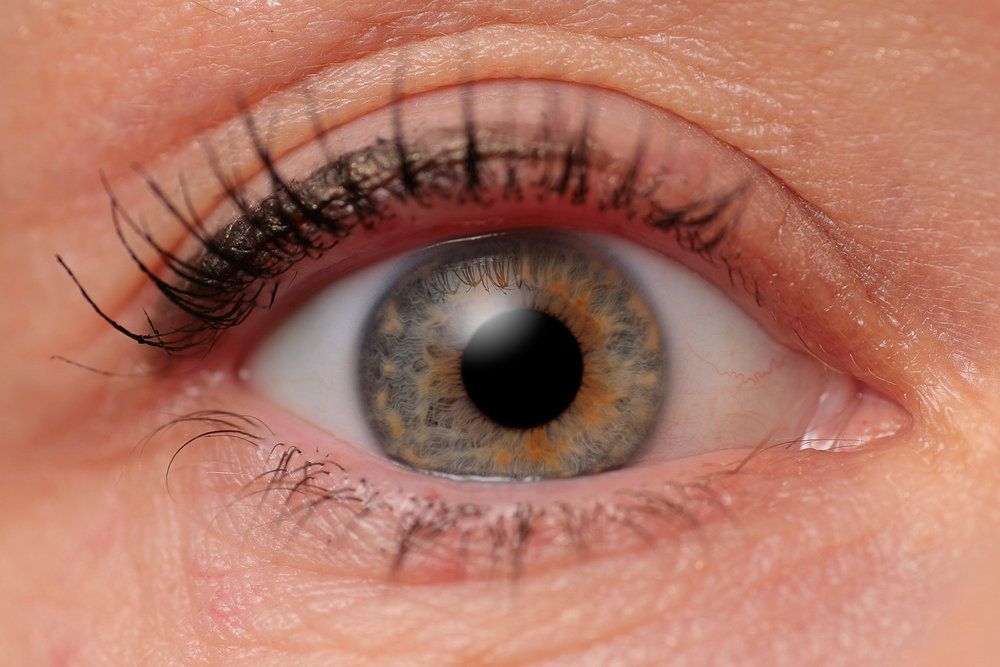
Lens replacement surgery is most commonly used to treat cataracts. Nearly 4 million people in the United States undergo this procedure every year. It’s also sometimes called cataract surgery, refractive lens exchange (RLE), or clear lens extraction, and it can be used to treat other lens-related problems as well.
Why Is Lens Replacement Surgery Performed?
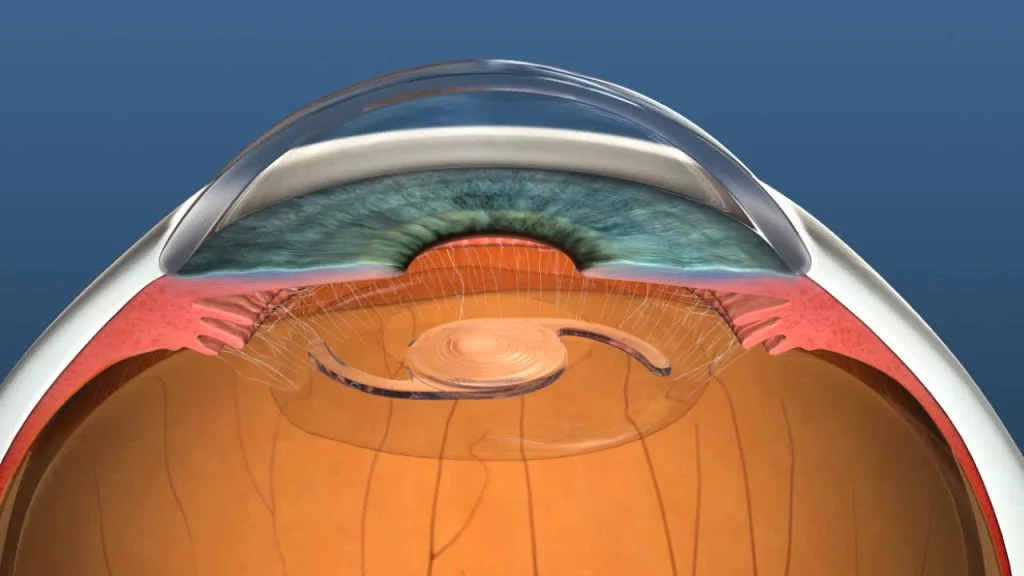
Cataracts can develop as you age, when the lens fibers become stiffer and your vision starts to look cloudy or hazy. Cataracts can also be congenital (present at birth) and may run in families. Congenital cataracts are a major cause of childhood blindness, and surgery is usually done within the first six weeks of life.
Whether lens replacement surgery is the right treatment option is a decision you and your eye surgeon should make together. In many cases, surgery is recommended when vision problems start to interfere with daily activities and safety, such as driving or reading.
See also: Selective Laser Trabeculoplasty (SLT) | An Effective Treatment for Glaucoma
How Does Lens Replacement Surgery Work?
Lens replacement surgery can be performed in two main ways: traditional surgery or laser-assisted surgery. With both approaches, the surgeon creates a small incision in the cornea and outer layers of the eye above the lens, either with a handheld blade or with a precisely guided laser.
Next, the surgeon inserts a tiny probe through the opening—whether in traditional or laser-assisted surgery—to break up and soften the natural lens. Once the natural lens has been broken apart, it is gently suctioned out and replaced with an artificial intraocular lens (IOL).
Regardless of the technique used, stitches are usually not needed to close the incision in your eye; it typically seals and heals on its own. The entire procedure usually takes about 20 to 30 minutes.
Are There Risks to Lens Replacement Surgery?
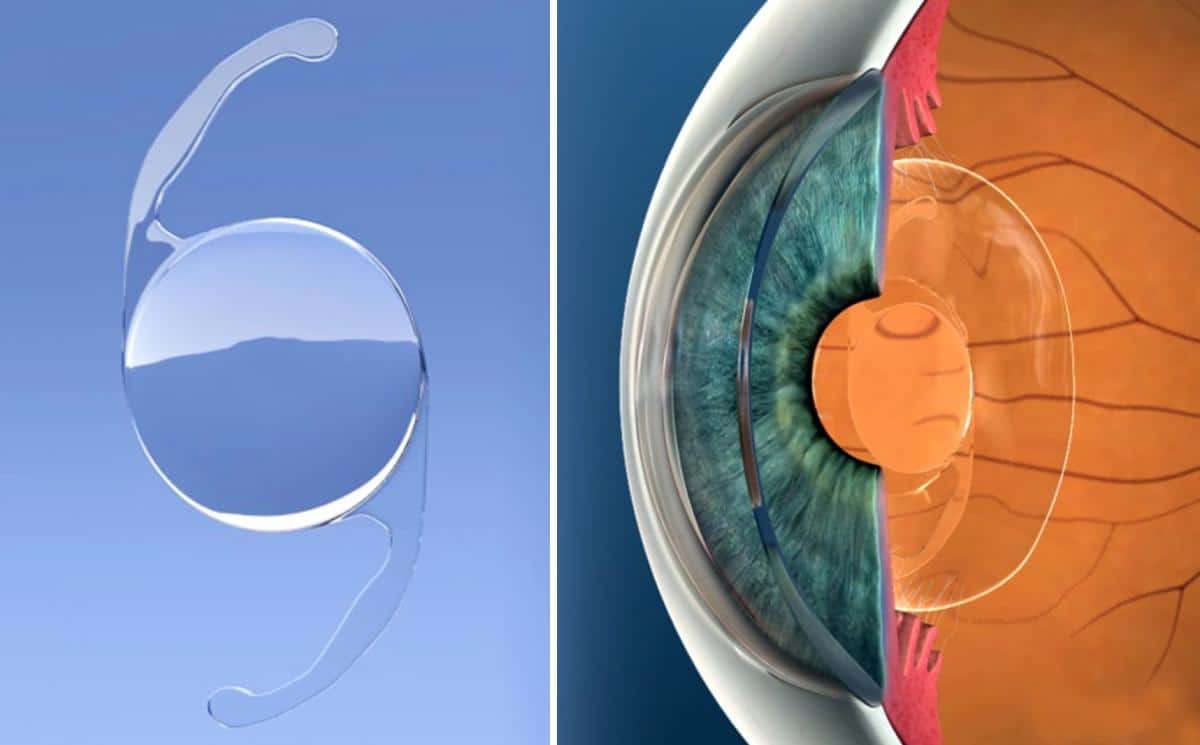
As with any surgical procedure, lens replacement surgery carries some risks. The most serious concern is retinal detachment, because of the potential permanent damage it can cause to your vision. Retinal detachment has been reported in about 1.5% to 8% of lens replacement cases and is more common in people undergoing surgery to correct high myopia (severe nearsightedness).
Other possible complications that have been reported after lens replacement surgery include:
[Content listing the specific complications would typically appear here.]
Whether you have traditional surgery or laser-assisted surgery, the overall risks and recovery time are very similar. Full recovery usually takes about one month.
See also: Implantable Collamer Lens (ICL) Surgery | Procedure, Aftercare, Risks, and Cost
How Much Does Lens Replacement Surgery Cost?
The cost of lens replacement surgery depends on your health insurance plan and the reason you are having the procedure. Many plans will cover surgery that’s medically necessary to treat conditions that could lead to vision loss, but may not cover surgery performed mainly to improve vision and reduce the need for glasses or contact lenses.
Cataract surgery is usually considered medically necessary, so it’s typically covered by Medicare and most private insurance plans. Coverage may vary when lens replacement is performed for other conditions.
If your plan does not cover lens replacement surgery, you can expect the cost to be around $7,000 per eye. Prices can vary depending on the clinic, surgeon, region, and type of lens used.
See also: Right Orbital Fracture | Causes, Symptoms, and Treatment of Orbital Blowout Fractures
What to Expect After Surgery
After lens replacement surgery, it may take some time before you notice the full benefits. Some people see clearly almost immediately, but for others it can take a week or two for vision to stabilize and become sharper.
You may be asked to wear an eye shield or patch over the operated eye for at least the first day after surgery. This can help your eye rest and reduce light sensitivity, but its main purpose is to protect your eye from accidental bumps or injury while it heals. Mild itching and irritation are common in the first few days after surgery, and the shield or protective cover can help keep you from rubbing or pressing on your eye.
You will likely need to use prescription eye drops for 3 to 4 weeks after the procedure to support healing and prevent infection or inflammation. Your surgeon will tell you when it’s safe to resume normal activities, such as driving—but you will need someone to drive you home on the day of surgery.
Although you can return to most everyday activities within a few days, it may be several weeks before you are cleared to drive. Follow-up appointments are usually scheduled on the day of surgery or shortly afterward, and your surgeon may adjust your eye drop regimen based on how your eye is healing.

In summary, lens replacement surgery is a relatively effective, minimally invasive procedure that can significantly improve vision in people with certain eye conditions. Cataracts are the most common reason for performing this surgery, but there are other indications as well.
Recovery takes time, and there are risks involved regardless of the surgical technique or the reason for having the procedure. Discuss your specific eye health and vision issues with your surgeon to determine whether lens replacement surgery is an appropriate option for you.