
Med info
Cornea of the Eye and Its Problems | What Are the Most Common Corneal Disorders?

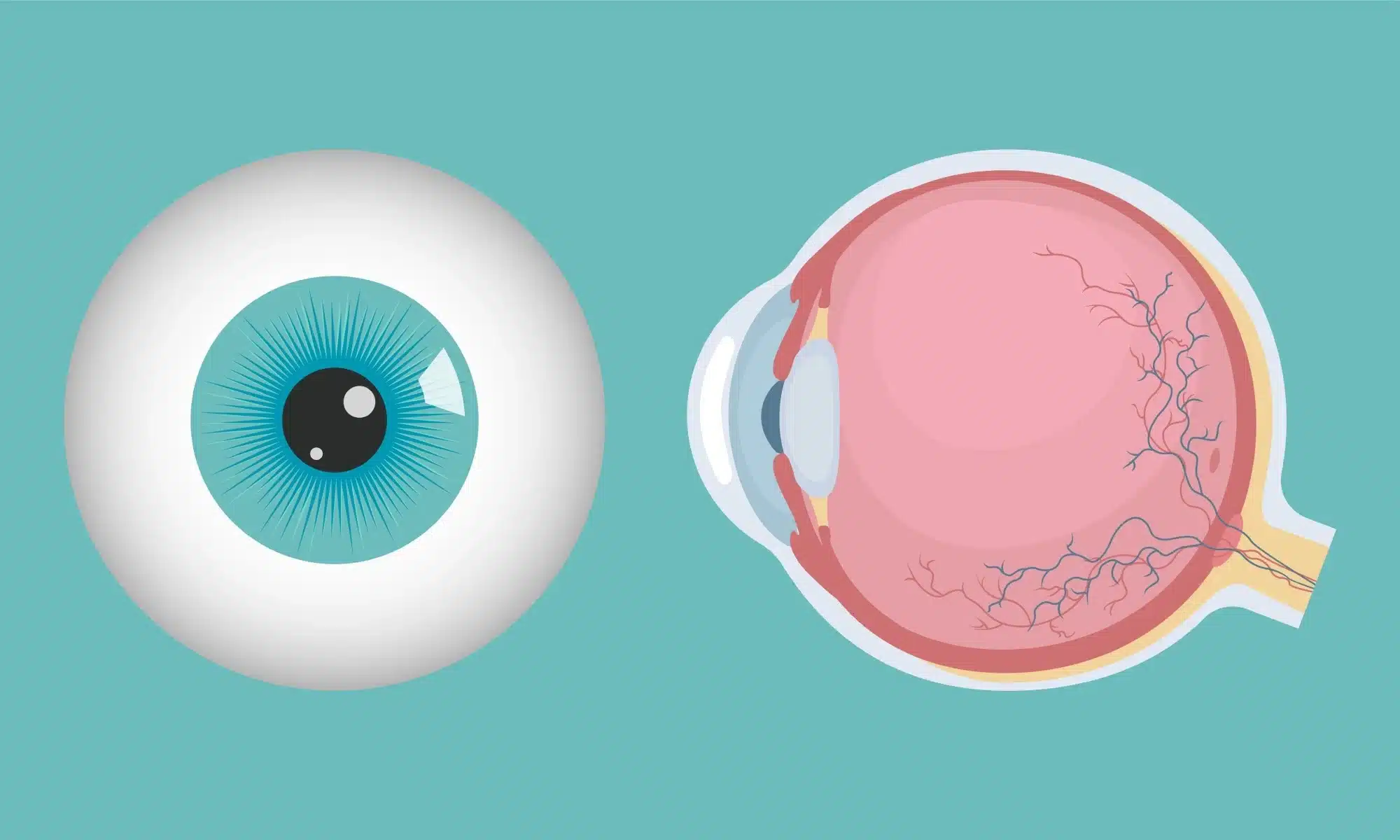
Before discussing the cornea of the eye and its problems, it’s important to know that the cornea is the clear window at the front of your eye. It plays a critical role in vision. You can protect your cornea and maintain good eyesight by using eye protection during sports and work, and by having regular eye examinations. Common corneal problems include corneal abrasions, keratoconus, and corneal dystrophies, including Fuchs’ dystrophy.
In other words, the cornea is the convex, avascular, transparent front part of the eyeball. It serves a dual function: protecting the eye and refracting light. It is the main refractive surface for light entering the eye and provides a clear medium through which light can pass.
At its periphery, it is bordered by the limbus, where the sclera begins, and it is closely associated with the conjunctiva through its continuous epithelium (although the nature of the tissues differs slightly). Because of this continuity between the cornea and conjunctiva, infections, inflammatory conditions, and trauma can spread from one to the other.
Also read: Corneal Surgery and Vision Correction
Structure and Anatomy of the Cornea
The cornea is a multilayered structure composed of the following (from outermost to innermost):
Also read: Acanthamoeba Keratitis | Causes, Diagnosis, Treatment, and Complete Information 2023
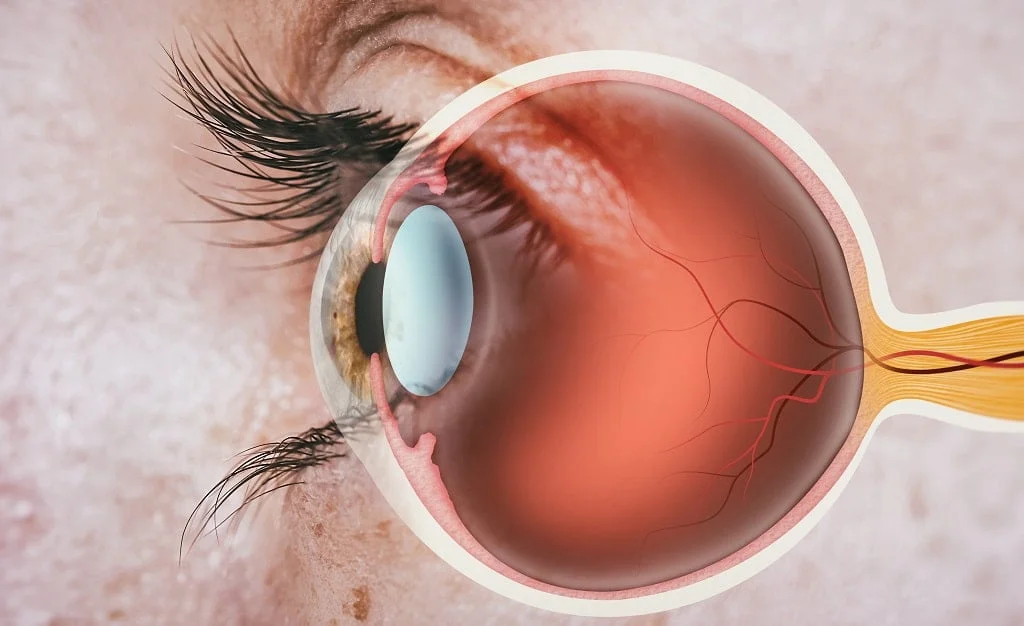
Corneal structure
Symptoms of Corneal Problems
Some of the most important and common symptoms of corneal problems include:
Also read: What Is Conductive Keratoplasty?
Corneal problems
List of Corneal Disorders and Problems
Below is a group of diseases and conditions that fall under corneal disorders and problems:
Corneal Injury
The cornea is generally able to cope well with minor injuries or abrasions. If it is scratched, healthy cells quickly slide over to cover the defect and repair the injury before infection develops or vision is affected.
If the scratch penetrates more deeply into the cornea, healing will take longer and may be associated with increased pain, blurred vision, tearing, redness, and marked light sensitivity (photophobia). Deep corneal abrasions can also lead to corneal scarring, producing a haze on the cornea that can significantly impair vision.
Allergy‑Related Corneal Problems
Eye allergies can affect the cornea and contribute to corneal problems. Pollen is one of the most common allergens. Other triggers include medications, animal dander, and cosmetic products such as mascara and facial creams. Touching or rubbing the eyes after handling chemicals or soaps can also provoke an allergic reaction.
Management focuses on eliminating or minimizing exposure to the allergen whenever possible, in addition to appropriate medical therapy when needed.
Corneal Infections – Among the Most Common Corneal Diseases
Infection of the cornea is known as keratitis. Trauma and foreign bodies can facilitate the entry of infectious agents into the cornea. Contaminated contact lenses are another potential source. Corneal infections are among the most serious complications of contact lens wear.
These infections can reduce visual clarity, cause discharge from the eye, and in some cases lead to corneal ulceration or permanent corneal scarring. As a general rule, the deeper the corneal infection, the more severe the symptoms and the higher the risk of complications.
Band Keratopathy
This is one of the well‑known corneal disorders. Band keratopathy involves deposition of calcium salts within the cornea, appearing as a horizontal, grayish band across the central cornea.
It is commonly seen in chronic uveitis, but also occurs in other conditions such as long‑standing glaucoma, chronic corneal edema, and various corneal dystrophies. It may also develop in the setting of systemic diseases such as hypercalcemia, hyperuricemia, and chronic kidney disease.
Chelation is the treatment of choice: disodium EDTA (edetate) is applied to dissolve and remove the calcium deposits. Ultimately, the underlying condition must be addressed to prevent recurrence.
Spheroidal Degeneration of the Cornea
This is typically a bilateral condition of unknown cause, occurring more often in men who work outdoors. Small, golden‑brown deposits accumulate in the cornea and are associated with generalized corneal haze.
Ultraviolet (UV) protection can help slow progression, but some patients may require surgical removal of the lesions to improve vision and comfort.
Also read: Everything You Need to Know About Advanced Surface Ablation
Whatever the underlying corneal defect or problem, this delicate ocular condition requires thorough examination and appropriate treatment by a skilled ophthalmologist using effective medical and surgical tools to achieve the best possible outcome.

Whatever eye disease you are dealing with, you can book an appointment at Bataal Specialized Medical Complex for a comprehensive eye evaluation and to start addressing your vision problems properly.