
Med info
Corneal Transplant Surgery: Everything You Need to Know

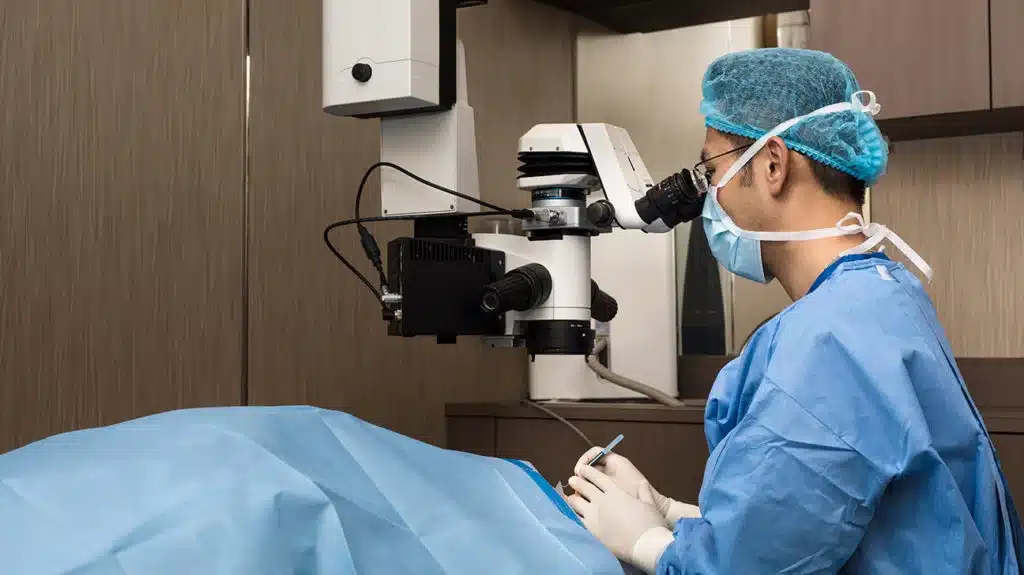
The cornea is the eye’s clear front “window.” It helps focus light into the eye so you can see. The cornea is made up of several cell layers that work together to protect your eye and provide clear vision. In this article from Batal Eye Specialty Center, we explain corneal transplant surgery and what you should know about it.
Read also: Intraocular Lens Implant Surgery: What You Need to Know
Important Facts About the Cornea
For good vision, your cornea needs to be clear, smooth, and healthy. If it becomes scarred, swollen, or damaged, light will not focus properly inside the eye. As a result, your vision may become blurry, or you may notice glare and halos.
If the cornea cannot heal or be repaired, your ophthalmologist may recommend a corneal transplant. In this procedure, the diseased cornea is replaced with a clear, healthy cornea from a human donor.
A human donor is someone who has chosen to donate their corneas after death to people who need them. All donated corneas are carefully tested to ensure they are healthy and safe for transplantation.
There are different types of corneal transplant procedures. In some cases, only the front and middle layers of the cornea are replaced. In other cases, only the inner layer is removed. Sometimes, the entire thickness of the cornea needs to be replaced.
Read also: Does Poor Vision Cause Dizziness? Causes of Double Vision and How to Treat It
What Causes Corneal Problems?
Eye diseases and injuries can damage the cornea. The following are some common eye conditions that may lead to corneal damage:
Read also: Types of Vision Correction Surgery | The Latest Options
Surgical Options for Corneal Transplant
Below are the main types of corneal transplant procedures:
Full-Thickness Corneal Transplant
You may need to have the entire thickness of the cornea replaced if both the front and inner layers are damaged. This is called a penetrating keratoplasty (PK) or full‑thickness corneal transplant. In this procedure, the diseased or damaged cornea is removed, and a clear donor cornea is stitched into place.
PK has a longer recovery period than other types of corneal transplant. It can take a year or longer to regain full vision after PK. With PK, there is also a slightly higher risk of corneal rejection compared with other types of corneal transplants. Rejection happens when the body’s immune system attacks the new corneal tissue.
Read also: Keratoconus Treatment 2023 | Corneal Treatment at Batal Eye Clinic
Partial-Thickness Corneal Transplant
Sometimes, only the front and middle layers of the cornea are damaged. In such cases, only these layers are removed, while the endothelium (the thin innermost layer at the back of the cornea) is left in place. This surgery is called deep anterior lamellar keratoplasty (DALK), a type of partial‑thickness corneal transplant.
DALK is commonly used to treat keratoconus and corneal ectasia (corneal bulging). Recovery after DALK is usually faster than after a full‑thickness transplant, and the risk of rejecting the new cornea is lower.
Read also: Requirements for Vision Correction Surgery | Are You a Good Candidate?
Endothelial Keratoplasty
In some eye conditions, the deepest layer of the cornea, called the endothelium, is damaged. This causes the cornea to swell and become cloudy, which affects your vision. Endothelial keratoplasty is a surgery that replaces this inner layer with healthy donor tissue. It is considered a type of partial‑thickness transplant because only the innermost layer is replaced.
There are several forms of endothelial keratoplasty, commonly known as:
Each type removes damaged cells from the inner corneal layer called Descemet’s membrane. The diseased inner layer is removed through a small incision, and the healthy donor layer is placed inside the eye. Only a few stitches—if any—are usually needed to close the incision. Most of the cornea remains untouched, which helps reduce the risk of rejection of the new corneal cells after surgery.
Some important points to know:
Read also: Symptoms of Keratitis | Causes, Diagnosis, and Treatment
After Corneal Transplant Surgery
The day after your corneal transplant (corneal graft) surgery, you will need to return to your ophthalmologist’s office so your eye can be examined. Your sutures (stitches) may or may not need to be removed at that visit. This depends on how quickly your eye is healing, the health of your eye, and the type of sutures used. As you recover from surgery, you will need to follow these instructions to care for your eye:
Read also: MicroPulse Laser Device for Treating Eye Deviation and Strabismus

Whatever eye condition you have, this delicate and highly specialized area requires a thorough examination and the right treatment plan from a skilled ophthalmologist, using effective medical technology that delivers real results. Whatever eye disease or problem you are dealing with, you can book an appointment at Batal Eye Specialty Center for a comprehensive evaluation and to begin addressing your eye issues, no matter how complex they may be.