Med info
Corneal Keratitis: Risks, Symptoms, and Treatment

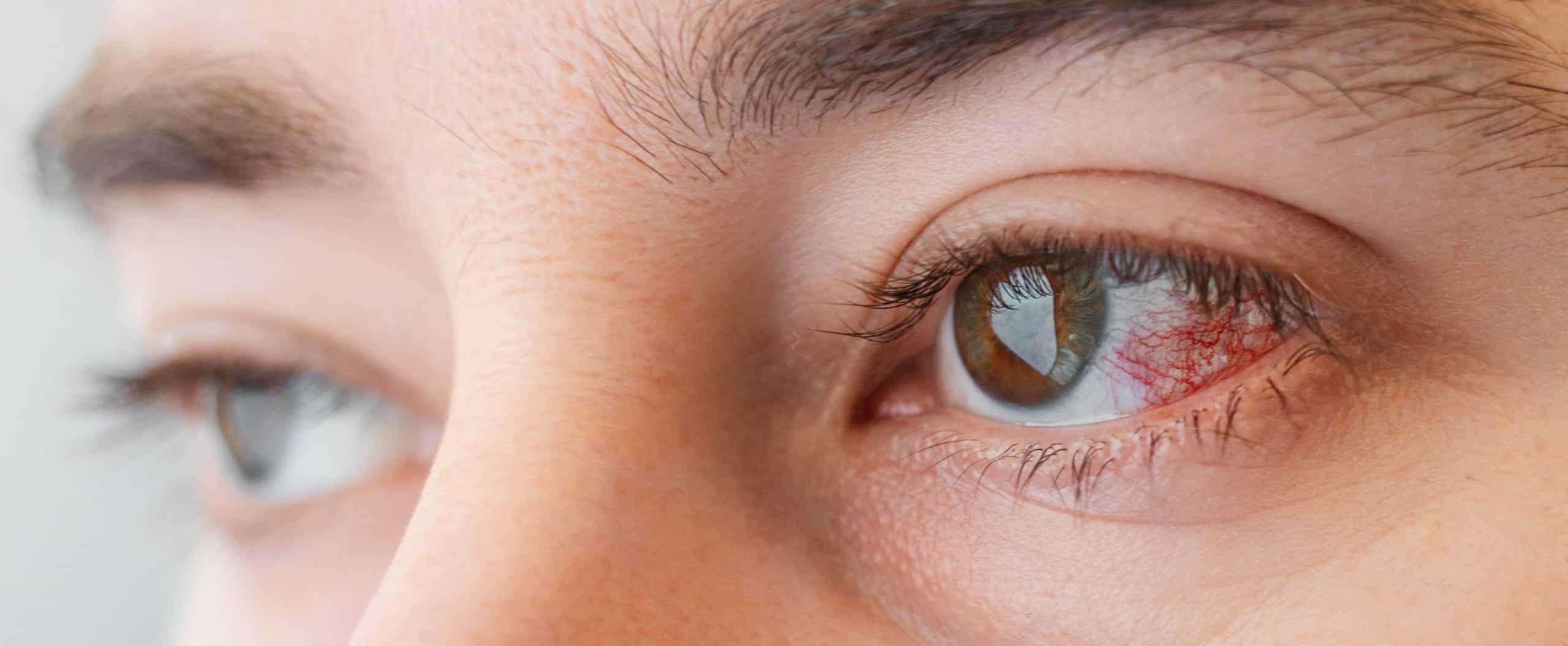
Corneal keratitis is a condition in which the cornea becomes inflamed or swollen. This can affect vision, cause pain, make it difficult to open the eye, and lead to other problems. If left untreated, keratitis can gradually worsen and may eventually lead to blindness.
If you suspect you have keratitis, you should seek medical help as soon as possible. Keratitis can develop from several different causes. For example, bacteria that cause gonorrhea can lead to one form of keratitis, as can herpes simplex virus and herpes zoster (shingles).
Some of the most common ways people develop corneal keratitis include improper contact lens care and swimming in contaminated water. Among all types of keratitis, acanthamoeba keratitis (caused by the Acanthamoeba parasite) is considered one of the most severe forms of the disease.
Read also: Corneal Transplant Surgery – Everything You Need to Know About This Procedure
What Is Corneal Keratitis?
With keratitis, the cornea becomes inflamed or swollen, which affects vision and causes discomfort and pain. Corneal keratitis is characterized by:
– Corneal inflammation and/or edema (swelling)
– Visual disturbance that may range from mild blurring to severe vision loss
– Pain, irritation, and sensitivity to light
– Difficulty opening the eye due to pain and tearing
Keratitis can progressively worsen over time and may eventually cause blindness. For this reason—as with most eye diseases—you should see an eye doctor immediately if you suspect a problem. The sooner you receive appropriate treatment, the lower your risk of serious, long‑term complications.
Related articles you may find helpful:
– Seborrheic Blepharitis – What You Need to Know
– Eyelid Dermatitis – Causes, Symptoms, and Treatment
– How to Treat Blepharitis Quickly
– Dacryocystitis – Causes, Symptoms, and Treatment
– Optic Neuritis – Symptoms, Causes, and Diagnosis
– Acanthamoeba Keratitis – Causes and Diagnosis
– What Is Bacterial Conjunctivitis and How Is It Treated?
– Eyelid Dermatitis – An Overview
– Conjunctivitis (Pink Eye)
– Keratitis – Symptoms, Causes, and Diagnosis
– Retinitis Pigmentosa – Symptoms and Causes
– Retinitis Pigmentosa
– Corneal Keratitis – Risks, Symptoms, and Treatment
– Conjunctivitis – Types, Causes, and Treatment
– Symptoms of Keratitis and Information About Treatment
– My Experience With Uveitis
– Eye Inflammation in Children
– Intraocular Lens (IOL) Implantation – What You Need to Know
Causes of Corneal Keratitis
You can develop corneal keratitis in several ways, including:
– Bacterial infections (such as those associated with contact lens misuse or sexually transmitted infections like gonorrhea)
– Viral infections (especially herpes simplex virus and herpes zoster)
– Fungal infections (often following eye injury with plant material or in people with weak immune systems)
– Parasitic infections, particularly Acanthamoeba, often linked to exposure to contaminated water while wearing contact lenses
– Noninfectious causes, such as eye injury, dry eye disease, exposure to ultraviolet light, or allergic and autoimmune conditions
Read also: Does Poor Vision Cause Dizziness? | Causes of Double Vision and How to Treat It
Proper Contact Lens Care
Many people do not care for their contact lenses correctly and expose themselves to a range of eye health risks. Keratitis is just one of several potential complications associated with improper lens use and storage. The American Academy of Ophthalmology recommends a proper routine for cleaning, using, and storing contact lenses, including:
– Washing and thoroughly drying your hands before handling lenses
– Rubbing and rinsing lenses with the recommended disinfecting solution (never with tap water or saliva)
– Using only fresh solution each time you store lenses—never “topping off” old solution
– Cleaning and air‑drying the lens case regularly and replacing it every few months
– Avoiding sleeping in contact lenses unless specifically approved by your eye doctor
– Avoiding swimming, hot tubs, and showers while wearing contact lenses
Read also: Does Poor Vision Cause Dizziness? | Causes of Double Vision and How to Treat It
Treatment of Corneal Keratitis
The appropriate treatment for corneal keratitis depends on the underlying cause:
– Bacterial keratitis: Treated with antibiotic eye drops, and in severe cases, fortified (high‑concentration) antibiotic drops or systemic antibiotics
– Viral keratitis: Managed with antiviral eye drops or oral antiviral medications, and sometimes with carefully monitored corticosteroid drops
– Fungal keratitis: Treated with antifungal eye drops and, in some cases, oral antifungal medication
– Acanthamoeba keratitis: Requires specific anti‑amoebic medications, often over a prolonged period, and is typically managed by a cornea specialist
– Noninfectious keratitis: Treatment may include lubricating eye drops, anti‑inflammatory medications, managing underlying systemic disease, or protecting the eye from further irritation

Regardless of the specific eye condition, this delicate and complex organ always requires thorough evaluation and appropriately tailored treatment by a skilled ophthalmologist using effective medical tools and techniques that can ensure the best possible outcome.
Whatever eye disease or problem you are dealing with, you can book an appointment at Batal Specialist Center for a comprehensive eye examination and to begin addressing your eye problems, no matter how complex they may be.

'/%3E%3C/svg%3E)