
Med info
Top 10 Symptoms of Vision Impairment and Treatment 2026

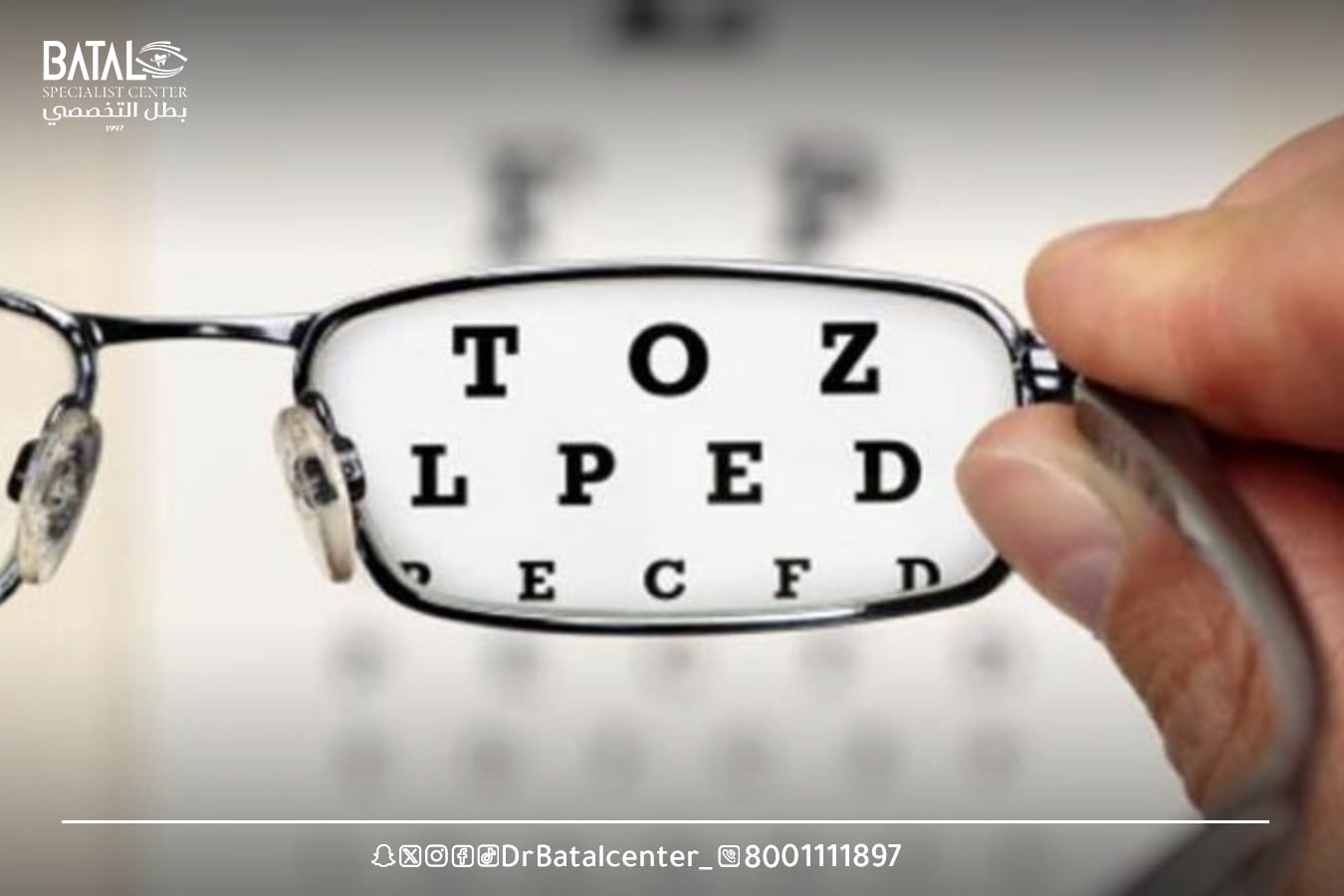
Vision impairment symptoms, and everything you’d like to know about low vision, vary depending on the underlying condition or disorder and may include:
Eye-Related Symptoms of Vision Impairment
A condition in which one or both eyes move in an uncoordinated way, causing double vision or blurred vision.
Pupil dilation or poor pupillary response
This may indicate a problem in the nervous system or in the eye itself. The pupil may appear larger than normal or may not respond properly to changes in light.
Eye discharge
This may result from an eye infection or inflammation, leading to abnormal secretions such as pus or mucus.
Droopy eyelid (ptosis)
A condition in which the upper eyelid droops abnormally, which can interfere with vision and may be a sign of nerve or muscle problems.
Eye pain
This can be due to infections, inflammation, or injuries in the eye, and the person may feel aching or pain, especially with eye movement or focusing.
Increased light sensitivity (photophobia)
The eyes become more sensitive to bright light, leading to discomfort or pain when exposed to strong lights.
Itchy eyes
Often caused by irritation or inflammation, leading to a frequent urge to rub or scratch the eyes.
Red, painful eyes
May result from inflammation or infection, causing the eyes to become red, irritated, and tender to the touch.
White reflex in the pupil (leukocoria)
A rare condition in which an abnormal white color appears in the pupil. It can be a sign of a serious disease, such as an intraocular tumor.
Other symptoms that may accompany vision impairment:
Serious symptoms of vision impairment:
Decreased vision, or poor eyesight, is a reduction in the ability to see clearly and includes a wide range of symptoms such as blurred vision, hazy vision, double vision, blind spots, poor night vision, and loss of peripheral (side) vision. Vision loss may affect one or both eyes and can develop gradually or suddenly due to eye problems or other medical conditions.
How Vision Works
The path of light begins at the cornea at the front of the eye. The iris controls the size of the pupil, allowing light to enter the eye and pass through the lens to reach the retina, the light-sensitive layer at the back of the eye. Any damage to these structures can reduce visual quality and lead to symptoms of vision impairment.
Common Causes of Vision Impairment
Common causes of vision impairment include:
Eye-Related Causes of Vision Impairment
Eye-related causes of vision impairment include:
Other Causes of Vision Impairment
Other causes include:
Possible Complications of Vision Impairment
If left untreated, vision impairment can lead to complications such as:
Treatment of Vision Impairment
Some visual disorders, such as diabetic retinopathy, can be treated to restore or preserve sight. Common aids and treatments include:
Advanced techniques such as laser therapy, LASIK, and femtosecond laser surgery can provide definitive correction by permanently addressing refractive errors and other vision problems. Batal Specialized Center in Jeddah, Saudi Arabia, offers advanced services in this field.
Medical Tests for Low Vision
Examinations used to diagnose low vision include:
How Vision Impairment Is Diagnosed
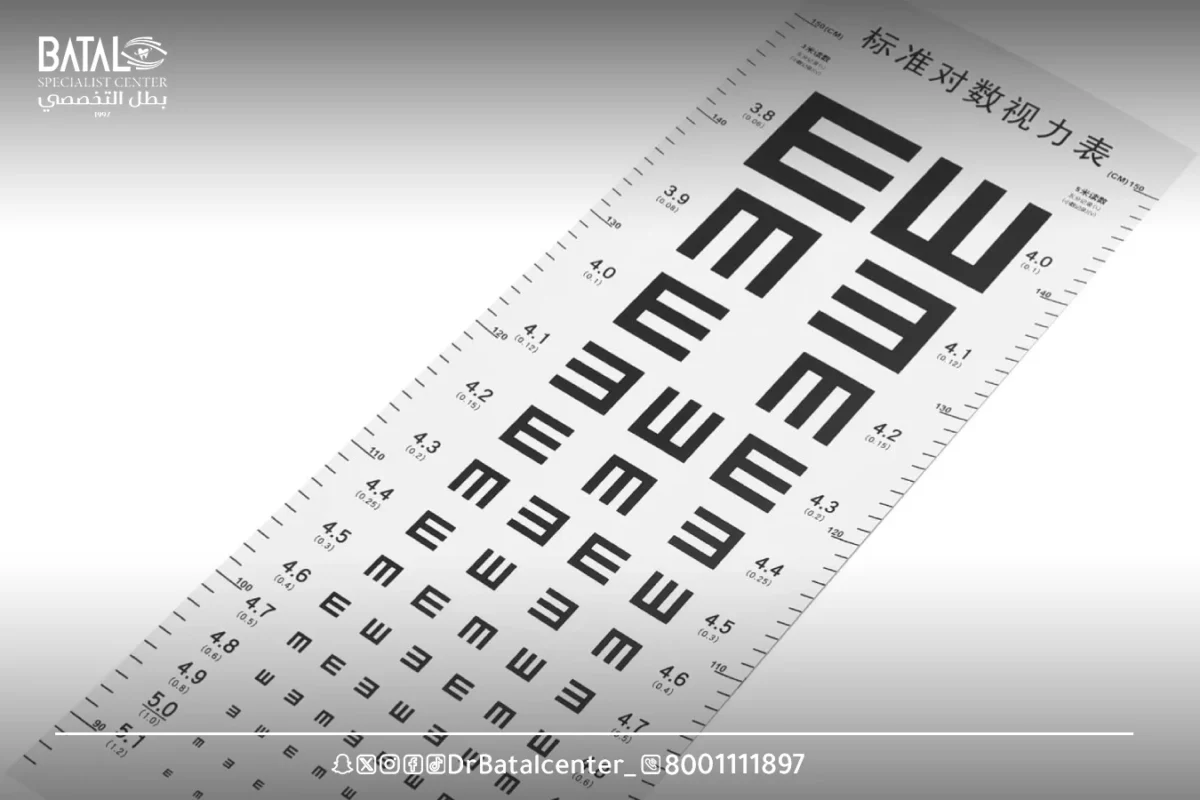
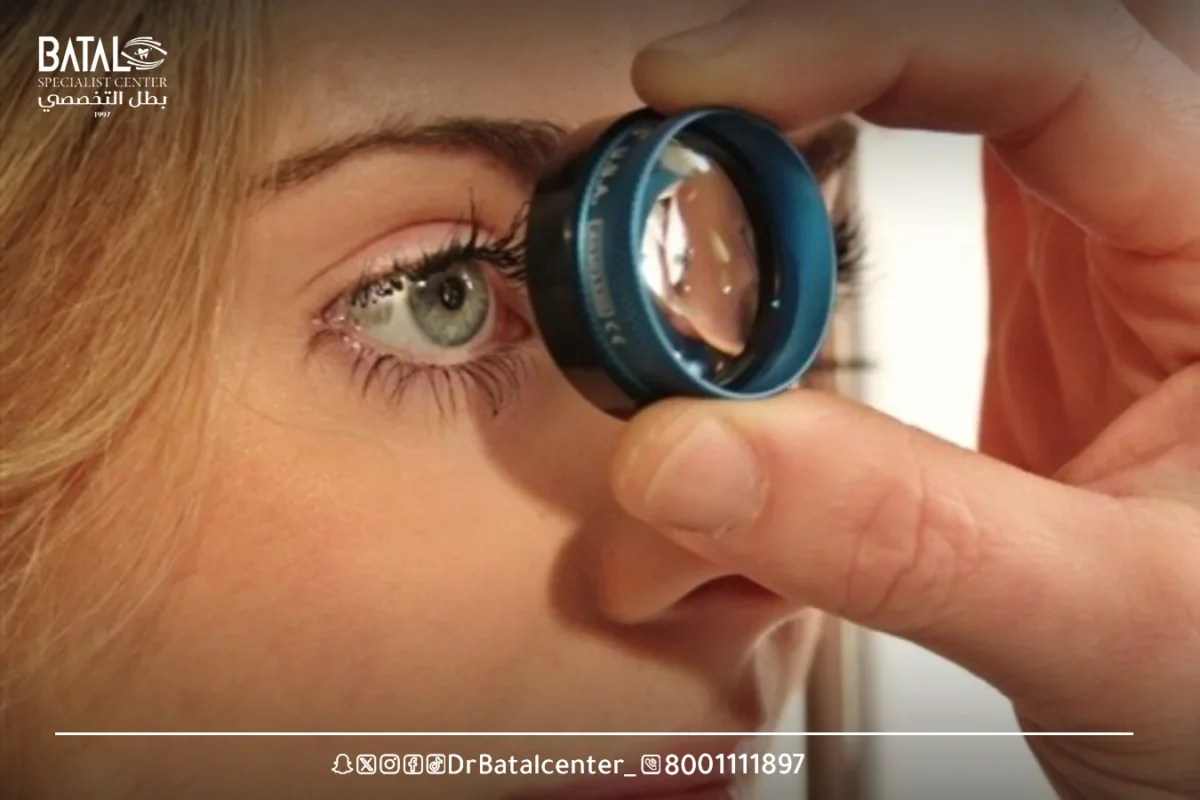
Diagnosing vision impairment involves performing several tests to determine the nature of the disorder. This may include visual acuity testing, eye examination using specialized instruments such as slit-lamp biomicroscopy, and tests for peripheral vision and contrast sensitivity. These assessments help identify the underlying cause and guide the appropriate treatment plan.
Tips for Living With Vision Impairment
To improve quality of life while living with vision impairment, the following strategies can be helpful:
How to Prevent Vision Impairment
There is no absolute way to prevent all forms of vision impairment, but you can protect your eyes by:
Vision Rehabilitation
Vision rehabilitation can help people with low vision regain independence and improve their quality of life. An optometrist or low-vision specialist can provide rehabilitation services to help patients learn new techniques to carry out everyday activities.

'/%3E%3C/svg%3E)