Med info
Corneal Abrasion | Causes, Symptoms, and Treatment

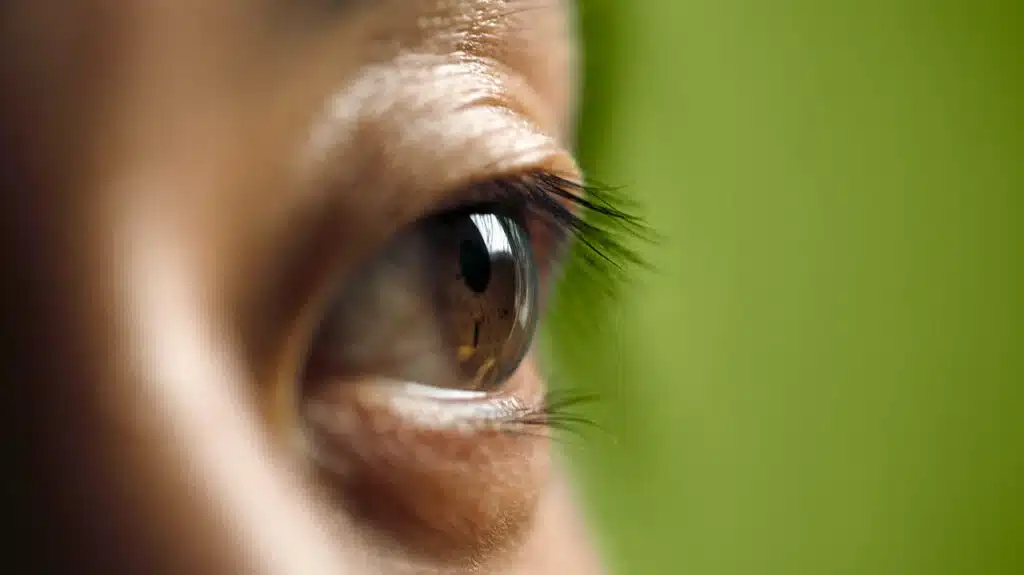
A corneal abrasion is an injury to a part of the eye called the cornea. The cornea is the clear, transparent tissue that covers the front of the eye and works together with the eye’s lens to focus images onto the retina.
Causes of Corneal Abrasion
Corneal injuries are common, and there are many possible causes of a corneal abrasion. Damage to the outer surface of the cornea may result from:
Read also: Symptoms of Keratitis and Information About Corneal Infections
You are at higher risk of developing a corneal abrasion if you:
Read also: Corneal Transplant Surgery and Everything You Need to Know About This Procedure
Symptoms of a Corneal Abrasion
Read also: Keratoconus Treatment 2023 | Corneal Treatment at Batal Eye Clinic
What Causes a Cloudy Cornea?
Corneal edema (swelling) refers to fluid build‑up within the middle layer of the cornea, which makes it appear cloudy. When damaged endothelial cells (the inner corneal cell layer) can no longer pump excess fluid out of the cornea, this trapped fluid causes the cornea to swell.
Corneal swelling may cause patients to see halos around lights, feel eye pain, and have a sensation that something is stuck in the eye. Corneal edema can be caused by injury or infection.
Other causes include postoperative swelling after certain eye surgeries, or diseases that damage the endothelial cells, such as Fuchs’ dystrophy, glaucoma, ocular herpes (herpes of the eye), or Chandler’s syndrome.
If corneal edema is left untreated, it can lead to hazy, blurred vision. This is a serious concern because, unlike the cells in the outer corneal layer (the epithelium), endothelial cells in the inner cornea do not regenerate or heal once they are damaged.
The treatment of a swollen cornea depends on the underlying cause. In general, corneal edema can be managed if it is detected and treated in the early stages. However, because of the delicate nature of corneal edema, it is essential to contact a corneal specialist promptly to ensure accurate diagnosis and appropriate treatment. If the cornea becomes severely damaged, a corneal transplant may be required.
Read also: How Does a Patient With Keratoconus See? | What Living With Keratoconus Looks Like
Treatment of Corneal Abrasion
How a corneal abrasion is treated and how long it takes to heal depend on the cause and severity of the injury. In cases involving a foreign body lodged in the eye or chemical exposure, emergency medical care must be sought immediately to avoid delays in treatment or further damage.
If chemicals splash into the eye, rinse the eye immediately with water for 15 minutes, then transport the person as quickly as possible to the nearest emergency department. Anyone experiencing severe eye pain should be evaluated immediately in the emergency room or by an ophthalmologist.
A corneal examination will be performed to assess the severity of the condition. Additional tests may be done, such as a fluorescein eye stain, in which a special dye is placed on the corneal surface to highlight any defects or scratches. Based on the findings, treatment for corneal injuries may include:
Read also: ReLEx SMILE (Femto‑SMILE) | Treatment of Different Degrees of Refractive Errors | Advanced Laser Techniques

Whatever eye problem or defect you may have, this delicate medical condition requires a thorough examination and appropriate treatment by a skilled, experienced ophthalmologist using effective medical tools that provide real benefit. Whatever eye disease you are dealing with, you can book an appointment at Batal Specialty Center for a comprehensive eye examination and to begin managing your condition, no matter how complex. The medical team at Batal Specialty Center is fully prepared for accurate diagnosis and effective treatment.
Read also: Vision Correction Offers at Batal Specialty Center

'/%3E%3C/svg%3E)